Getting Around in Costa Rica: The Real Deal on Roads, Rides, and Relocation
Introduction
Thinking about buying a property in Costa Rica? Whether it’s a beachside bungalow, a jungle hideaway, or a sleek condo in a lively town, the idea sounds like paradise, right? But here’s a question many future buyers forget to ask: how will you get around once you’re here?
Because, in Costa Rica, transportation isn’t just a background detail — it’s a major part of your everyday life. This is not a country where you measure travel in kilometers or miles. Nope. You measure it in hours. And not because the country is huge (it’s not), but because the roads, weather, terrain, and traffic patterns all have their quirks.
Picture this: a 40-kilometer drive might take you an hour and a half, or even longer during rainy season or weekend traffic. Sounds like a stretch? It’s very real. Add to that winding mountain roads, potholes the size of bathtubs, and inconsistent signage, and you’ve got yourself an adventure.
Now, public transportation does exist — mostly buses — and apps like Uber are available in some areas. But don’t count on them working the same way they do back home. Where you choose to live or invest will directly impact what kind of transportation options you’ll need — and how easy (or difficult) it will be to move around.
In this guide, we’re going to unpack the real transportation situation in Costa Rica. The good, the bad, and the surprisingly charming parts. Whether you’re planning to live here full-time or just visit your investment now and then, this is the practical info you need to plan smart, avoid common headaches, and feel confident in your decision.
The Roads in Costa Rica: Beautiful… But Not Always Easy
Let’s not sugarcoat it — the roads in Costa Rica are unpredictable. If you’re used to highways in the U.S. or Europe, driving here will feel like a totally different experience. In the Central Valley — cities like San José, Heredia, Alajuela, and Cartago — the main roads are in decent condition, and you’ll even find a few well-maintained highways.
But the moment you step outside urban areas, it’s another story. You’ll encounter narrow roads, dirt tracks, unpaved paths, steep hills, sharp turns, and potholes that could swallow your tire. Some roads have no shoulder, barely any signs, and very little lighting at night. It’s a test of your driving patience — and your vehicle’s suspension.
Now add Costa Rica’s rainy season into the mix (typically May to November). Roads can flood, bridges wash out, and landslides are a frequent concern in mountainous regions. Some communities even become inaccessible after a heavy storm. This is not just a weather inconvenience — it can completely cut you off from services, groceries, and medical help.
And here’s something you’ll hear a lot from locals: “It’s not far, but it takes a while.” People don’t say “it’s 20 kilometers away.” They say “it’s about 2 hours.” Why? Because driving time here isn’t about distance — it’s about road conditions, traffic, and nature.
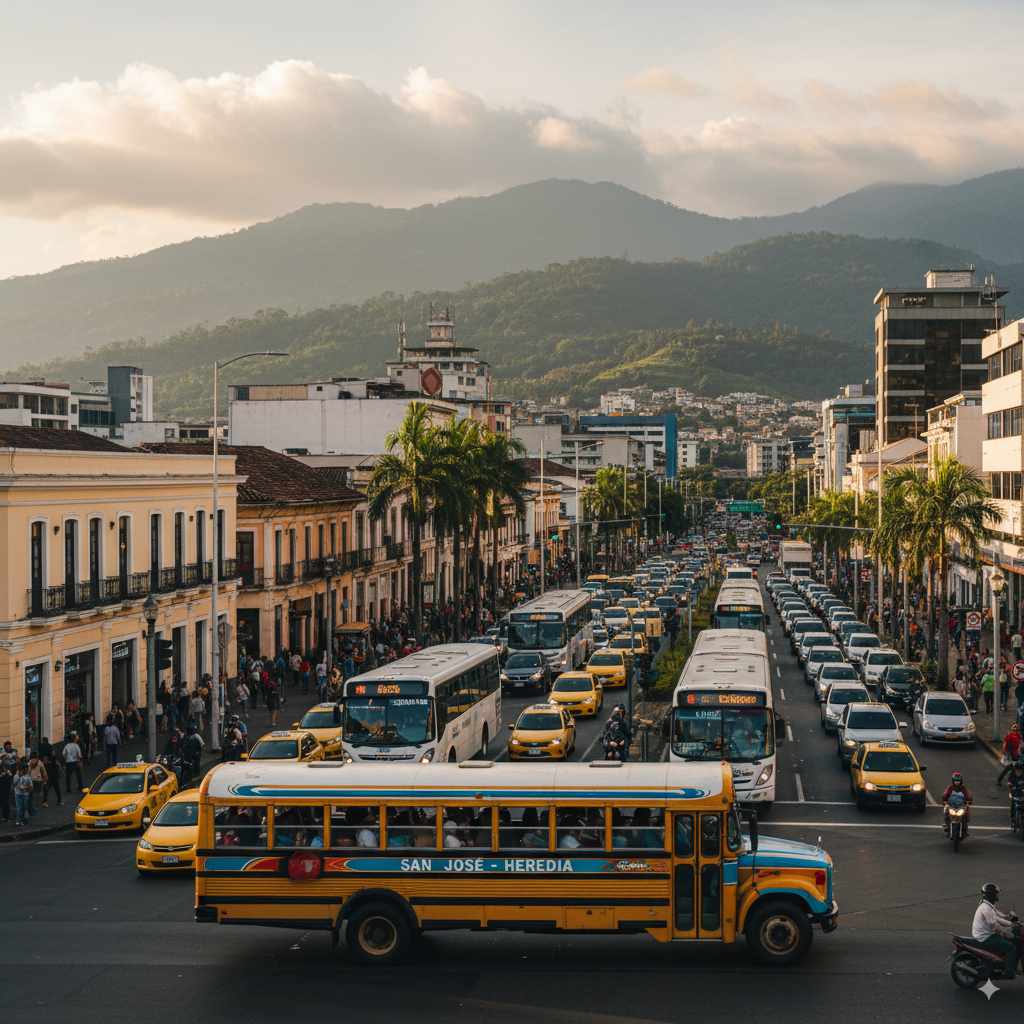
Speaking of traffic, if you’re planning on living in or near San José, be prepared. Morning and evening rush hours can turn a 10-minute trip into 45 minutes. Add in the occasional protest or roadblock (not uncommon), and you’ll want to keep your schedule flexible.
If you’re considering buying property outside city centers — especially in rural, mountainous, or beach areas — a 4×4 vehicle isn’t a luxury, it’s a necessity. It gives you the freedom to explore, the ability to handle rough terrain, and peace of mind during the rainy season.
Bottom line: Costa Rica’s roads are part of its charm — but also one of its biggest challenges. If you embrace that and plan accordingly, your experience will be smoother, safer, and a lot more enjoyable.
Public Transportation in Costa Rica: Affordable, Functional, but Not Always Practical
Can you live in Costa Rica without owning a car? Technically, yes. But it really depends on where you live and what your daily needs are.
Public transportation in Costa Rica is mainly made up of buses. And the good news? They’re cheap. You can get across town for less than a dollar, or travel cross-country for under $10. The bus system is heavily used by locals, and in the Central Valley — especially around San José — the coverage is pretty solid.
However, reliability and comfort vary widely. In major cities, buses run frequently, and you can get around relatively easily. But in more rural or coastal areas, schedules can be erratic, buses are less frequent, and routes may not cover all the places you need to go. Some bus stops aren’t clearly marked, and online info is patchy at best. Most of the time, you’ll need to ask locals for guidance.
If you don’t speak Spanish, that could be tricky. Many bus drivers don’t speak English, and there’s no universal app where you can plan your route like in other countries. You might find yourself relying on Facebook groups, Google Maps (when it’s accurate), or good old-fashioned word of mouth.
Some buses are modern and air-conditioned. Others… not so much. Expect older vehicles, crowded spaces, no AC, and standing room only during peak times. And depending on your destination, the trip can take a while — again, not because of distance, but road conditions and multiple stops.
There is a train system, but it’s limited to parts of the Central Valley and isn’t useful for most day-to-day travel. So don’t count on it being part of your transportation plan.
For property buyers, especially those looking to rent to locals, proximity to a bus stop can be a selling point. But if you’re renting to tourists or planning to live in the home yourself, public transport likely won’t meet all your needs.
In short: public transportation in Costa Rica is a useful tool — but not a complete solution. It works well for some, but for many buyers, a personal vehicle becomes essential.
Uber, Taxis, and Apps: Great in Cities, Limited Elsewhere
Let’s talk about ridesharing and taxis — because depending on where you’re buying property in Costa Rica, these services could be a lifeline… or virtually non-existent.
First, Uber is available in Costa Rica — mostly in and around San José, Heredia, Alajuela, Liberia, and a few popular tourist towns like Tamarindo, Jacó, and Manuel Antonio. The service is easy to use, the prices are usually cheaper than taxis, and you pay through the app, which helps avoid awkward cash situations or language barriers.
However, Uber isn’t fully legal in Costa Rica. It operates in a kind of legal gray area. Drivers are plentiful, and users love it, but some taxi unions still oppose it, and this has led to tensions in certain areas — especially near taxi stands or the airport.
That means sometimes, your Uber driver might cancel if they feel uncomfortable picking you up in a busy area. In rural zones or smaller towns, Uber might not be available at all, or there could be very few drivers, resulting in long wait times or zero availability.
There are also other ride-hailing apps like DiDi and inDriver. DiDi functions similarly to Uber and is growing in popularity. InDriver allows you to negotiate your fare directly with the driver — a unique feature, but not ideal if you don’t speak Spanish or want a hassle-free ride.
As for traditional taxis, the red ones are official and should use a meter (called “la maría”). But let’s be honest — many drivers won’t use it, especially if you’re a foreigner. You’ll often be quoted a flat rate, which may or may not be fair. It’s okay to negotiate or ask for a price before you get in.
In remote areas, taxis are rare and expensive. You might even have to pay extra just for the driver to come get you, especially at night or during bad weather.
If you’re buying property far from urban centers, don’t assume rideshare apps or taxis will be there to help you. That’s why working with local experts like Crespo Agency is a smart move — they understand the real on-the-ground transportation options and can advise accordingly.
In short: Uber and taxis are great — where they exist. But beyond the city? Don’t count on them.
Renting vs. Buying a Car: Which Makes Sense for You?
If there’s one topic that every future Costa Rica property owner needs to think about, it’s this: Should I rent a car or buy one?
Let’s start with renting. It’s a good option if you’re only visiting for a few weeks or just checking on your investment periodically. There are tons of rental agencies — both international brands and local companies — especially near airports like San José and Liberia, as well as in major tourist towns.
Daily rental prices vary between $30 to $80 depending on the vehicle and time of year. But here’s the catch: the price you see online often doesn’t include the mandatory insurance. That insurance can double your total cost if you’re not careful. Always read the fine print.
If you’re planning to stay longer or make frequent visits, buying a car might be the smarter move. Foreigners can own cars in Costa Rica — even if you don’t have residency. You’ll just need to handle the paperwork and probably work with a local attorney to ensure proper registration and ownership.
Used cars in Costa Rica are expensive compared to other countries. Why? High import taxes. A 10-year-old SUV might cost you the same as a newer model back home. But there’s a big market for used vehicles, and it’s easy to find reliable 4x4s — which, let’s be honest, you’re going to need.
Maintenance isn’t too pricey, and local mechanics are generally affordable. Gasoline prices are regulated and relatively stable — not cheap, but manageable.
If you’re investing in a vacation rental property, consider offering a car rental as part of your package. Many tourists don’t want to deal with local agencies or worry about scams. A car at the property can make your listing stand out and add value.
So, what’s the final answer? If you live in the city and don’t travel much — maybe renting is fine. But if you’re investing in the beach, jungle, or mountains — owning a reliable 4×4 is your best bet.
What It All Means for Your Property Investment
Now that we’ve broken down Costa Rica’s transportation scene, let’s get real about what this means for your property purchase.
First, ask yourself: Are you planning to live here full-time, or just visit occasionally? If you’ll be a full-time resident, you need to think beyond the view or the vibe. You need to ensure the location has year-round access, good roads (especially during rainy season), and isn’t too far from essentials like groceries, medical clinics, schools, and banks.
If you’re investing to rent the property out, then your target audience matters. Are you renting to locals or tourists? Locals may rely on public transport, so bus stops nearby could be a huge plus. But if you’re aiming at vacation rentals, renters will expect convenience. A remote house with tricky access may look stunning in photos, but could turn guests away if they can’t get there comfortably.
Also, think about daily life. A house 10 minutes from town on paper may actually take 30–45 minutes on bad roads. That’s fine for a holiday stay, but exhausting if it’s your commute every day.
That’s why popular areas like Nosara, Tamarindo, Santa Teresa, and Dominical remain high on buyer lists. They balance beauty with accessibility, decent road conditions, and enough infrastructure to live or vacation comfortably.
And this is where local knowledge makes a huge difference. Crespo Agency, for example, works with buyers to evaluate not just the property but the surrounding infrastructure and accessibility. You’ll get real-world advice from people who live here and know what works.
So don’t fall for a dreamy listing without asking the tough transportation questions. How long does it really take to get there? What’s the road like in the rain? Are there taxis or Uber? Is the nearest hospital an hour away?
Transport is not a side note — it’s a critical factor in choosing the right place to live or invest. Get that right, and you’ll set yourself up for success.
Conclusion
Buying property in Costa Rica can absolutely be a dream come true. But dreams are smoother when grounded in reality — and in this country, transportation plays a huge role in daily comfort, safety, and long-term satisfaction.
Unpredictable roads, limited public transit, spotty rideshare coverage — these are facts, not dealbreakers. But only if you understand them, plan ahead, and choose your property with your eyes wide open.
Once you do that, you’ll enjoy everything Costa Rica has to offer: jaw-dropping nature, welcoming people, incredible outdoor life, and that laid-back “pura vida” vibe everyone falls in love with.
So take your time. Ask the right questions. Test the route to your dream house at different times of the day. And most of all, make sure your future lifestyle — or your rental guests’ — won’t be hindered by unexpected transportation headaches.
This is how you turn a good real estate decision into a great one. The view might sell the house, but accessibility and convenience are what make it livable. Plan smart, drive safely, and welcome to your new life in Costa Rica.



Join The Discussion