Introduction
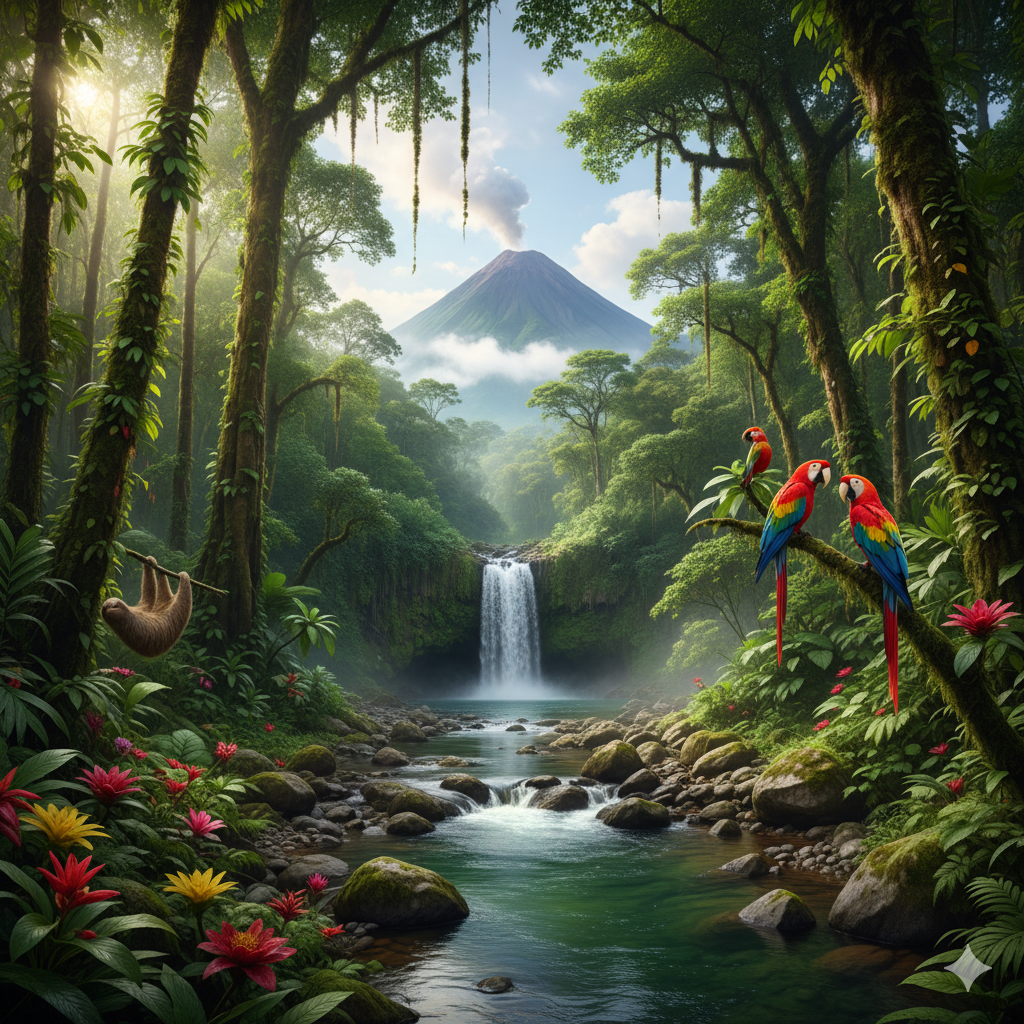
Costa Rica is captivating. With its pristine beaches, lush jungles, and extraordinary biodiversity, this small Central American country feels like a tropical dream come true. For many foreigners, what begins as a vacation quickly transforms into a life plan: moving to Costa Rica, buying a home surrounded by nature, or living near a national park. But that dream can sometimes clash with a more complex reality — the reality of protected areas.
Costa Rica is one of the world’s leaders in environmental conservation. Approximately 25% of its territory is classified as protected land: national parks, biological reserves, wetlands, mangroves, and primary forests. This is a national point of pride, but also a major challenge for prospective foreign buyers hoping to build or live in the middle of nature.
So, is buying or living in a protected area in Costa Rica really a good idea? What are the legal, financial, environmental, or practical risks? Can you build or renovate without problems? Will you live in harmony with nature — or constantly navigating red tape and restrictions?
This article unpacks everything you need to know before settling in a protected area in Costa Rica. You’ll learn about the legal framework, common pitfalls, administrative processes, and viable alternatives. In short, we’ll walk you through all the critical points to help you make an informed decision — and keep your dream from becoming a nightmare.
Whether you’re planning your retirement in paradise or considering a real estate investment near the rainforest, understanding what it means to live in a protected area is essential. Because here in Costa Rica, protecting nature is serious business — and it directly affects how and where you can live.
What Exactly Is a Protected Area in Costa Rica?
Before discussing risks, it’s crucial to understand what a “protected area” actually is in Costa Rica. These areas are governed by strict environmental laws aimed at preserving the country’s extraordinary ecosystems. A protected area can include tropical rainforests, wetlands with endangered species, sea turtle nesting beaches, or forest-covered hills with high biodiversity.
The Ministry of Environment and Energy (MINAE) oversees these zones, which are divided into several categories based on their level of protection:
National Parks: The strictest category. No permanent human activity or construction allowed.
Biological Reserves: Similar to national parks but focused more on scientific research.
Forest Protection Zones: Some limited human activity is allowed, but with heavy restrictions.
Wetlands and Mangroves: Extremely sensitive areas requiring careful regulation.
Private Reforestation or Conservation Areas: Often managed by NGOs or landowners under government supervision.
The key takeaway? Almost any human activity may require permits or be outright prohibited in these areas. Renovating a house, building a path, drilling a well, or even installing a fence can become an administrative maze. Often, a property’s legal status isn’t immediately clear from its listing. You’ll need to verify it using official registries, GIS (Geographic Information System) maps, and sometimes legal or environmental consultations.
Looks can be deceiving: just because a piece of land “seems” buildable doesn’t mean it’s legally allowed. Many foreign buyers have learned this the hard way. Living in a protected area is like living in a sanctuary — you’re allowed, but under constant watch. And if you step out of line, even by accident, the consequences can be serious.
Understanding the classification of your potential property and the related restrictions is not optional — it’s the very foundation of a secure investment in Costa Rica.
Legal and Administrative Risks
Building your dream home in the heart of the jungle might sound magical. But legal risk is perhaps the biggest hidden threat when buying property in a protected area in Costa Rica. This country does not joke around when it comes to the environment. The MINAE, along with the Environmental Administrative Tribunal (TAA), can — and has — ordered the demolition of illegal constructions, even if they are completed and inhabited.
A common mistake: thinking that a municipal building permit is enough. It’s not. If your property is in or near a protected area, you’ll need a stack of additional approvals: environmental impact studies, authorization from SINAC (National System of Conservation Areas), possibly clearance from INVU (National Housing and Urban Planning Institute), and more. Missing one of these steps can derail your entire project.
And then there are buffer zones. These aren’t officially protected but border parks or reserves and may be subject to the same kinds of restrictions — especially if your project affects a biological corridor or water source. Laws and regulations in Costa Rica also change frequently, so what’s allowed today might be restricted tomorrow.
Legal conflicts are also a real risk. Many foreigners have found themselves in lengthy, expensive lawsuits after unknowingly building on protected land. Even with a good lawyer, outcomes are uncertain. You might be fined, forced to demolish your home, and be held responsible for ecological restoration — at your own cost.
So here’s the deal: failing to verify the legal status of your land is like playing Russian roulette with your investment. The best course of action? Hire a local lawyer with expertise in environmental and land-use law right from the beginning. It might feel like an extra step, but it’s the only way to ensure that your dream home doesn’t become a legal nightmare.
How It Impacts Daily Life and Quality of Living
Let’s say everything is in order — your permits are approved, and you’re legally allowed to live in a protected area. But how is life really, day to day? Is it as idyllic as it sounds? Spoiler alert: living in the wild can be amazing… but it’s not always easy.
Let’s talk accessibility first. Many protected areas are in remote regions. Roads are often unpaved, sometimes completely washed out during rainy season, or simply nonexistent. That means no food delivery, limited taxi service, and long drives to the nearest school or hospital. If you’re not into 4×4 driving and occasional isolation, think twice.
Next up: wildlife neighbors. It’s magical to see howler monkeys in the trees — until they wake you up at 4 a.m. And between snakes, scorpions, venomous frogs, and leaf-cutter ants that devour your garden overnight, you’ll be sharing your life with the jungle. Some people love it. Others… not so much.
Then there are basic services. Fast internet, reliable electricity, potable water? In protected areas, those aren’t always guaranteed. Internet can be slow, blackouts frequent, and infrastructure development often restricted. Even setting up a septic system can require permits and environmental approval.
And perhaps most frustrating of all, you’ll live under constant oversight. Want to trim or remove a dead tree? You might need permission. Planning to expand your patio? You’ll likely need a formal consultation. The lack of flexibility can be discouraging.
That’s why partnering with experts from the beginning is key. Agencies like Crespo Agency, which understand the legal and environmental intricacies of these areas, offer invaluable guidance. They don’t just sell you a home — they prepare you for an entire lifestyle shift.
So yes, living in a protected area is a one-of-a-kind experience. But it requires patience, adaptability, and a deep respect for nature — and the law.
Long-Term Financial Consequences
One major reason people consider buying in protected areas is the price. A plot of land with ocean or jungle views, for half the cost? Tempting, right? But hidden behind the bargain might be some costly long-term consequences.
First, let’s talk resale value. A property located in a protected zone may be extremely difficult to resell — especially if restrictions prevent expansion, renovation, or business use. Many banks won’t finance these types of properties, or will offer poor loan conditions. That reduces your buyer pool and your negotiation power.
Then there’s maintenance costs. Living in a hot, humid, and isolated natural environment is tough on buildings. Expect termites, mold, corrosion, invasive plants, and more. You’ll need a higher maintenance budget than in a typical urban setting. And because certain chemicals are banned, your options for treatment are limited.
Don’t forget the legal and administrative expenses. We’ve already covered how complicated the permitting process can be — and that complexity usually comes with a cost. Environmental impact studies, consultants, lawyers… they all add up. And if you ever end up in a legal dispute, attorney fees can skyrocket.
And finally, the risk of financial penalties. If you unintentionally break the law — for example, by cutting a protected tree or building without the proper permits — you could face fines of several thousand, or even tens of thousands, of dollars. In some cases, authorities may force you to demolish and restore the site at your own expense.
Bottom line? A poorly planned investment in a protected area can become a financial black hole. That doesn’t mean it’s always a bad idea — but it means you must approach it with your eyes wide open, and with professional support every step of the way.
Safer Alternatives for Living Close to Nature
Now for the good news: you absolutely can live close to nature in Costa Rica without putting your investment or peace of mind at risk. Here are a few safer and smarter alternatives to consider.
First, explore eco-communities or sustainable residential projects. These private developments are located near natural reserves, but the land is legally zoned and titled for residential use. Often, they come with shared infrastructure, access to water, internet, and sometimes permaculture gardens or community-run conservation efforts. You get the jungle vibe — without the legal headaches.
Next, look into non-designated rural areas. There are still many regions in Costa Rica — such as parts of Guanacaste, around San Isidro, or in the Turrialba Valley — where the landscape is lush, but the land isn’t legally protected. These areas offer more flexibility, better infrastructure, and often lower construction costs.
Another smart option: buy land that includes both buildable and protected zones. Some properties legally allow construction on a portion of the land, while preserving the rest. That way, you get the best of both worlds — proximity to nature, but within the law.
And of course, if your heart is still set on buying in or near a protected area, make sure you start with proper legal and environmental support. Work with an agency that knows the territory — literally. Study zoning plans, consult with environmental lawyers, and ask every possible question before you sign anything.
Costa Rica’s nature is one of its biggest treasures — and it’s entirely possible to enjoy it without damaging it, or putting yourself at legal or financial risk. The secret is to find that sweet spot between vision and responsibility.
Conclusion
Living in a protected area in Costa Rica is a bold choice, often driven by a deep love for nature and a desire for a different pace of life. But this dream can only come true if it’s approached with knowledge, responsibility, and careful planning.
Protected areas are not designed for easy real estate development. They’re meant to safeguard one of the world’s richest ecosystems. That’s why understanding the legal, financial, and practical implications of buying or building in these zones is absolutely essential.
Fortunately, with the right guidance and reliable information, you can live near Costa Rica’s beautiful wild spaces without endangering your investment — or violating the law. There are many alternative paths: sustainable communities, rural plots, or hybrid properties that allow construction and conservation to coexist.
If Costa Rica’s nature is calling you, answer wisely. Protect your future as well as the environment you admire.
Because yes — you can live in paradise here. As long as you do it respectfully, responsibly, and with the right team behind you.


Join The Discussion