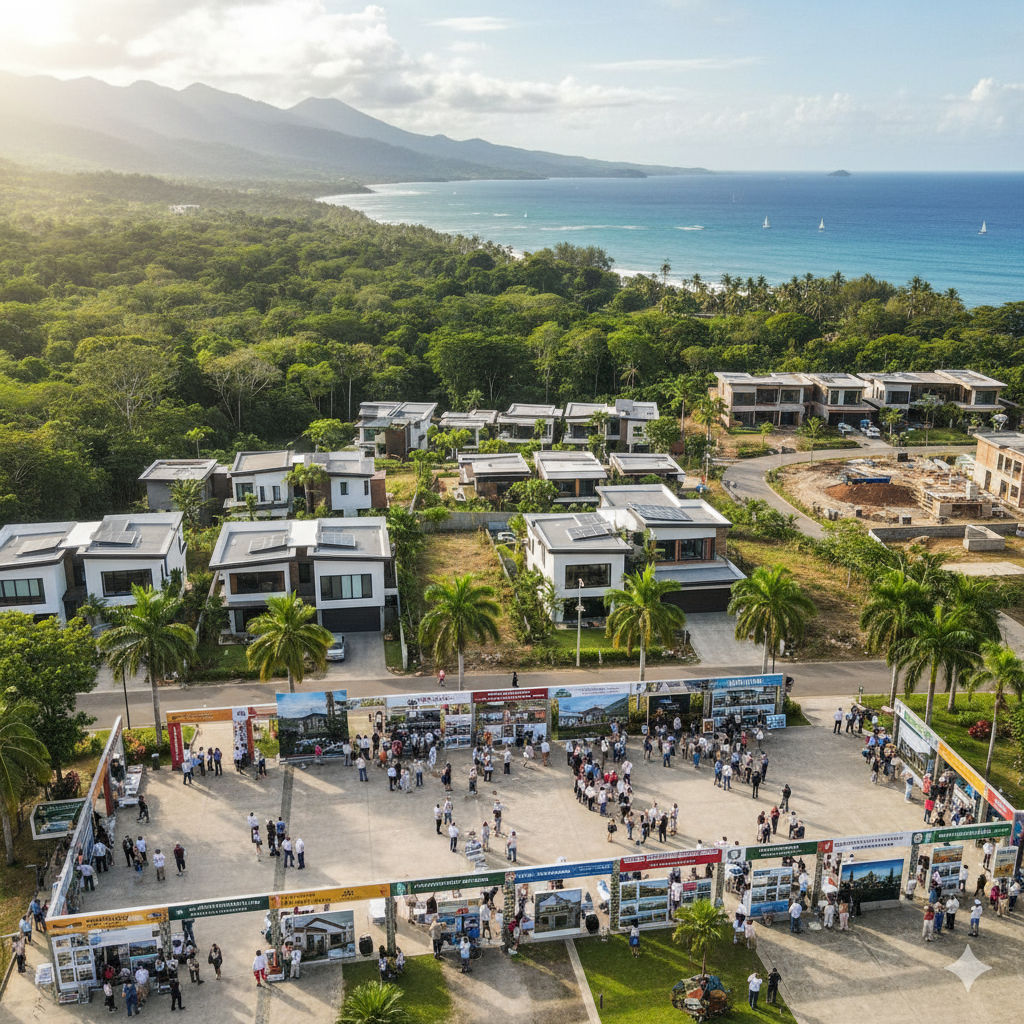
Real Estate Prices in Costa Rica: A Decade of Change
Introduction (Exactly 300 words)
Thinking of buying property in Costa Rica? Drawn by the natural beauty, year-round warm weather, and relaxed lifestyle? Great choice. But like any serious investment, it’s essential to understand how property prices have evolved over the past decade before taking the plunge.
Costa Rica’s real estate market has gone through major transformations in the last 10 years. With a surge in foreign buyers, the impact of the pandemic, the boom in coastal and tourist areas, and recent price corrections, the landscape has changed dramatically. Some properties have doubled or even tripled in value, while others have remained stable.
So, is now a good time to buy? Will prices keep rising? Are there bubbles forming in certain regions? And more importantly, which areas still offer good value and smart investment potential?
This article takes you on a deep dive into the Costa Rican real estate market from 2015 to 2025. We’ll unpack national trends, regional differences, market drivers, and most importantly, share real, actionable advice so you can make a smart, confident purchase.
Whether you’re dreaming of a beach house, a jungle hideaway, or a city condo with rental income, this guide is for you. Sit back and relax — we’re about to walk you through everything you need to know before buying in Costa Rica.
A Market on the Rise, but Moving at Two Speeds
Looking at the last 10 years, one thing is clear: real estate prices in Costa Rica have gone up. But that growth hasn’t been the same everywhere. It’s a two-speed market — some areas have skyrocketed, others have remained steady.
Take the Pacific Coast, for example. Between 2015 and 2023, places like Tamarindo or Nosara saw property values triple in some cases. Why? Because they became hotspots for expats, digital nomads, and investors looking for short-term rental income through platforms like Airbnb.
Meanwhile, the capital city, San José, and surrounding areas have grown more modestly, at around 5–8% annually. That might seem slow in comparison, but it signals a more stable and less volatile market — something investors should appreciate.
Now, factor in the pandemic. Starting in 2020, the global shift toward remote work and lifestyle changes brought thousands of new buyers to Costa Rica. Demand surged. Prices climbed fast — maybe too fast in some regions. By 2024, we began seeing price corrections, especially in high-end coastal markets, with drops of 20–30% in some areas.
But let’s be clear — this isn’t a crash. It’s more of a healthy adjustment after an overheated period. And for savvy buyers, it’s an opportunity to step in at more reasonable prices.
So yes, prices have gone up, but not uniformly. What really matters is what and where you buy. A remote plot in the mountains won’t follow the same trend as a beachfront condo or a suburban home near the capital.
Understanding these dynamics is key. And if you’re buying with long-term goals, there are still plenty of opportunities — as long as you do your homework.
High-Growth Zones: Pacific Coast, The South, and Hidden Gems
If you’re dreaming of a tropical paradise, Costa Rica won’t disappoint. But be aware: the most beautiful and popular regions have also seen the fastest price increases.
Let’s start with Guanacaste, in the northwestern Pacific. This region has become the face of Costa Rica’s real estate boom. Between 2020 and 2023, prices in places like Playa Flamingo, Tamarindo, and Las Catalinas doubled or even tripled. A lot in 2018 that sold for $100,000 could easily fetch over $300,000 by 2023.
Then there’s the Southern Pacific Zone, with towns like Dominical, Uvita, and Ojochal. These areas combine stunning ocean views, lush rainforests, and expat-friendly communities. A luxury villa here that cost $500,000 in 2020 might now be worth over $1 million.
And don’t forget the emerging areas — places like Santa Teresa, Montezuma, or even Caribbean gems like Puerto Viejo. Prices in these spots are still relatively lower, but they’re rising fast.
What do all these regions have in common? Strong foreign demand, limited supply, and exceptional lifestyle appeal. That’s the perfect recipe for rising prices — and also potential overvaluation.
So what’s the smart move? If you’re looking at buying in one of these hotspots, don’t rush. Get a professional market analysis, ask for comparable sales (called “comps”), and work with a local expert who knows the true market value — not just what the seller hopes to get.
Buying in a popular area isn’t a bad idea, but timing and negotiation matter. There’s great potential here, but only if you buy smart.
Smart Buying: Market Cycles, Bubbles, and the Value of Local Experts
Let’s be honest — buying property in a tropical paradise is exciting. But it’s also easy to make mistakes if you’re not careful. That’s why it’s critical to understand how real estate cycles work in Costa Rica.
Like any market, real estate moves in cycles: growth, peak, correction, stabilization. What we saw between 2020 and 2023 was clearly a peak phase — prices spiked, demand was off the charts, and sellers were setting high asking prices just because they could.
By 2024, things started to cool down. In places like Nosara and Santa Teresa, some properties are now selling for 15–25% less than they were a year earlier. This isn’t a crash — it’s a market correction. And if you’ve been waiting to buy, now could be your moment.
So how do you buy smart?
Ask for recent comps: What have similar homes in the same area actually sold for?
Check liquidity: Is this a place where homes sell quickly — or sit on the market?
Consider future growth: Are new roads, airports, or infrastructure coming to the area?
Most importantly: don’t go it alone.
At Crespo Agency, we guide buyers through the process from start to finish. We know the market. We know the sellers. We negotiate hard on your behalf. We help you avoid overpaying.
One client was eyeing a villa near Playa Hermosa listed at $950,000. After a full market review, we found comps closer to $780,000. With solid data and negotiation, that’s what they paid — saving over $170,000.
Bottom line? There are amazing deals in Costa Rica — but only if you buy with strategy, not emotion. And with the right team on your side, you can make a great move with confidence.
What About the Cities? San José, Escazú, Heredia…
Not everyone wants to live on the beach. For many, proximity to schools, hospitals, shopping, and daily services matters more than ocean views. That’s where Costa Rica’s urban real estate market becomes a very smart option.
Let’s talk about San José, the country’s capital. Over the past decade, property values here have steadily increased by 5–8% per year. Not flashy, but predictable. And that’s a good thing for many buyers.
Then you’ve got areas like Escazú and Santa Ana — modern, upscale suburbs just outside the capital. These are favorites among expats, thanks to their safety, international schools, and convenient location. A nice home here might cost $300,000 to $600,000, depending on size and location.
Heredia, another city north of San José, is also gaining traction. It’s greener, quieter, and offers more affordable options. Many Costa Rican families and professionals are moving there to escape San José’s traffic while staying close to work.
What’s the appeal of urban property?
More stability: Less volatility compared to tourist-heavy coastal areas.
Strong rental demand: Especially among professionals and digital nomads.
Good resale potential: Particularly in gated communities and newer developments.
A furnished apartment in a desirable area can generate 6–8% gross annual rental income, sometimes more with smart management.
If you’re planning to live in Costa Rica year-round — or want a safe, stable investment — urban properties are worth a serious look. They might not have ocean views, but they come with reliable infrastructure, access to services, and a more predictable resale market.
And here’s a tip: look for condos in gated communities with 24/7 security, gyms, pools, and maintenance included. These are very popular with locals and foreigners alike and resell quickly when the time comes.
Looking Ahead: What to Expect from 2025–2030
So, what’s next? Is 2025 the right year to buy? What will happen in the next five years?
Based on current trends, here’s what we expect in the Costa Rican real estate market from 2025 to 2030.
1. Moderate and Healthy Growth
After the rapid rise and slight correction of 2024, the market is likely to enter a more balanced phase. Expect annual growth of 5–10% in most regions — steady, not speculative.
2. Emerging “New Hotspots”
As prices soar in the big-name coastal towns, buyers are starting to explore lesser-known areas. Places like Sámara, Cartago, or the Caribbean coast offer lower prices and growing potential — especially as infrastructure improves.
3. More Professional Rentals
The short-term rental market is maturing. Tourists and digital nomads are looking for well-managed properties with great amenities. If you invest in a quality home and manage it properly, you can expect consistent rental returns.
4. Strong Retiree Demand
Costa Rica continues to attract retirees from the U.S., Canada, and Europe. This demographic is stable, values comfort and safety, and tends to stay long-term. That’s great news if you’re buying in areas they love.
5. Infrastructure Expansions
New highways, better internet, regional airports — all these will open up new regions to development and raise values in previously overlooked areas.
So, yes — 2025 is a good time to buy, if you choose wisely. Focus on fundamentals: location, quality, legal clarity, rental potential. Don’t chase hype. And definitely don’t go in blind.
With expert guidance (shameless plug: like the team at Crespo Agency), you can identify undervalued opportunities and invest smart — not just for today, but for the long haul.
Conclusion
Over the last 10 years, Costa Rica’s real estate market has gone through dramatic changes. Coastal areas like Guanacaste, Uvita, and Santa Teresa became global hotspots, with prices skyrocketing. Meanwhile, cities like San José and Heredia offered slower but more stable growth.
Now, after a healthy correction in 2024, the market is finding its footing again. And for well-informed buyers, 2025 presents a great opportunity to enter the market at realistic prices.
Whether you’re seeking a vacation home, a rental property, a place to retire, or a lifestyle change — Costa Rica has options for you. But remember: strategy matters. Don’t fall for hype or tourist traps. Do your research. Get expert advice. And think long-term.
At Crespo Agency, we’re here to guide you every step of the way — from the first call to the final closing. We know the market, the neighborhoods, the negotiation tactics, and most importantly, how to protect your investment.
Buying property in Costa Rica isn’t just a transaction — it’s the start of a new chapter. And if you make the right move now, that chapter can be everything you imagined… and more.


Join The Discussion