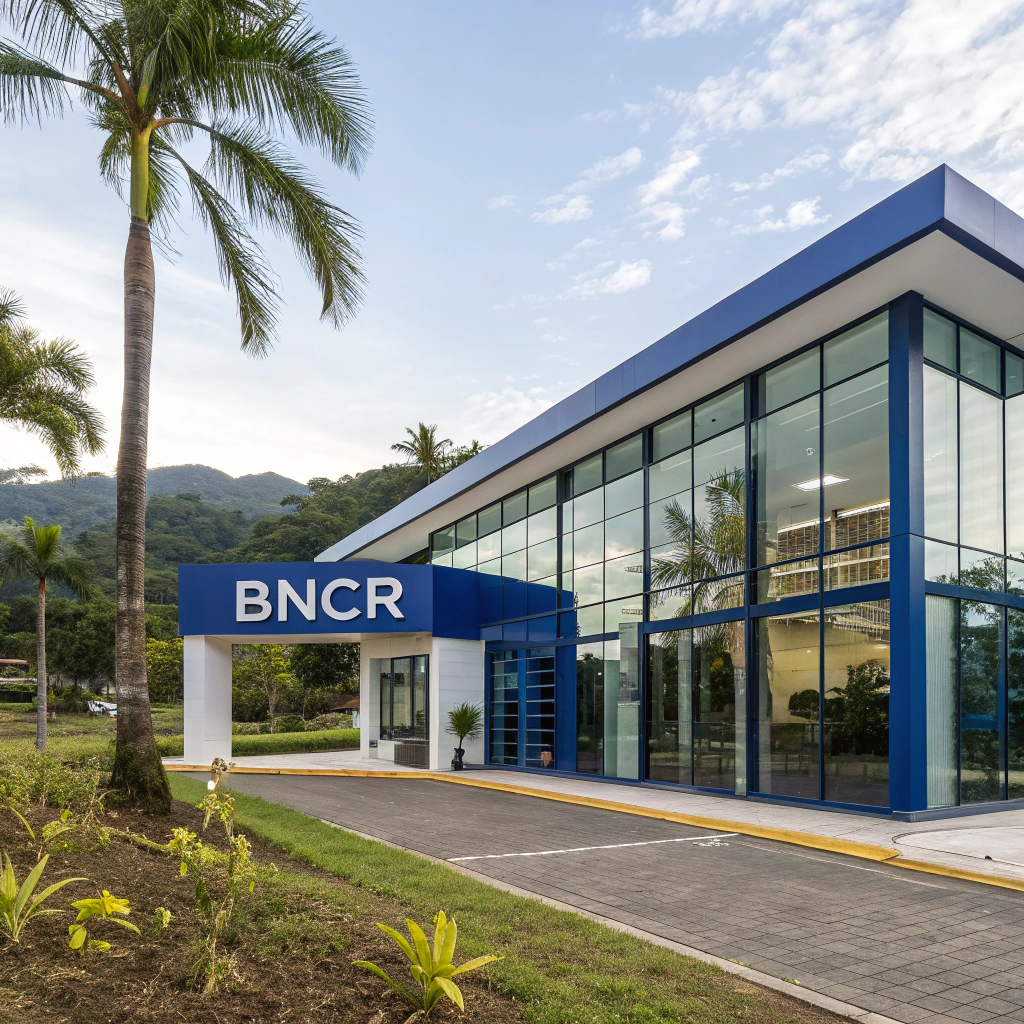
How Banks Work in Costa Rica: What Every Foreign Real Estate Buyer Must Know
Introduction
Thinking of buying property in Costa Rica? Great choice! This tropical country has become a hotspot for international investors and expats looking for sunshine, stability, and a better quality of life. But before you dive into the Costa Rican dream, there’s one essential thing you need to understand: how the banking system works.
At first glance, banking might seem like a small detail — just open an account and move on, right? Not quite. If you’re coming from North America or Europe, you’ll quickly notice that the banking experience here is very different. Opening an account as a foreigner can be complicated. Want to send money abroad? In many cases, you’ll need to go to the bank in person. And those queues? Let’s just say you’ll need a little patience.
This guide will walk you through everything you need to know about banking in Costa Rica as a foreign buyer. We’ll explain how the system works, how to open a local account, the key differences with banks back home, why international transfers are such a hassle, and — yes — how to survive those never-ending lines at the bank.
So, grab a cup of Costa Rican coffee, take a seat, and let’s get into it. With the right information, you’ll navigate the local banking system smoothly and get one step closer to making your dream property a reality.
The Basics: What to Expect from the Costa Rican Banking System
Costa Rica’s banking system is stable, reliable, and regulated by SUGEF (Superintendencia General de Entidades Financieras), the country’s financial supervisory authority. There are two main types of banks here: state-owned banks, like Banco Nacional and Banco de Costa Rica (BCR), and private banks, such as BAC Credomatic, Davivienda, and Scotiabank.
On the surface, they offer similar services — checking accounts, savings accounts, loans, and online banking. But the experience differs greatly. Public banks often have longer wait times and more bureaucracy. Private banks tend to be more user-friendly, but might charge slightly higher fees for certain services.
Now, let’s talk about what makes Costa Rican banks so unique — or challenging, depending on how you see it. For starters, many things still happen in person. While most banks offer online platforms and apps, they’re not nearly as advanced as what you may be used to in the U.S. or Europe. Need to make a wire transfer abroad or change your account settings? You’ll probably have to visit a branch.
And yes, the queues can be long — painfully long. Going to the bank can take hours if you go at the wrong time of day or during busy periods, such as the start or end of the month. Even minor tasks like requesting a printed bank statement or updating your address can turn into half-day affairs.
That said, there are positives. Costa Rican banks are quite secure, and the system is designed to protect against money laundering and fraud. But this also means strict requirements for showing where your money comes from — especially if you’re wiring large amounts for a property purchase.
The key to success? Patience, preparation, and a clear understanding of how things work. Once you’re familiar with the system, you’ll be able to manage your finances here just fine — and maybe even learn to enjoy the slower pace of Pura Vida banking.
How to Open a Bank Account as a Foreign Non-Resident
If you’re a foreigner without permanent residency in Costa Rica, you can still open a bank account — but it’s not quite as straightforward as you might hope. Every bank has slightly different requirements, and they can change depending on your status, the amount of money you plan to transfer, and the kind of account you want.
Here’s a general list of what you’ll need to open a personal bank account as a non-resident:
A valid passport
A utility bill or rental contract showing a Costa Rican address
A reference letter from your home bank
Documentation showing the source of your funds (such as pay stubs, tax returns, contracts, etc.)
A local phone number — some banks won’t proceed without it
Some banks also ask for a recommendation letter from a local lawyer or an existing client, especially in public banks.
A major catch: you usually have to go in person to open the account. Don’t expect to handle it all online or by phone — remote account opening is rare and usually reserved for corporate clients or high-net-worth individuals. You’ll fill out forms by hand, answer questions, show your ID, and often wait several hours to finish the process.
Once approved, you can typically choose between a colón account (Costa Rican currency) or a U.S. dollar account. If you’re buying property, a dollar account makes sense, since most real estate transactions are done in USD.
Pro tip: go with a bank that has a decent English-speaking staff and a functional mobile app. BAC Credomatic is often recommended by foreigners due to its digital tools and relatively smooth process.
Be aware that some accounts for non-residents come with limitations — for example, lower transaction limits or restricted access to online banking features. That’s why it’s critical to clearly explain what you’ll be using the account for, especially if you’re planning large transfers related to a property purchase.
The Key Differences with North American and European Banks
Coming from a highly digitized country? Prepare yourself: banking in Costa Rica can feel like going back in time. If you’re used to apps like Revolut, Zelle, or mobile deposits in seconds, the Costa Rican system will probably surprise you.
Let’s break down some of the biggest differences:
1. Heavy reliance on paper
Everything here is documented — and we mean everything. Even routine changes, like updating your address, may require in-person visits, physical signatures, and copies of your passport. You’ll often need to return later to finalize a process.
2. Limited online features
Many bank apps don’t support international transfers or large domestic wire transfers. Increasing your transaction limit often requires a trip to the branch — with supporting documents. Forget about instantly sending $50,000 from your app; you’ll need a banker, a form, and maybe even a manager’s signature.
3. Strict hours
Most banks are only open Monday to Friday, 8:00 a.m. to 3:00 p.m. If you work full-time or have a tight schedule, this can make things tough. Don’t expect weekend banking or late-night support.
4. Language barriers and limited customer service
Few bank employees speak fluent English. Don’t expect to chat with a representative online or get personalized service like in many North American or European institutions. It’s not personal — it’s just how the system works.
5. Transaction limits and scrutiny
Expect tight restrictions on how much you can move without documentation. All large transactions are flagged, and you’ll be asked to prove the source of the funds. Even regular income deposits may trigger questions if they come from abroad.
Still, not everything is frustrating. Once you’re set up, account maintenance fees are low, mobile transfers within Costa Rica are cheap and fast via SINPE Móvil, and local banking is quite secure.
Bottom line? Adjust your expectations. The Costa Rican banking system prioritizes security and compliance over speed and convenience. That might feel inconvenient at first, but in the long run, it creates a solid and trustworthy foundation for managing your money.
Why International Transfers Are a Pain — and How to Manage Them
One of the biggest challenges for foreign buyers is sending money to or from Costa Rica. You’d think it would be simple in 2025, right? But in Costa Rica, you often need to be physically present at the bank to authorize an international wire transfer — especially for large amounts.
Why is it so complicated? One word: compliance. Costa Rica takes anti-money laundering laws seriously, and banks are under pressure to verify the source and purpose of every significant transaction. This means a simple wire transfer can turn into a full-on documentation process.
Here’s what you might need to provide:
Your valid passport
Proof of the origin of funds (contract, income statement, or sale document)
A purchase agreement or invoice to explain the reason for the transfer
A signed request form, in person
Some banks may take 2-3 business days (or more) to process the transfer. Others may simply say “no” if your account doesn’t meet certain criteria — for example, if you’re not a legal resident or if your account is considered too “basic.”
Trying to use apps like Wise or Revolut? Sometimes they work — but many Costa Rican banks delay or reject incoming transfers from these platforms, pending internal review. Funds can get stuck for days or returned altogether.
This is where working with a professional team like Crespo Agency really makes a difference. They’ve handled dozens of property transactions for international clients and know how to navigate the banking maze. They’ll tell you which banks are most foreign-friendly, which documents to prepare, and how to avoid delays when transferring large amounts for your purchase.
Our advice? Plan well in advance. Start the process early, bring all your paperwork, and keep digital and physical copies of everything. If you’re wiring a deposit or down payment, communicate with your attorney and agent ahead of time so the bank is prepared.
It’s not impossible, but it’s definitely not plug-and-play. The more you understand the system, the smoother your real estate investment will go.
How to Deal with Long Lines and Slow Banking — Without Losing Your Mind
Let’s talk about the elephant in the room: bank lines in Costa Rica are no joke. It’s not unusual to wait an hour or more for even basic services. And while it can be frustrating, there are ways to work around it.
1. Go early
The golden rule: get there when the bank opens. Many branches open at 8:00 a.m., and if you’re there first thing, you’ll often be done in 15–20 minutes. Arrive at noon? You could be stuck until mid-afternoon.
2. Avoid peak days
The beginning and end of the month are the worst times to visit. So are Fridays and the day before national holidays. Aim for a mid-week, mid-month window — Tuesday mornings are usually best.
3. Make appointments
Some banks — especially private ones like BAC and Scotiabank — allow online appointment scheduling. If you can book ahead, do it. It won’t always eliminate the wait, but you’ll get priority access.
4. Use smart ATMs and online tools
If all you need is to pay a bill or transfer funds locally, many banks have smart ATMs that let you do it without entering the branch. SINPE Móvil is also great for local transfers between individuals.
5. Be prepared
Always bring your passport or ID, a copy of any documents you need, and know exactly what transaction you’re doing. This prevents delays or being turned away because you’re missing a single piece of paper.
6. Bring entertainment
It may sound silly, but a podcast, Kindle, or some downloaded Netflix can turn a painful wait into productive downtime.
And above all: stay calm. The system isn’t broken — it’s just slower. Once you accept that, it gets easier. You’re in Costa Rica, after all — where everything runs on Pura Vida time. Maybe these moments of slowness are the universe’s way of helping you slow down, too.
Conclusion
Navigating the Costa Rican banking system as a foreigner can be a bit of a culture shock. The paperwork, the long lines, the in-person requirements — it’s definitely not what many are used to in Europe or North America. But it’s not as bad as it seems, especially once you understand how the system works and why it’s designed that way.
Yes, it can be slow. Yes, it can be bureaucratic. But it’s also secure, reliable, and built with protections that safeguard both you and the local economy. If you’re planning to invest in property, opening a bank account is a smart move — just be ready to bring your documents, wait your turn, and ask questions.
The good news? You’re not alone. With the help of trusted professionals like Crespo Agency, and a little preparation on your part, you’ll be able to handle banking with confidence.
So take a deep breath, embrace the slower pace, and remember: you’re not just learning how to bank in Costa Rica — you’re learning how to live here. And that, ultimately, is what makes the journey worth it.


Join The Discussion