Introduction
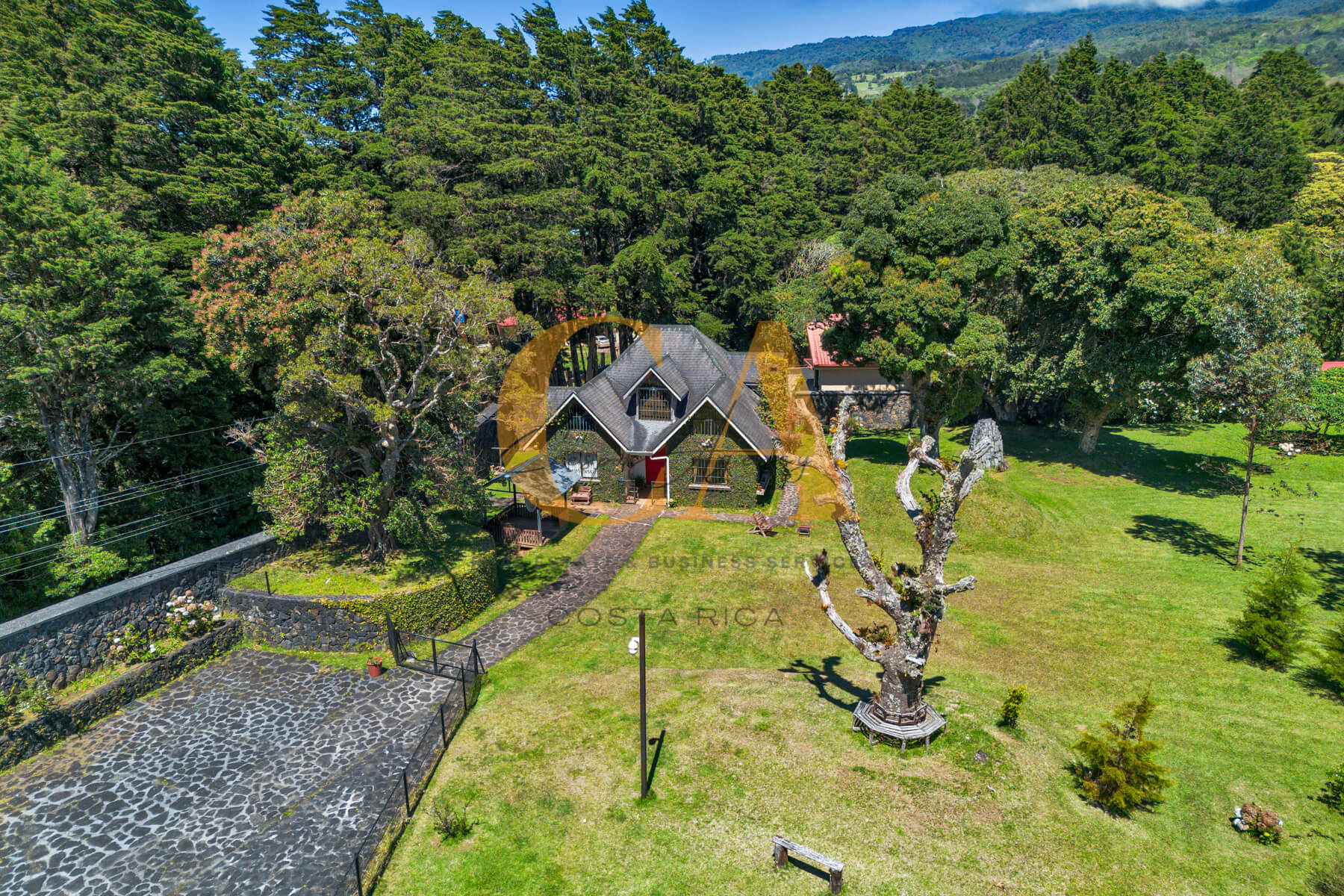
So, you’re dreaming of a home in Costa Rica with your own private garden… but after browsing countless listings, you’ve probably noticed something: outside of luxury villas, properties with truly private gardens are rare. Not like in North America or Europe where having a fenced backyard is the norm.
You’re absolutely right — and you’re not alone. Many homes in Costa Rica are built in gated communities or as part of a condo-style setup where outdoor areas are shared or minimal. If you’re someone who wants a patch of grass for your pets, to grow veggies, or simply to enjoy a bit of green space in peace… well, you’ll have to dig a little deeper.
The good news? With the right approach, it’s entirely possible to find a home with a proper private garden — without having to spend millions on a luxury estate. And that’s exactly what this guide is here to help you do.
We’ll walk through the best regions to focus on, how to connect with the right people (hint: local agents and neighbors are gold), how to uncover hidden gems not found on big real estate websites, and what questions to ask to avoid surprises.
Think of this like a friendly chat with someone who’s been through the process and wants to help you dodge the usual pitfalls. No jargon. No fluff. Just clear, actionable advice.
By the end of this article, you’ll have a solid plan to land that Costa Rican house with a garden all to yourself — whether it’s for relaxing in a hammock, growing bananas, or just soaking up pura vida.
Let’s dive in.
Pick the Right Region
First thing’s first: location matters more than ever when you’re looking for a house with a private garden in Costa Rica.
In more urban or touristic areas — think Escazú, Tamarindo, or Santa Ana — most homes are condos, townhouses, or villas with shared pools but no real private yard. But if you zoom out just a bit, you’ll find areas where private lots are still the norm, and prices are far more reasonable.
The Central Valley is a great starting point. Places like Heredia, Alajuela, Cartago, or even Atenas still have neighborhoods where standalone houses with fenced gardens are common. These are often middle-class Tico neighborhoods, not touristy zones, which keeps prices fair and the vibe local.
Want something quieter and more scenic? Try San Ramón, Tilarán, or Monteverde. These towns are in the hills, cooler in temperature, and often come with larger lots. They’re perfect if you want space, peace, and a garden that feels like part of the jungle.
If the beach is your dream, you’ll need to dig deeper — but it’s doable. The Central Pacific coast, especially areas like Parrita or Esterillos, has homes set just a bit inland where owners have private plots, gardens, and even small orchards.
The key is avoiding overdeveloped, tourist-saturated zones where land is chopped into tiny lots or vertical condos.
So, where should you look?
Central Valley (Heredia, Alajuela, Cartago) for accessibility and infrastructure
San Ramón / Monteverde for space and nature
Central Pacific (outside the beach hotspots) for that coastal life plus land
Once you’ve picked your target area, the real fun starts — finding the properties that aren’t front and center on the usual real estate sites.
Local Connections & Small Agencies Are Your Secret Weapon
Here’s something you might not know: the best properties with gardens often never make it online. Seriously. In Costa Rica, many homes are sold through word of mouth or local agents long before they’re ever listed.
That’s why local connections matter so much.
Start with expat groups on Facebook — there are dozens, broken down by region. Post a friendly message: “Hey, I’m looking for a house with a private garden in Heredia or San Ramón. Any leads?” You’d be surprised how quickly someone responds.
Next, skip the big real estate brands and look for small, local agencies — especially ones with strong community ties. These agents often have insider knowledge and long-standing relationships with homeowners. One such agency is Crespo Agency, known for helping international buyers navigate the local market and find off-market gems.
Also — don’t underestimate the power of just walking around. If you’re in Costa Rica or planning a visit, stroll through neighborhoods that feel right to you. Look for handwritten “Se Vende” signs taped to fences. These homes are often sold directly by the owner, without agents or listings.
Even better, chat with neighbors, gardeners, taxi drivers, or local shop owners. Seriously — they know who’s about to sell before the for-sale sign goes up. It’s all about word of mouth here.
Another trick? Talk to local builders or contractors. Sometimes, they’re finishing a house they planned to live in but decide to sell. Or they know someone who needs to sell quietly. Builders often have early access to houses that are still under construction — giving you a chance to customize before it’s even listed.
Bottom line: skip the waiting game. Don’t just refresh real estate websites hoping for a miracle. Activate your local network, build real-world relationships, and tap into the community’s grapevine. In Costa Rica, that’s often how the best deals happen.
How to Spot “Hidden” Listings
Okay, so you’ve got the right location and started connecting locally. But let’s talk strategy — because finding a private garden home isn’t just about luck.
Most online listings — Encuentra24, Point2Homes, Craigslist — are flooded with condos and cookie-cutter developments. If you want a garden, you’ll have to dig deeper and get creative.
First, try hyper-targeted Google searches. Use Spanish terms like “casa con jardín privado en venta en San Ramón” or “casa con patio Heredia.” This can bring up smaller blogs, community boards, or real estate pages that aren’t mainstream.
Next: set up Google Alerts. Enter search terms like “house with private garden Costa Rica” or the Spanish equivalent. Whenever a new result is indexed, Google notifies you. It’s a passive trick that can lead to surprising finds.
Then there’s Facebook Marketplace — a goldmine for private listings. Many locals post their homes here instead of paying for agency services. Use filters and keywords like “patio privado,” “terreno,” or “espacio verde.”
If you’re already in Costa Rica, do this: drive or walk through residential areas and take pictures of “Se Vende” signs. Many houses are never listed online — they’re sold by phone, old-school style.
Another niche method? Legal and foreclosure auctions. Some properties come up due to debt issues or inheritance complications. If you’re working with a good local lawyer or agent, ask them to check auction listings or municipal bulletins. Yes, it’s more paperwork — but the reward can be a large, affordable garden home no one else saw coming.
Don’t forget to check Chambers of Commerce websites in towns you’re targeting. Some of them post classified listings or link to local agents who specialize in land and houses.
To wrap up: finding the perfect garden home means going beyond the big sites. Think niche platforms, alerts, footwork, and old-school signs. Keep your eyes open and your strategy sharp — and you’ll be way ahead of other buyers.
What to Check Before You Buy + How to Negotiate
So you’ve found a promising house with a lovely garden — congrats! But hold on. Before you get too excited, there are important questions and checks you need to go through.
First: Is the garden truly private?
Ask the seller or agent:
Is the land titled and registered under the home?
Are there any shared access paths (servidumbres)?
Is the land fully fenced or open?
Any environmental restrictions?
Costa Rica has many protected zones — even if it looks like your backyard, it could be part of a forest reserve. Ask for the Uso de Suelo (zoning) certificate and cadastral plan. These tell you what’s allowed, and whether the garden is actually yours to use.
If you’re not in the country, hire a local architect, topographer, or property inspector to do a site visit. Many offer virtual services and will send you photos, maps, and a written report. Totally worth the fee.
Once you’re confident, look for leverage during negotiations. Does the garden need cleanup, fencing, drainage? Use that to justify a discount. You can often negotiate 10–20% off listed price if there’s room for improvement.
Another trick: propose a purchase option. That’s a small deposit to secure the house while you do your due diligence. Sellers like it because it shows you’re serious. You like it because it buys you time to verify everything before going all in.
Also: inspect the garden’s practical condition.
Any slope issues?
Standing water?
Neighbors’ trees overhanging?
This isn’t just about looks. It’s about how livable and functional the outdoor space really is.
To sum it up: don’t just fall for pretty pictures. Ask the hard questions. Check every document. Be patient but firm. A private garden is only worth it if it’s truly yours — legally, practically, and peacefully.
Daily Life with a Garden in Costa Rica
You bought the house. You’ve got the garden. Now what? Welcome to your tropical backyard lifestyle.
Living with a garden in Costa Rica is incredibly rewarding — but it comes with quirks. First off: plants grow fast. The rainy season can turn your neat lawn into a jungle in 10 days. You’ll need a solid mower or a trustworthy gardener. Most locals charge affordable monthly rates and take care of trimming, pruning, and cleaning.
Thinking about planting your own food? Go for it! Costa Rica is a gardener’s paradise. You can grow bananas, papayas, avocados, guanabana, cacao, even coffee if you’re at higher elevation. Raised beds for herbs and veggies (cilantro, basil, tomatoes) are super popular among expats.
A word of advice: invest in drainage solutions. During rainy season (May to November), heavy storms can overwhelm poorly drained land. Simple ditches, rock beds, or French drains can save your patio from becoming a swamp.
For ambiance, set up a seating area, maybe a hammock, outdoor kitchen, or fire pit. Don’t overthink it. Even a small terrace or gravel section under a tree becomes magical in the evenings.
Worried about security? A private garden doesn’t need barbed wire. Fences, hedges, and solar motion lights go a long way. Not just for safety — they give you peace of mind and a clear boundary.
And here’s a pro tip: start composting. Use garden clippings and kitchen waste to make rich compost. It’s eco-friendly and will supercharge your soil. Your garden will thank you with blooms and fruit.
To wrap up: daily life with a garden here is peaceful, lush, and grounding. But it does take maintenance. If you invest the time and care, you’ll end up with more than just a yard — you’ll have your own piece of tropical paradise.
Conclusion
Now that you’ve read this far, you’ve got a clear roadmap to find a house with a private garden in Costa Rica — without breaking the bank or chasing unicorns.
You know which areas are worth exploring (Central Valley, San Ramón, Central Pacific), and you’ve learned how to tap into local agents, neighbors, Facebook groups, and even contractors to find listings that don’t show up on the big platforms.
You’ve picked up strategies to identify real private gardens, avoid legal gray areas, and negotiate like a pro. And maybe most importantly — you now understand the lifestyle that comes with owning a garden in this lush, tropical country.
It’s not just about space — it’s about quality of life. Peace, greenery, maybe some fresh fruit, and a place to breathe.
If you’re ready to start looking, use this guide as your checklist. And don’t rush. The right house is out there, and when you find it, it’ll be worth every effort you made.
Costa Rica doesn’t just offer beautiful homes — it offers a slower, more grounded way of living. And your private garden? That’s where it all begins.



Join The Discussion