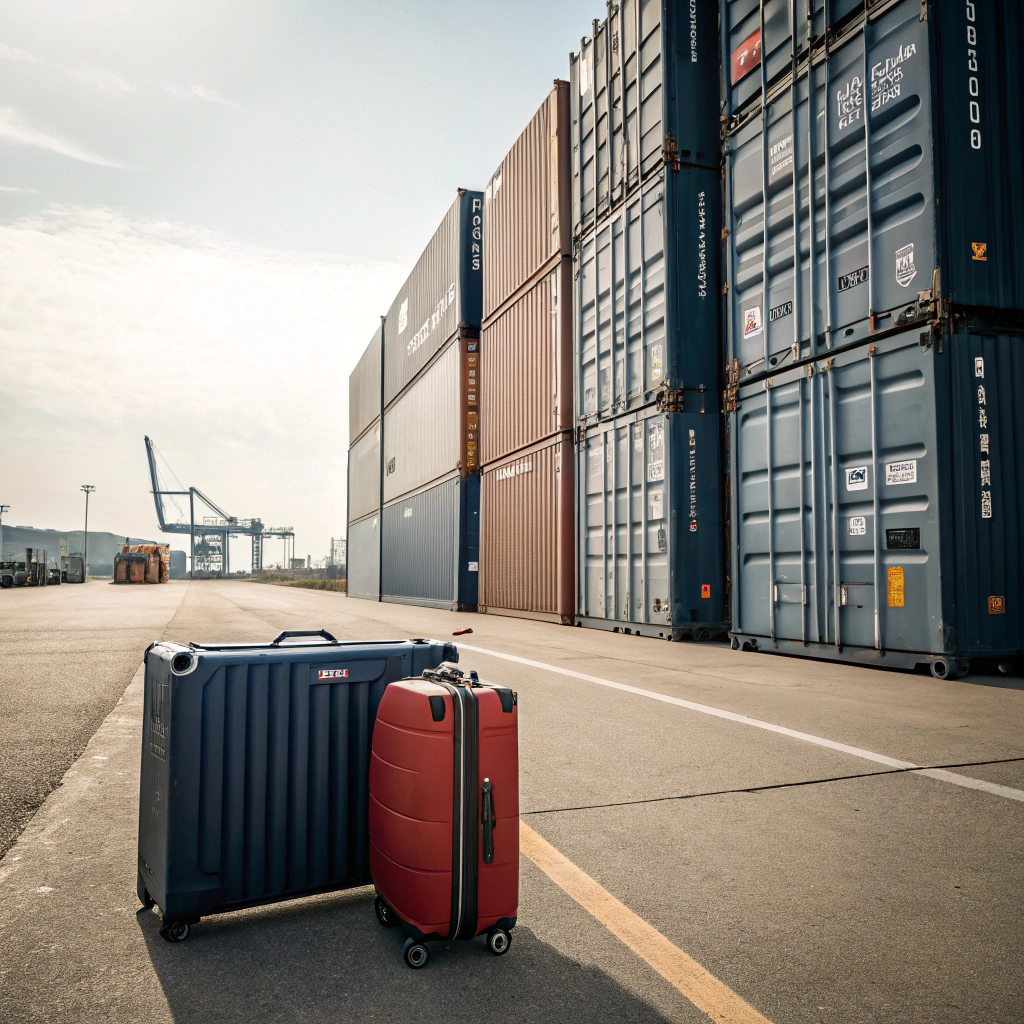
Should You Bring Your Belongings When Moving to Costa Rica? The Real Cost of a Container and What’s Really Worth Shipping
Introduction
Moving abroad is an exciting adventure—but it’s also filled with practical decisions. One of the most common questions when preparing to move to Costa Rica is: should you bring all your stuff or travel light and buy locally? The cost of shipping a container can seem steep, especially when compared to the idea of simply replacing everything once you get there. But the reality is far more nuanced.
Costa Rica offers many appealing features: beautiful weather, lush nature, political stability, and a high quality of life. But it also has its own economic particularities. Many everyday items are significantly more expensive than in Europe or North America, and some are unavailable altogether unless imported—which often comes at a steep price.
This is where the container question becomes critical. Yes, ocean freight can easily run $5,000 to $10,000 or more, depending on your origin and the size of the shipment. But is it worth leaving behind your furniture, clothes, appliances, and personal items? What might you regret not bringing? And how do you decide what’s worth the cost of international shipping?
In this article, we’ll explore everything you need to know about shipping your belongings to Costa Rica—the real costs, local availability, what you should bring, and how to organize your move smartly. By the end, you’ll know exactly how to make the best decision for you and your family and how to avoid the common regrets that come with an unprepared move.
The Real Cost of an International Move to Costa Rica
Moving to Costa Rica means dealing with an international relocation. And that usually involves ocean freight in a shipping container—the only practical way to transport a significant number of personal belongings. But how much does that really cost?
On average, a 20-foot container from Europe or North America to San José will run between $4,000 and $6,000 USD. A 40-foot container can cost $7,000 to $12,000 or more, depending on the departure country, shipping company, and season. You’ll also need to budget for packing services, marine insurance, customs fees, import taxes, storage, and final delivery to your home.
At first glance, that price tag seems outrageous. But if you consider how much it would cost to replace all your things in Costa Rica, shipping can actually save you money. Take a high-quality memory foam mattress that cost €1,000 in Europe—it might cost you double or triple that in Costa Rica, if you can find it at all. The same goes for solid wood furniture, high-end kitchen appliances, specialized tools, and musical instruments.
Some things are not worth shipping though: cheap furniture like IKEA, which won’t survive the tropical humidity, winter clothes, non-compatible electronics (Costa Rica uses 110V), or anything with low sentimental or practical value.
So how do you decide? The key is to compare the value of what you’re shipping against the shipping cost. If you’re the type of person who owns high-quality furnishings or hard-to-replace equipment, a container makes sense. And don’t forget the emotional and practical toll of having to buy everything again—it’s stressful, time-consuming, and full of compromises.
Bottom line: a container is worth considering if it fits your budget and your needs. Just make sure you plan carefully and crunch the numbers before deciding.
What You Can (or Can’t) Easily Buy in Costa Rica
Costa Rica has a reasonably modern retail environment, especially in cities like San José, Escazú, Heredia, and Liberia. You’ll find international chains, shopping malls, and some online options. But don’t expect it to be just like home—and definitely don’t assume everything you need is available or affordable.
Let’s start with the easy stuff: basic appliances like refrigerators, stoves, and washing machines are widely available. So are simple furniture, summer clothing, kitchen utensils, and cleaning supplies. Stores like Walmart, PriceSmart, Gollo, and EPA carry these items at acceptable (though not cheap) prices.
Where it gets tricky is anything beyond the basics. Brand-name electronics like Apple, Samsung, or Sony are available, but often at 20–50% higher prices. Cars are extremely expensive, especially newer models. And if you’re looking for designer furniture, European appliances, or gourmet groceries, expect to struggle—either with price or availability.
Now, let’s talk about what’s nearly impossible to find: niche hobby equipment (sewing, photography, musical gear), books in foreign languages, specialty clothing, organic and gluten-free foods, educational toys, and even basic items like custom curtains, high-end cookware, or comfortable shoes. If you rely on specific products or have high standards for certain things, you should bring them with you.
What about online shopping? You can use Amazon, but shipping is slow, often expensive, and import taxes can double the price. Costa Rica doesn’t yet have a robust local e-commerce infrastructure, and delivery logistics are complicated.
So what’s the takeaway? Before you pack, make a list of what you use daily or weekly, research its local availability and price, and weigh your options. You may find that shipping some items is far more practical than trying to source them once you arrive.
In short, Costa Rica has modern amenities, but not everything is easy to find—and even less so at a reasonable price. For certain things, it’s simply smarter to bring them with you.
Bring It or Leave It? A Practical Sorting Guide
Let’s make this simple. When deciding what to ship, think in three categories:
Essential and hard to replace
Easily available or replaceable locally
Non-essential or unnecessary
In the first category:
High-end musical instruments, photography equipment, work tools
Solid wood furniture, ergonomic mattresses
Rare books, art, family heirlooms
Specialized outdoor gear or orthopedic shoes
In the second:
Common kitchenware and utensils
Low-cost small appliances (blenders, toasters)
Basic home décor, summer clothes
Standard furniture found in Costa Rica
In the third:
Winter clothing
Paperwork you no longer need
Damaged or duplicate items
Electronics incompatible with 110V outlets
Another key factor: humidity. Costa Rica’s tropical climate can be brutal on leather, paper, particleboard furniture, and delicate clothing. Use vacuum-sealed bags, moisture absorbers, and waterproof containers to protect sensitive items.
Here’s a golden rule: if you’d miss it terribly, bring it. If not, leave it or replace it.
Feeling overwhelmed? You don’t have to do this alone. Crespo Agency, which helps many expats purchase homes in Costa Rica, also works with trusted partners for logistics, customs, shipping, and insurance. Their experience can save you stress, time, and money.
Also, don’t forget to check Costa Rican import regulations. Items like firearms, certain foods, plants, and chemicals are restricted or banned. Failing to comply can result in fines or confiscation.
Planning ahead and being methodical with your choices will ensure your move is smoother—and your arrival more comfortable.
Sentimental Belongings: Thinking Long-Term
Not everything you move has monetary value. Some things are priceless for personal reasons. So what do you do with the sentimental items—the ones that tell your story?
Family photos, inherited furniture, art, childhood keepsakes… these are often the hardest to leave behind. And while they might not be “practical,” having them with you in your new country can provide emotional comfort during a big transition.
Adapting to Costa Rica can take time. Even in paradise, there are cultural adjustments, language barriers, and the occasional bout of homesickness. Familiar surroundings, personal items, and meaningful décor can go a long way in helping you feel “at home” in a foreign country.
A great strategy is to plan your move in two stages: bring essentials and urgent items first in your luggage or via air freight. Then, once you’re settled and have a better feel for what you need, ship the rest in a container.
Some people rent storage units in their home country for things they’re not ready to sell or ship. This gives you breathing room and avoids rash decisions.
One last tip: photograph everything before you pack it, keep a digital inventory, and store copies of important documents in the cloud. This helps with customs, insurance claims, and your own peace of mind.
Your belongings are part of your identity. They shouldn’t weigh you down, but they also shouldn’t be left behind if they bring you joy or connection. Moving abroad is a new chapter, but that doesn’t mean erasing the old ones.
So… Is a Container Worth It?
Let’s get down to it: is it worth shipping a container to Costa Rica?
There’s no one-size-fits-all answer. It depends on your lifestyle, finances, the duration of your stay, and what kind of life you want to build here.
If you’re moving solo, with minimal items, for a short-term experience, suitcases and air freight might suffice. But if you’re relocating as a couple or family, planning to stay long-term and owning high-quality belongings, then a shipping container can be a smart and cost-effective investment.
It’s easy to focus on the cost. But think also about the emotional side. Creating a cozy, familiar home from day one helps reduce stress and increase your sense of belonging.
Also, if you’re buying a home in Costa Rica—which many expats do—it’s often better to furnish it with your own items. Many unfurnished homes are empty shells, and the local selection is limited if you’re looking for comfort or style. If you’re planning to buy property, Crespo Agency can assist you with the entire process, including property search, negotiation, legal support, and move-in logistics.
To sum it up:
Say yes to the container if you have valuable, personal, or irreplaceable items
Say no if your move is temporary or you don’t own much worth shipping
Consider a mixed strategy: suitcases + air freight + partial container, depending on your specific needs
The key is preparation. Get quotes, understand customs rules, choose a reliable mover, and have a backup plan in case of delays.
A well-planned container shipment can mean a happier, smoother, and even cheaper start to your life in Costa Rica.
Conclusion
Relocating to Costa Rica is more than just moving—it’s a life decision. Amid the excitement of starting fresh, practical decisions like whether to ship a container play a major role in how smoothly your transition goes.
Yes, containers are expensive. But they can also be a wise investment, especially when you factor in how costly and difficult it can be to replace everything locally. High-quality furniture, sentimental items, and special gear often justify the shipping cost.
What matters most is making an informed, thoughtful decision. Evaluate your lifestyle, long-term plans, and budget. Choose to bring what truly adds value to your daily life—comfort, familiarity, or emotional connection.
And remember: you’re not alone in this process. With support from relocation experts like Crespo Agency, your move to Costa Rica can be as smooth and stress-free as possible. From real estate to logistics, they’ve got your back.
After all, moving isn’t just about geography. It’s about building a life that feels like home. Bring what matters—and make this new chapter a meaningful one.




Join The Discussion