Introduction
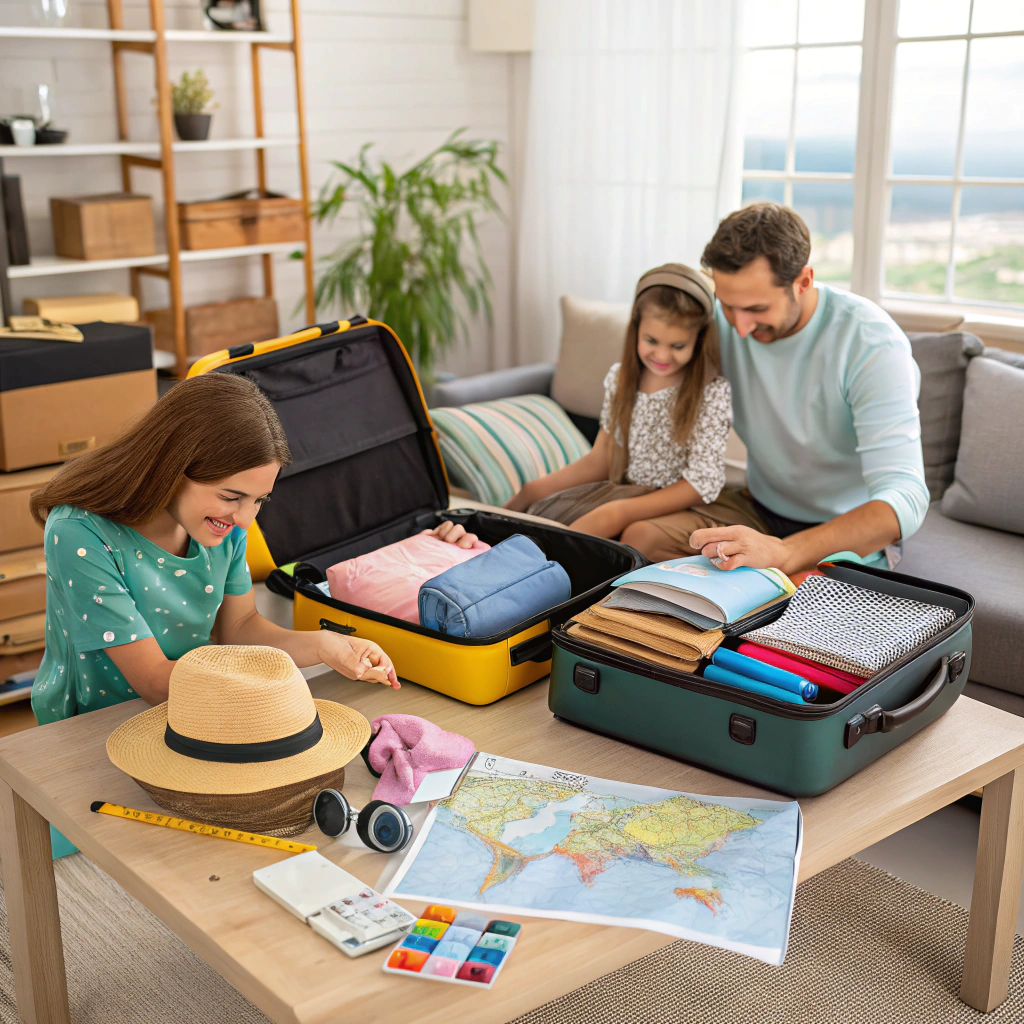
Are you seriously considering a life change and moving to Costa Rica? This small Central American country has captured the imagination of thousands with its lush nature, gorgeous beaches, and laid-back “Pura Vida” lifestyle. But before you take the plunge and call yourself an expat, there’s one critical step that too many people skip: organizing a proper reconnaissance trip. And I’m not talking about just a beach holiday! I mean a stay designed for you to get a real feel for daily life, to meet other expats, to truly test whether this country suits your needs—and to avoid some classic mistakes that happen when we see Costa Rica only through rose-colored glasses.
Because, let’s be real: Costa Rica is not for everyone. There are challenges, surprises, and cultural differences that can throw even the most seasoned traveler for a loop. That’s why it’s so important to give yourself time to explore, do your research, rent before you buy, and—most importantly—listen to your own feelings about each region, city, or village.
In this article, I’ll give you all the key tips for preparing your reconnaissance trip to Costa Rica, the big questions to ask before packing up your life, and how to spot the areas where you’ll genuinely feel at home. We’ll talk about choosing accommodation, practical organization, common pitfalls, integration, and I’ll share some advice based on 20 years of international real estate experience. My goal? To help you make your relocation decision with confidence, no regrets, and the best possible preparation. Are you ready to find out if Costa Rica is really right for you? Let’s dive into this journey of exploration and self-discovery together!
Planning Your Reconnaissance Trip: The Essential First Step for a Successful Relocation
Moving to Costa Rica is a dream for many people seeking a new way of life. But if you want to make that dream come true—without running into a nightmare—organizing a proper reconnaissance trip is absolutely essential. So, let me ask you: have you really thought about what you want out of this new life? So many people rush in, seduced by those iconic beach scenes and stunning rainforests, but they forget to ask themselves about their real daily needs, their preferred pace, or what makes them truly happy—or miserable. This reconnaissance trip is the moment to answer all those questions, and more.
Before you book your flight, take some time to clarify your objectives. Why do you want to move? What do you expect from Costa Rica? Is it about the nature, tranquility, expat community, cost of living, education for your kids, being near the ocean, or just starting fresh? Write down your priorities. It sounds obvious, but honestly, most people don’t, and they end up feeling lost after arrival.
The key is to select several regions to explore, even if you have a favorite already. Costa Rica is small, but there’s an amazing variety of environments, climates, ecosystems, and lifestyles: the Central Valley (San José, Escazú, Heredia), the Pacific coast (Tamarindo, Nosara, Santa Teresa, Dominical), and the Caribbean coast (Puerto Viejo, Cahuita). Every area has its charm—and its challenges: humidity, rainy season, access to healthcare, infrastructure, local communities, security… These things must be experienced, not just read about.
During your stay, live as a local, not a tourist. Shop at local markets, use public transport, talk to shop owners, try out “sodas” (small typical restaurants), try out a few errands at the bank or post office. It’s in those moments that you discover what you like—or don’t—about a place. Jot down your feelings and compare them from one place to another. Treat it like your own personal investigation!
Finally, meet both expats and Costa Ricans. Ask what they love, what they miss, what was hard for them. Their insights are priceless and will help you anticipate your own challenges. This reconnaissance trip is your safety net before making the big leap. Take it seriously, stay curious, and give yourself the best chance for expat success.
Costa Rica Isn’t for Everyone: Realities, Challenges, and Cultural Differences
Let’s not sugarcoat it: living in Costa Rica isn’t just an endless holiday. This country, as amazing as it looks, has its own unique quirks that can surprise, annoy, or even disappoint people who aren’t prepared. Wouldn’t you rather know about these things before you commit long-term?
First up, there’s the pace of life. The famous “Pura Vida” lifestyle is charming—but it can drive go-getters absolutely crazy. Here, everything takes longer: paperwork, repairs, deliveries, opening a bank account… If you like to get things done fast, you’ll have to learn to relax and let go. Impatience is the #1 enemy of new expats. Can you see yourself laughing about it—or tearing your hair out?
Then, there’s logistics. Roads can be rough, especially outside the Central Valley, and distances can be deceiving. A quick look at Google Maps might suggest a short drive, but with potholes and traffic (especially near San José), you might spend two hours covering 50 kilometers! Public transportation exists, but it’s nothing like Europe or the US. You have to embrace adventure and accept the unexpected.
The climate is amazing… but with a twist. Humidity, especially on the Caribbean coast, can be intense. And rainy season? Some regions turn to mud for months at a time. If you dream of endless summer, you’ll need to choose your area carefully and accept that here, nature is the boss.
Now, let’s talk about safety and health. Costa Rica is considered safe by Central American standards, but you still need to take precautions: petty theft, break-ins, standard common-sense stuff. Healthcare is generally good, but outside the capital, access to specialists can be limited and waits can be long. A good private health insurance policy is essential.
And, of course, cultural integration. Costa Rica is welcoming, but you need to make the effort to understand the local mindset, learn some Spanish (even a little goes a long way), respect traditions, and let go of the urge to control everything. People who try to “import” their home country ways or constantly compare will end up disappointed.
See what I mean? Costa Rica is magical—but only for those who know how to adapt. It isn’t for everyone, and that’s perfectly okay! The real goal is to be happy, not to force yourself into a life that doesn’t suit you. That’s why the reconnaissance trip is so important: it lets you feel if this lifestyle truly fits you. So, are you ready to slow down, adapt, and really live the “Pura Vida” way?
Rent Before You Buy: The Smartest Step to Avoid Regret
When you imagine your new tropical life, the idea of buying a house or condo in Costa Rica probably seems like the next logical move. But here’s the thing: this is one of the most common traps for newcomers, eager to “settle down” as quickly as possible. My advice, after guiding hundreds of families and couples through relocation: rent first, buy later. Why? Because nothing replaces real experience on the ground.
Renting is the best way to test whether your crush on a place is genuine, without long-term pressure or commitment. A house can look perfect during a showing—and reveal all its flaws over the months: damp walls, noisy neighbors, water cuts, tricky access during rainy season… You’ll never spot these in a listing or during a quick viewing. And the vibe of a neighborhood or town can change completely between the dry season, when everything is lively, and the green season, when places empty out and some businesses close.
Renting also gives you the freedom to move if you don’t like the area. Love the Pacific coast but find it too quiet off-season? Dreamed of San José for convenience, but city life gets old fast? No problem—you can try a new area without the stress of selling or rushing a sale at a loss. This flexibility is gold, especially in your first months.
Don’t forget the financial side: buying in Costa Rica takes time, patience, and deep market knowledge. The pitfalls are real: unclear titles, non-buildable land, inflated prices for foreigners… Renting buys you time to learn the market, meet reputable agents, negotiate calmly, and plan your purchase in safety.
Many new arrivals fall for social pressure (“buy now, prices are rising!”) or the urge to “lock in” a piece of paradise before settling in. But the best decisions come from taking your time, observing, talking to locals and fellow expats, and seeing what truly fits your lifestyle. Remember: renting first isn’t failure, it’s smart planning and a sign you’re thinking long-term. What matters most is feeling good and building your new life at your own pace—without stress, pressure, or costly mistakes.
How to Spot the Area Where You Truly Feel Good: Listen to Yourself, Not the Trends
Here’s the big question every would-be expat faces: How do you choose the right area to settle down in Costa Rica? The country is full of contrasts. Jungle, beach, mountains, city—each area has die-hard fans and harsh critics. But ultimately, what matters is how you feel in each place.
Some areas are “trendy,” popping up all over Instagram and travel blogs: Tamarindo, Nosara, Santa Teresa, Manuel Antonio… They’re beautiful, sure. But does that mean you’ll be happy there? Not necessarily. These places can be touristy, prices can be steep, and day-to-day life may be totally different than you expect. I’ve seen expats realize after a few months that the “perpetual vacation” vibe doesn’t suit them at all, or they’d prefer more authenticity, more calm, or even more action.
That’s why, during your reconnaissance trip, you need to give yourself permission to get off the beaten track. Wander through lesser-known villages, stroll through neighborhoods, sit in a plaza, watch the local life, talk to the people. Ask yourself: Can I imagine doing my grocery shopping here? Getting coffee in the morning? Coming home every night to this street, this house? Sometimes it’s a tiny detail—a sunset, a friendly neighbor, a hidden cove—that just “clicks” for you.
And don’t forget practical considerations: access to schools if you have kids, quality of internet if you work remotely, healthcare proximity, activities you actually enjoy… It’s easy to overlook these in the excitement of moving, but they matter hugely for long-term happiness.
If you want help narrowing down your search, reach out to local agencies that specialize in helping expats. For example, Crespo Agency knows Costa Rica’s regions inside out and can help you avoid rookie mistakes, steer you based on your lifestyle, and connect you with like-minded expats. Having professional, on-the-ground advice can be a game changer—they know the market, the traps, the real “vibes,” and the best-kept secrets.
At the end of the day, the right place is the one where you feel balanced, energized, and genuinely at ease. Don’t chase perfection—chase your own personal happiness! That’s the real secret to a successful, fulfilling life in Costa Rica.
Integration and Making Your Move a Success: Real-World Tips for a Smooth Transition
So you’ve found an area you like, you’ve made the decision, and Costa Rica is ready to welcome you. But here’s the thing: the period right after arrival is often the trickiest. A lot of expats underestimate it, thinking that once they have a place to live, everything will just fall into place. But real integration takes time, and a few simple tricks can save you a lot of headaches.
First rule: give yourself time to settle in. Don’t try to do everything in your first week! Allow yourself to make mistakes, to explore, to change your mind. Start with the basics: temporary residency, opening a local bank account, getting private health insurance (a must in the early days), registering with the Costa Rican Social Security system (CCSS) if you’re staying long-term.
Then, focus on day-to-day life: get a car that fits local roads (a 4×4 is often a wise investment if you’re outside the cities), find the best places to shop, check out local farmers’ markets, locate nearby schools and clinics. Most importantly, invest in building real relationships. Talk to your neighbors, join community events, get active in local Facebook or WhatsApp groups—both for expats and locals. The more you interact, the richer your experience will be.
Don’t forget the language! While many expats live in their own “bubbles,” just a little Spanish makes a world of difference. It makes everything easier, builds trust with locals, and opens the door to a much more authentic experience. Even a few lessons before or after arrival can totally change your integration.
And don’t be too hard on yourself. The first days—or even months—can be tough, confusing, or frustrating. That’s perfectly normal! Every transition takes time. Notice what you like, what you miss, what surprises you. Tweak your habits as you go, keep an open mind, and accept that things won’t be perfect overnight.
And remember, you’re not alone. Specialized agencies, expat networks, and online forums are there to answer questions, share advice, and help you avoid common pitfalls. Expatriation is a process of learning and adapting—but also one of amazing discovery, growth, and meeting incredible people.
Conclusion
Relocating to Costa Rica is an adventure that inspires, but it also demands reflection, preparation, and a willingness to discover. Organizing a reconnaissance trip is the essential first step to approach your move with confidence: this is your chance to see if tropical life is truly right for you. Costa Rica isn’t for everyone, and that’s completely fine. Taking the time to rent before you buy, to try different areas, and to really listen to your own instincts is the smartest way to avoid disappointment and build a happy, solid new life.
Never forget that integration takes time—you can always change your mind, adapt your choices, and grow as you go. Surrounding yourself with good advice, connecting with other expats, and keeping an open mind towards the local culture will make all the difference. Whether you end up on the beach, in the mountains, in the city, or surrounded by jungle, what matters most is that you feel good, stay true to your values, and enjoy every moment in this small but amazing country.



Join The Discussion