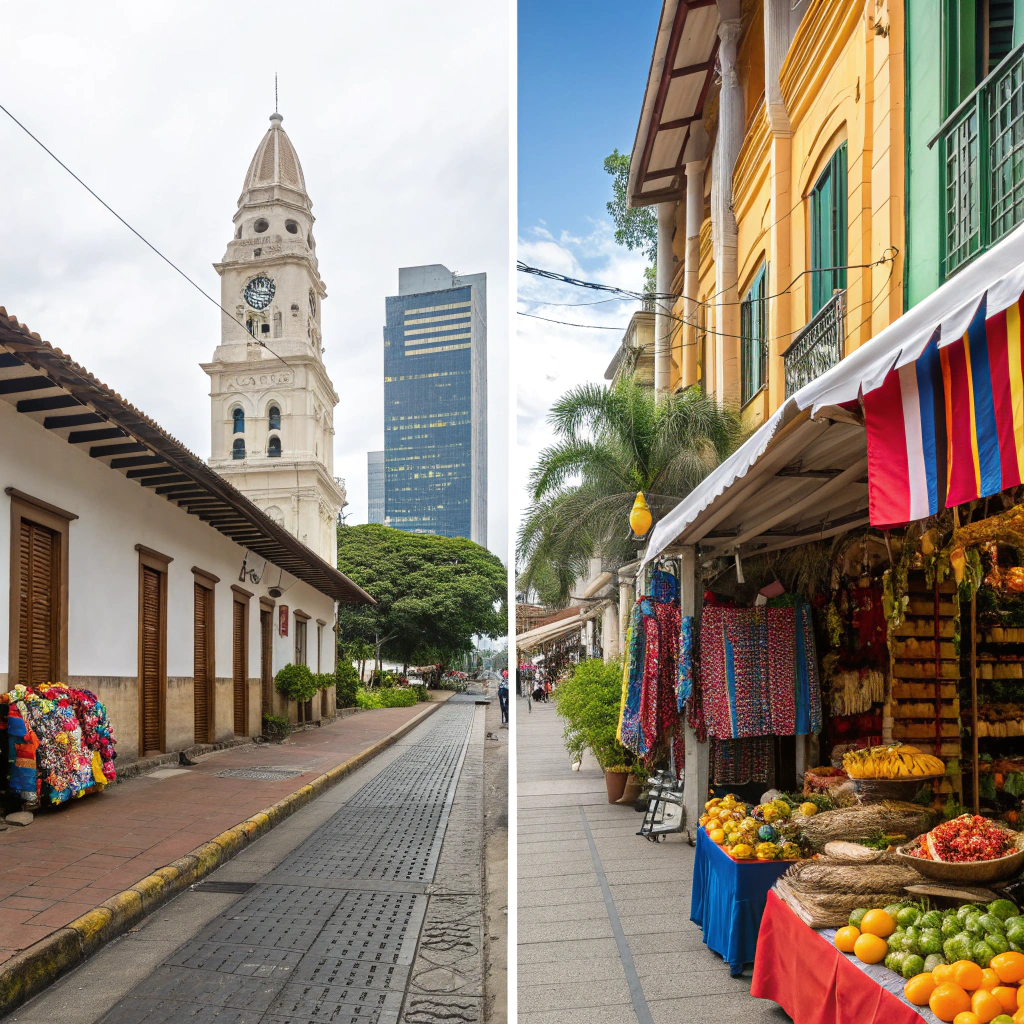
Cultural Differences, Behaviors, and Misconceptions Between Costa Rica, Europe, and North America
Introduction
Thinking about buying property in Costa Rica? Whether you’re from Europe or North America, one thing that may catch you off guard isn’t the legal system, the price per square meter, or even the paperwork—it’s the cultural differences. Buying a house, a condo, or a piece of land in a foreign country is never just a financial transaction. It’s a step into a new rhythm of life, a new mindset, and a whole new way of interacting with people.
Many foreign buyers arrive with strong expectations. They assume things will function the same as back home—be that in Toronto, Berlin, or Paris. But Costa Rica, while incredibly welcoming and open to outsiders, is a country with a deep and unique identity, shaped by its environment, history, and a laid-back life philosophy summed up in two words: Pura Vida.
This article is your friendly, real-world guide to the cultural, behavioral, and expectation gaps between Costa Rica and the Western world—specifically from the perspective of a foreign buyer. We’ll talk about mindset, timing, communication, real estate standards, and integration.
Wondering if you’ll adapt? Afraid of making cultural faux pas? We’ll answer those questions, share practical tips, and give you real-world insight so you can move forward with clarity, confidence, and realistic expectations.
A Totally Different Relationship with Time
One of the first cultural shocks newcomers experience in Costa Rica is how differently time is perceived. Here, time is more fluid, more relaxed, and definitely not something people stress over. This concept is often jokingly referred to as “Tico Time”—meaning that when someone says “let’s meet at 10,” it could really mean 10:30, or even 11.
If you’re coming from Germany, the U.S., or Canada, where punctuality is considered a basic form of respect, this loose relationship with the clock might drive you crazy at first. You might show up for a scheduled meeting with a notary or real estate agent, ready and sharp, and then find yourself waiting, sipping water in a lobby while the locals casually chat.
But don’t take it personally. This isn’t rudeness or disorganization—it’s simply a cultural approach where the pressure of time takes a backseat to the quality of human interaction. People here prioritize building trust and warmth over being “on the dot.”
So how do you adapt? First, chill out. Seriously. Being overly rigid about time will only increase your stress. Second, pad your schedule. Always give yourself extra time before and after important meetings. Third, learn to appreciate the difference. Once you let go of the ticking clock, you’ll find something beautiful in this more human pace of life.
In terms of real estate, yes, some processes might take longer than you expect. But with the right local guidance, things get done—just not always on your timeline.
So relax. Bring your patience. And don’t be surprised if a slow process ends up being the most peaceful and enjoyable one you’ve ever experienced.
Communication Styles: What’s Said and What’s Meant
Are you someone who values direct communication? Do you like things to be clear, honest, and to the point? Then you might find Costa Rican communication styles a bit tricky to navigate at first.
In Costa Rica, people tend to be much more indirect in how they express themselves. Saying “no” too directly is often seen as harsh or impolite. So instead of saying “that’s not possible,” a local might say “we’ll see,” or “maybe later,” even if what they really mean is no.
In the U.S. and Canada, we’re used to being upfront. In many European countries like the Netherlands or Germany, precision and bluntness are even considered virtues. But here, the number one rule is to preserve the peace in any interaction. The goal is harmony—not confrontation.
This can be confusing when you’re trying to make a serious decision, like buying property. You might ask a question about a legal issue or building restriction, and get what feels like a vague answer. That doesn’t mean the person is hiding something. It might just be their way of not offending you—or buying time to find a clear solution.
That’s where a bilingual, bicultural agent or advisor becomes essential. They can help decode the subtext and translate not just the language, but the intentions behind it.
So here’s what you can do: stay calm, observe body language, and don’t push too hard for immediate answers. Be respectful of the local approach, and over time, you’ll learn to “read between the lines.”
And hey—if you really want to connect with the locals, learn some Spanish. Even if it’s basic, the effort goes a long way. It builds bridges and makes communication smoother—and it shows you’re truly invested in the culture, not just the real estate.
Real Estate Expectations: Different Priorities, Different Standards
Let’s say you find a dreamy beachfront villa online. It looks perfect. But once you get there, you realize things aren’t quite what you expected: no insulation, a very basic kitchen, maybe even a missing fence around the pool. You start thinking, “Wait—how is this considered high-end?”
Welcome to Costa Rican real estate reality. Here, the concept of what makes a “great” home is very different from North America or Europe. And it’s not because locals don’t care about quality—it’s because their priorities are different.
In a tropical climate, no one’s worried about heating or thermal insulation. People live outdoors for most of the year, so kitchens may be smaller and simpler. Fewer people install dishwashers or massive ovens because the lifestyle just doesn’t require them. And building codes exist, but they’re more flexible than what you might be used to.
That doesn’t mean you should lower your standards. It means you need to adjust your expectations and get the right support. And this is exactly where local experts like Crespo Agency become invaluable. They know what foreign buyers expect, and they also understand how things really work here.
They’ll help you find properties that match your lifestyle, introduce you to reliable contractors, guide you through zoning rules, and flag any red flags before they become issues.
You might need to make small adjustments—like adding insulation or upgrading appliances—but once you embrace the context, you’ll find there’s a huge upside. The Costa Rican market is full of character-filled homes, natural surroundings, and the kind of peaceful setting money can’t buy elsewhere.
So come with an open mind. Don’t expect a mini-Berlin or Miami-by-the-jungle. This is Costa Rica. It’s different. But if you’re flexible, you’ll uncover opportunities you never imagined.
Breaking the Myths: Neither Paradise Nor Chaos
Costa Rica has a reputation. Depending on who you ask, it’s either a peaceful tropical paradise where life is cheap and easy—or a developing country with risk, crime, and confusion. Both of these views are extreme. And both are wrong.
Let’s tackle the paradise myth first. Yes, Costa Rica is stunning. Yes, the people are kind. But no, not everything is cheap or easy. In popular areas like Tamarindo, Santa Teresa, or Escazú, the cost of living can be just as high—if not higher—than back home. Imported goods like cars or electronics can be surprisingly expensive. And while the vibe is laid-back, that doesn’t mean life here is without challenges.
Now, let’s address the fear-based narrative. Costa Rica is one of the most stable, peaceful, and democratic countries in Latin America. It abolished its military in 1948. It invests heavily in education and healthcare. It has a solid legal system, a growing middle class, and a strong focus on sustainability.
So where do these myths come from? Usually from people who haven’t taken the time to really understand the place. Or from those who expected it to be exactly like their home country, only sunnier.
Another common misconception is that Costa Ricans are “slow” or “inefficient.” That’s just not fair. Ticos simply prioritize relationships and harmony over speed. They’re not in a rush, because they’re not living to work. And there’s something deeply admirable about that.
So—do you have any assumptions about Costa Rica? It’s okay if you do. We all bring our own filters. But challenge them. Talk to people. Ask questions. Explore beyond the tourist bubble.
The truth is far more nuanced than the stereotypes. And if you come with curiosity and humility, you’ll be surprised by what you discover.
Integration and Adaptation: Life After Buying
So, you’ve done it. You bought your piece of paradise. Now comes the real journey: living in Costa Rica. This is where the culture shift becomes real, and where your ability to adapt is tested—not with paperwork, but with daily life.
The biggest mistake new residents make? Trying to recreate their home country here. They stick to their familiar routines, seek out expat-only circles, and end up feeling frustrated when things don’t “work the same.”
But Costa Rica isn’t supposed to be a copy of Europe or North America. It’s supposed to be different. That’s why you came here, right?
So, how do you thrive here? First, observe and listen. Things might move more slowly, but that doesn’t mean they’re inefficient. They’re just more personal, more relationship-based.
Second, engage with the community. Don’t stay isolated in your bubble. Go to local events, shop at neighborhood stores, volunteer, explore. Building relationships with your neighbors and local service providers makes your life easier—and way more fulfilling.
And third, yes—learn some Spanish. You don’t need to be fluent, but knowing even the basics opens up your world. It shows respect. It builds trust. And it allows you to participate in daily life instead of watching it from the sidelines.
Also, expect some culture shock. It’s normal. There will be days when you feel lost or annoyed. But there will also be days when you realize you’ve slowed down, started to smile more, and finally understood what Pura Vida really means.
Most importantly: don’t compare everything. That habit only leads to frustration. Appreciate what’s unique here. And over time, you’ll stop thinking like a visitor and start feeling like you truly belong.
Costa Rica isn’t just a place to invest—it’s a place to live differently. If you’re open to the experience, it will give you far more than property. It will give you a new way of being.
Conclusion
Buying real estate in Costa Rica isn’t just a financial move. It’s a lifestyle choice. It means stepping into a new culture, embracing different values, and learning to navigate a world that plays by different rules.
The cultural differences between Costa Rica, Europe, and North America are very real. At first, they can cause misunderstandings and frustration. But with the right mindset, they become an opportunity. A way to grow, to slow down, and to discover a more grounded, balanced life.
By recognizing and respecting these differences—rather than resisting them—you increase your chances of finding not just the right property, but the right experience. One that aligns with your values, your goals, and your vision of the future.
Pura Vida isn’t just a cute slogan. It’s a deeply held worldview. And if you allow yourself to lean into it, to let go of the constant push for control and certainty, you’ll find something rare: peace.
Costa Rica can be your new home, not just geographically, but emotionally. And if you approach it with curiosity, humility, and openness, it will welcome you with open arms.


Join The Discussion