Introduction
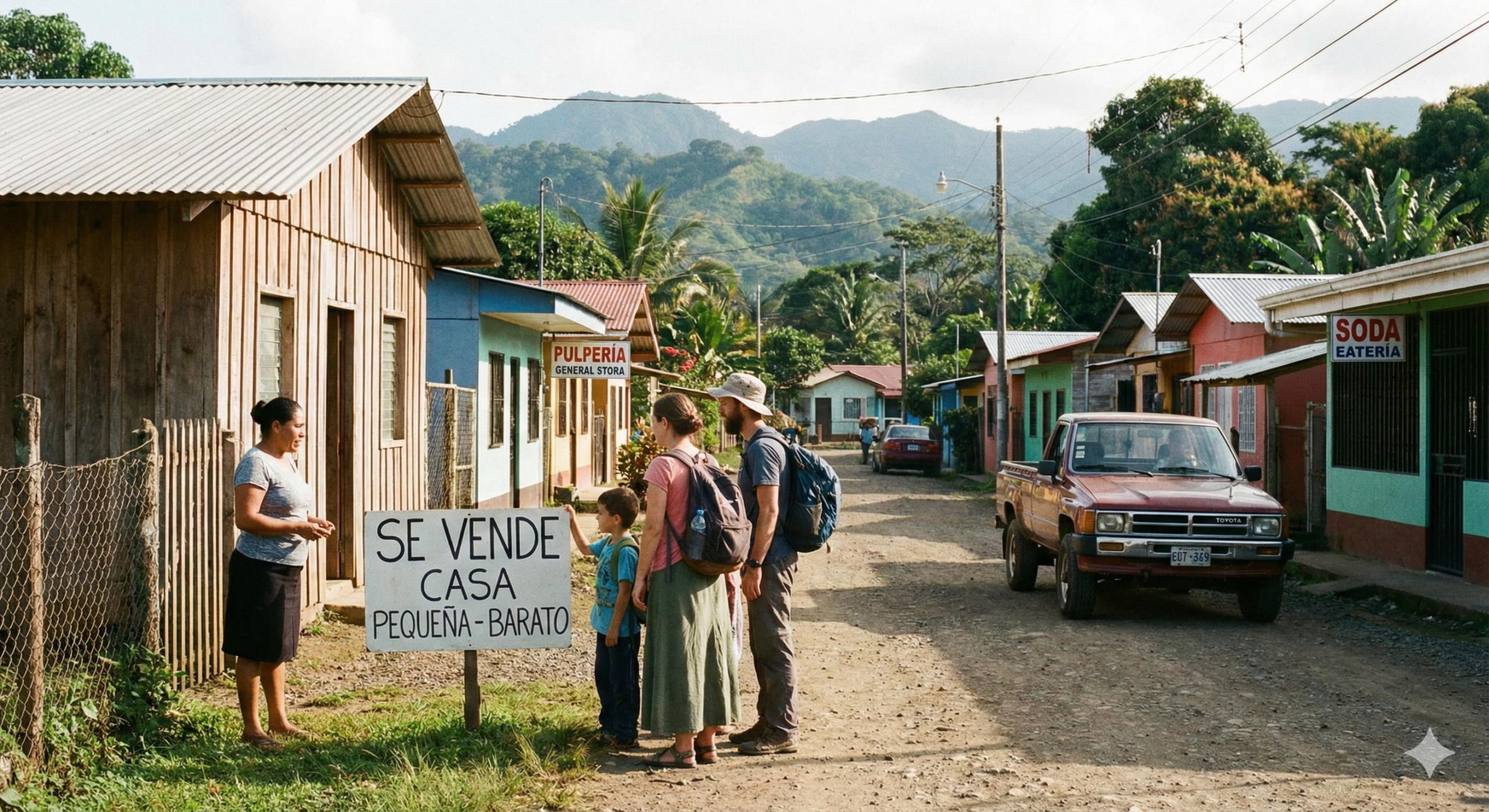
Dreaming of tropical living, palm trees, and a slower pace of life? You’re not alone. Costa Rica has become one of the top destinations for international homebuyers looking to relocate, retire, or invest in a slice of paradise. With its political stability, breathtaking natural beauty, welcoming culture, and focus on sustainability, it’s easy to see why. But one common question keeps popping up: Can you really buy property in Costa Rica with a $150,000 budget?
The short answer is yes — but you’ll need to adjust your expectations and be open to exploring lesser-known areas. In recent years, Costa Rica’s real estate market has seen steady growth, particularly in coastal hotspots like Tamarindo, Santa Teresa, or Nosara, where prices have skyrocketed. At this budget, a beachfront villa is likely off the table.
However, that doesn’t mean you’re out of options. With $150,000, you can still secure a solid foothold in Costa Rica, whether you’re looking to live full-time, spend part of the year here, or make an income-generating investment. The key is knowing where to look, what compromises to make, and which strategies to apply.
In this article, we’ll walk you through what’s actually possible in the Costa Rican market with $150,000. We’ll explore accessible regions, smart real estate choices (homes, land, condos), and ways to stretch your dollar without sacrificing your dream. Whether you’re seeking simplicity, adventure, or a smart financial move, you’ll find practical, honest advice here to help you move forward with confidence.
So, ready to explore what your budget can truly buy in paradise? Let’s dive in.
Areas Where $150,000 Still Buys You Property
In real estate, location is everything. And that’s especially true in Costa Rica, where prices can vary dramatically from one town to the next. With a budget of $150,000, you won’t be buying in the country’s most hyped beach towns — but if you’re open-minded, there are still plenty of gems to discover.
Let’s start with a reality check. Popular spots like Santa Teresa, Tamarindo, Nosara, or Manuel Antonio have become quite pricey. In these areas, even fixer-uppers can go for well over $250,000. If you’re fixated on those places, $150K won’t go far.
But here’s the good news: Costa Rica has dozens of other regions where your money stretches a lot further. One smart choice is the Central Valley, which includes towns like Grecia, Atenas, San Ramón, and Orotina. These towns are within an hour or two of San José and the international airport, have pleasant year-round weather, and decent infrastructure. You can still find 2–3 bedroom homes in this budget, often with gardens, views, and in walkable communities.
Prefer the coast? Look east. The Caribbean coast, especially Puerto Viejo, Cahuita, or even Manzanillo, still offers reasonable prices. You’ll find rustic homes, small bungalows, or even land to build on — all within a few minutes of the beach. It’s a more laid-back, Afro-Caribbean vibe, with rich culture and lush jungle surroundings.
Also worth exploring: Northern Costa Rica, especially around La Fortuna, Tilarán, and Nuevo Arenal. This area boasts lake and volcano views, eco-tourism attractions, and a slower pace of life. Property prices remain relatively low, and there’s huge potential for nature lovers or eco-investors.
Bottom line: if you’re flexible with location and not fixated on tourist hotspots, $150,000 can absolutely get you started in Costa Rica.
The Trade-Offs You’ll Need to Consider at This Price Point
Let’s be honest: you can’t have it all for $150,000. But that doesn’t mean you can’t have something great. The key is understanding which compromises you’re willing to make — and which ones you’re not.
First trade-off: property size and condition. At this budget, don’t expect luxury. You’re looking at modest 2-bedroom homes, sometimes older, possibly in need of upgrades. That said, many are move-in ready or can be spruced up affordably. Think charm and potential over polish and perfection.
Second, the exact location. You’ll likely need to step back from the beach. Beachfront property is premium, but if you’re okay being a short drive away — say 10 to 15 minutes — you’ll get a lot more value for your money. Many buyers end up preferring this setup for the peace and lower humidity.
Third compromise: construction style and finishings. In this budget, homes may have tin roofs, older tile floors, or no AC. Some may lack hot water in all taps. But that’s common here and can often be updated over time. Prioritize structure and location over cosmetic features.
Fourth, some homes may need renovation. Nothing major, necessarily — but a paint job, a new kitchen, or upgraded plumbing might be in the cards. Budget a few thousand dollars for post-purchase fixes just in case.
Lastly, you may need to shift from the idea of a single-family home to a condo or shared community. Condos often offer more amenities — pools, gardens, security — and less hassle with maintenance. They’re also ideal if you plan to rent the unit when not using it.
So yes, there are compromises — but also smart ways to work with your budget. You’re not just buying a property — you’re buying a lifestyle shift. And with the right mindset, $150,000 can go further than you think.
House, Land, or Condo? Choosing the Best Strategy
So, with $150K in hand, what should you aim for — a ready-made house, a piece of land, or a condo? Each has pros and cons, and the best choice depends on your goals, timeline, and how involved you want to be.
Let’s start with buying an existing house. It’s the simplest route — buy it, move in, or rent it out. With this strategy, you avoid building permits, waiting times, or construction surprises. Many homes in this range are basic but livable, especially in less touristy areas. Just be sure to do a thorough home inspection, especially on older properties.
Next option: buying land and building. This approach offers full customization — build the home of your dreams, your way. In areas like the Central Valley or Northern Zone, you can still find lots for $40,000–$80,000. That leaves a decent budget for building — although costs vary. Construction in Costa Rica averages around $1000/m² ($93/ft²) for decent quality. Make sure the land has water access and legal building permits (“uso de suelo”).
Now let’s talk condominiums. These are very popular with expats — and for good reason. With $150,000, you can find 1- or 2-bedroom condos in Jacó, Playas del Coco, Uvita, or even near San José. Condos often come with shared pools, security, gardens, and property management — perfect for part-time residents or those who want hassle-free living. Working with an experienced real estate agency like Crespo Agency can help you identify trustworthy developments with good ROI potential.
Ultimately, it comes down to this: if you want simplicity, go with a condo or small house. If you want control and have time, land can be a great path. Either way, Costa Rica’s market offers plenty of room to make your $150,000 count — it’s just a matter of choosing the strategy that fits you best.
How to Avoid Common Mistakes When Buying in Costa Rica
Buying property abroad can be thrilling — but if you’re not careful, it can also go sideways fast. Let’s walk through the biggest mistakes buyers make in Costa Rica, so you can sidestep them with confidence.
Mistake #1: Not using a real estate attorney. Always, always hire a local attorney who specializes in property law. They’ll check the title in the national registry, confirm there are no liens, and ensure the seller actually owns what they’re selling. Skipping this step can lead to massive problems.
Mistake #2: Ignoring zoning laws. Just because a property is for sale doesn’t mean you can build on it. Costa Rica has strict zoning regulations — especially in coastal and rural areas. Always confirm “uso de suelo” (land use) before buying land.
Mistake #3: Underestimating closing costs. Expect to pay 3–5% in legal fees, notary costs, transfer taxes, and registration fees. If you’re buying a condo, factor in monthly HOA fees too.
Mistake #4: Buying too remote. Yes, the jungle is magical — but if the nearest clinic is an hour away or the roads wash out in rainy season, your dream life might get old fast. Make sure basic amenities — groceries, medical care, internet — are accessible.
Mistake #5: Falling for “too good to be true” deals. A $30,000 ocean-view lot? A condo with “guaranteed 15% returns”? Be skeptical. Ask for proof. Walk away if things feel off. Use licensed professionals, and don’t rush.
The takeaway? Buying here is safe if you take your time and work with professionals. Do your due diligence, ask questions, and keep your excitement in check until the deal is done.
Making the Most of Your Budget: Smart Investor Tips
Got $150K? Great — now let’s make it work as hard as possible. Whether you’re looking for a lifestyle property or an investment, here are some real-world strategies to help you stretch every dollar.
1. Buy to rent. Rental demand is strong in Costa Rica, especially in tourist zones or expat communities. A small condo near the beach can rent well on Airbnb — and help pay for itself. Look for areas with steady year-round tourism, like Jacó, Coco, or Uvita.
2. Team up with others. If $150K isn’t enough for what you want, consider co-investing. Friends or family can pool funds to buy a multi-unit property or a large piece of land to split. Just make sure everything’s in writing, with a local attorney involved.
3. Fix-and-flip potential. Handy or willing to learn? Buy a tired house at a discount, renovate, and either rent or sell for a profit. Many older homes in Costa Rica just need cosmetic upgrades to shine.
4. Pre-construction deals. Some developers offer discounts if you buy early. It comes with risks — delays, unfinished projects — but also real upside. Research developers carefully and get legal guidance.
5. Think long-term. Your first property doesn’t have to be your forever home. It could be your beach base, a part-time rental, or a stepping stone. The point is to get into the market smartly, build equity, and grow from there.
Costa Rica rewards creative, informed investors. Even on a modest budget, there’s room to grow — if you approach it with vision and caution.
Conclusion
Buying real estate in Costa Rica with a $150,000 budget is absolutely possible — and for many, it’s the beginning of a life-changing journey. While that figure might not get you a luxury estate, it can open the door to a comfortable home, a strategic rental, or a piece of land with serious future potential.
The secret is in choosing the right region, understanding the local real estate dynamics, and knowing where compromises make sense. Don’t try to copy someone else’s plan — build yours, based on what matters most to you.
Also, don’t go it alone. Lean on trusted professionals — attorneys, inspectors, real estate agents — who know the market and will protect your interests. Agencies like Crespo Agency can help you navigate safely, avoid mistakes, and find true value.
Whether your goal is to live full-time, invest wisely, or simply have your own place in paradise, Costa Rica still offers solid opportunities — especially if you move with clarity and purpose.
So maybe it’s time to stop dreaming and start planning. That $150,000 in your account? It might just be your ticket to a new life in the tropics.

Join The Discussion