Introduction
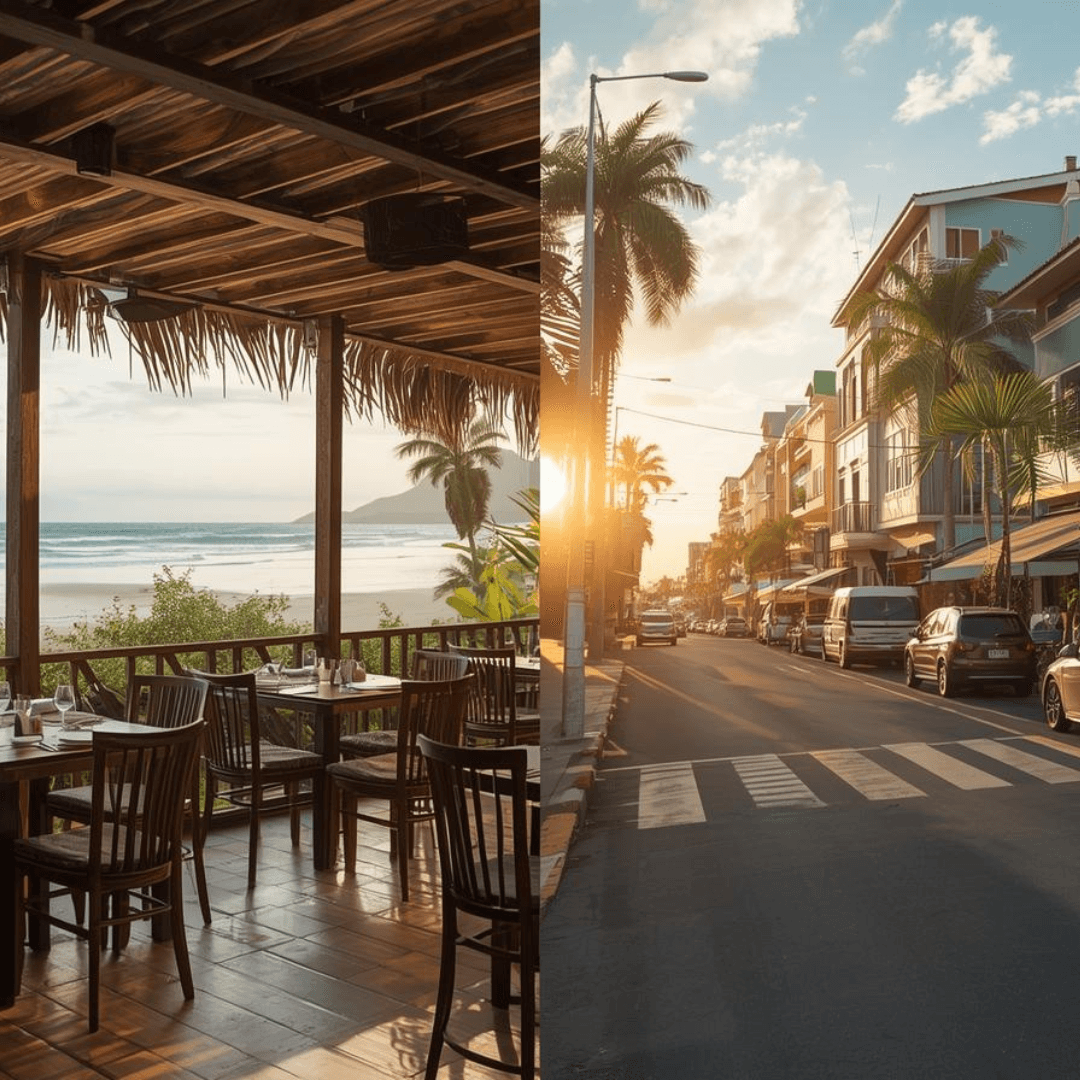
Buying a restaurant or a hotel in Costa Rica — sounds like a dream, right? Picture yourself running your own business by the beach, surrounded by palm trees and welcoming tourists from around the world who are looking to disconnect from the stress of daily life. Every year, thousands of investors are drawn to this Central American paradise, not just for its beauty but also for its political stability, openness to foreigners, and massive tourism potential. But don’t be fooled: it’s not all sunshine and cocktails.
Whether you’re from the U.S., Latin America, or Europe, this type of investment can be an amazing opportunity… if you prepare properly. Buying a hotel or restaurant in Costa Rica is not something to rush into. The market is unique, and while it’s incredibly appealing, it also comes with its own risks — especially if you skip the research, ignore the local laws, or fail to work with qualified professionals.
In this article, we’ll cover everything you need to know: common scams to watch out for, realistic pricing, why renting might be a smart move, the importance of professional guidance, and how to truly understand the local market. Our goal? To give you a clear, honest, and practical roadmap to help you make a smart, safe, and profitable investment.
So, are you ready to find out what it really takes to buy a hotel or restaurant in Costa Rica? Want to avoid rookie mistakes and make the most of your money and energy? Let’s dive in — no fluff, just facts.
Why Costa Rica is So Attractive to Foreign Investors in Hospitality and Food
Costa Rica has a well-earned reputation as a tropical paradise. With over 2 million international tourists visiting each year — many from the U.S. and Canada — it offers stunning beaches on both the Pacific and Caribbean coasts, exceptional biodiversity, and a stable democracy. No wonder it’s become a hotspot for investors.
Hospitality and food services are among the most promising sectors for foreigners. There’s steady demand for all types of businesses: boutique hotels, eco-lodges, hostels, casual cafés, gourmet restaurants, beach bars, you name it.
One big plus? Foreigners have the same property rights as Costa Rican citizens. You can purchase real estate under your own name or through a local corporation. No need for residency or citizenship. In fact, Costa Rica actively encourages investment in tourism-related ventures, especially those that generate jobs and contribute to local development.
There are still plenty of opportunities available. While hot spots like Tamarindo, Santa Teresa, and Manuel Antonio have become pricey, there are other regions — such as the Caribbean coast, the northern lowlands, or the southern Pacific — where prices are more reasonable and long-term potential is strong.
Costa Rica also has great infrastructure, a year-round warm climate, a friendly population, and a global reputation for safety and sustainability. It’s the perfect setting to launch a restaurant or hospitality business.
But be careful: beautiful scenery doesn’t guarantee a profitable venture. Success requires a deep understanding of the local market, clear strategy, and the ability to navigate Costa Rica’s unique business landscape. Mistakes can be costly — especially for foreign investors unfamiliar with the terrain.
That’s why preparation, research, and trusted local support are absolutely essential before jumping in.
Watch Out for Scams: Common Mistakes to Avoid When Buying
Let’s be real: buying a restaurant or hotel in Costa Rica can go south fast if you’re not careful. Scams and bad deals are out there — and sadly, many foreigners fall for them. Here are some of the most common traps you need to avoid.
First, beware of sellers who aren’t fully honest. Some will inflate the business value, hide debts, or fail to disclose legal or structural problems with the property. Always request full, verified financial records, and have a comprehensive due diligence conducted. Don’t go solo — hire a local real estate attorney who knows the ins and outs of Costa Rican law.
Second, watch out for unclear property titles. This is especially common near the coastline. Some properties are “untitled” or under concession. If you buy without confirming the property is properly registered at the National Registry, you could lose your rights to it entirely. Always double-check that the property is free of liens, disputes, or encumbrances.
Third, never underestimate the importance of permits and bureaucracy. You’ll need to establish a legal entity, get health permits, municipal licenses, alcohol licenses, tourism permits… It’s not just about signing a contract. Every step matters, and each has legal requirements.
And then there are the “amazing deals” that sound too good to be true. If something is listed far below market price, there’s usually a reason — legal problems, bad location, no permits, or hidden costs. Never rely only on photos or sweet-talking sales pitches.
Your best protection is to surround yourself with qualified professionals: a lawyer, an accountant, an engineer for property inspection, and a certified real estate agent. Their local knowledge is your insurance policy.
Remember: you’re operating in a foreign country, with different rules, languages, and business customs. The biggest risks come from what you don’t know. So slow down, ask the hard questions, and never sign under pressure. A good investment will still be there tomorrow.
Should You Buy or Rent First? It Depends on Your Plan
Here’s a question you need to ask yourself before buying: should you rent first? In many cases, renting a business — rather than buying it outright — can be a smarter, safer way to start.
Renting an existing hotel or restaurant (known locally as a “traspaso”) is actually common in Costa Rica. And for good reasons. First, it’s far less expensive upfront. You won’t need to drop hundreds of thousands of dollars from day one. It’s a great way to test the waters with a smaller initial investment.
Second, renting offers flexibility. You can try out a tourist area, learn how the local market works, experience the high and low seasons, and figure out if the Costa Rican lifestyle is really for you — all without locking yourself into a long-term commitment.
Of course, renting has its downsides. You don’t own the property, so you’re not building long-term equity. And lease terms vary widely. Some landlords ask for high rent, strict contract clauses, or demand that you invest in upgrades. Always have a lawyer review the lease before signing anything.
But for newcomers, renting first is often a smart move. It gives you time to build your local network, understand your customers, and adjust your business model before going “all in.”
Plus, let’s be honest: running a hospitality business in Costa Rica isn’t a permanent vacation. It’s daily operations, staff management, dealing with suppliers, maintenance… real work. Renting lets you ease into that reality without too much financial pressure.
So, if you’re still in the early stages of planning, consider renting a restaurant or hotel first. It’s a great way to start small, learn fast, and avoid major regrets.
What Does It Really Cost? Realistic Prices in Costa Rica
One of the first questions people ask is: How much does it actually cost to buy a hotel or restaurant in Costa Rica? The answer? It varies — a lot. Prices depend on location, size, condition, revenue history, and whether the business is turnkey or needs work.
Let’s start with restaurants. In smaller beach towns like Sámara, Montezuma, or Dominical, you might find a functioning restaurant for $60,000 to $150,000 USD. In more competitive areas like Tamarindo, Santa Teresa, or Manuel Antonio, prices easily jump to $200,000 to $500,000 USD or more, depending on location and customer base.
For hotels, the range is even wider. A small bed & breakfast (4–6 rooms) might cost between $200,000 and $350,000 USD. A well-reviewed eco-lodge in a remote area could run $500,000 to $800,000 USD. Larger properties — say 10 to 20 rooms, with a pool, restaurant, and tourism license — often start at $1 million and can go up to $3 million USD or more.
And if you want to build from scratch, be prepared for high construction costs. Land isn’t cheap anymore, and building materials, permits, and labor costs have gone up significantly in recent years.
Also, don’t forget about extra fees: legal costs, notary fees, 3.5% property transfer tax, real estate agent commissions, renovations, licensing, utility upgrades — they all add up.
And here’s a tip: don’t trust list prices blindly. Some properties are overpriced. Others might be off-market or privately offered at better terms. That’s why working with a local expert like Crespo Agency can save you money — and headaches. They know what’s really happening in the market and can help you identify solid opportunities.
Bottom line: real estate in Costa Rica isn’t cheap, but with the right support and strategy, it can be a very smart investment.
Surround Yourself with Experts and Study the Market Carefully
If you’re serious about buying a hotel or restaurant in Costa Rica, then one thing is non-negotiable: do your homework and build a reliable local team.
Start by analyzing the tourist flow in your area of interest. Who visits there? Backpackers? Digital nomads? Retired couples? Surfers? Families? Your business model must match the clientele. A luxury hotel might thrive in Nosara, while a casual bar may do better in Puerto Viejo.
Next, understand seasonality. Costa Rica has a dry high season (December to April) and a rainy low season (May to November). There are also peak times like Holy Week or North American holidays. Can your business stay afloat during the low months? Do you have the cash flow to handle slow seasons?
Also, think about your support team. You’ll need a bilingual attorney, an accountant who understands Costa Rican tax law, maybe a contractor or engineer, and definitely a real estate professional who understands the tourism market. Partnering with agencies like Crespo Agency can be a game-changer — they do more than sell; they advise, protect, and guide you through each step.
Talk to other expats who’ve done it. Join online groups. Visit local business events. The more you learn from real experiences, the fewer mistakes you’ll make.
Finally, be honest with yourself. Are you experienced in hospitality? Do you speak some Spanish? Are you willing to be hands-on, or will you hire a manager? If you’re new to this, it’s even more important to start small and grow wisely.
Success in Costa Rica doesn’t come from luck. It comes from understanding the culture, knowing the market, and building a strong, honest team. The good news? With the right strategy, you can absolutely thrive here.
Conclusion
Buying a hotel or restaurant in Costa Rica is more than a financial move — it’s a lifestyle change. And like any big life change, it requires thought, research, and serious planning. This isn’t just about chasing a tropical dream; it’s about building a sustainable, profitable venture that works long-term.
The good news is that Costa Rica offers excellent opportunities. The country is beautiful, welcoming, and pro-investment. But there are also real challenges — from bureaucracy and competition to seasonal slowdowns and cultural differences. Jumping in unprepared can be risky.
That’s why it’s so important to slow down, visit in person, get to know the regions, and build strong local relationships. And above all, surround yourself with trustworthy professionals — like the team at Crespo Agency — who can walk with you every step of the way: from property search to permits to full business setup.
Costa Rica can absolutely be the setting for your next great adventure. But like any real business, it demands clarity, patience, and strategy. Done right, the rewards can be incredible: freedom, lifestyle, income, and the chance to live your dream.
So… are you ready to make it happen?



Join The Discussion