Introduction
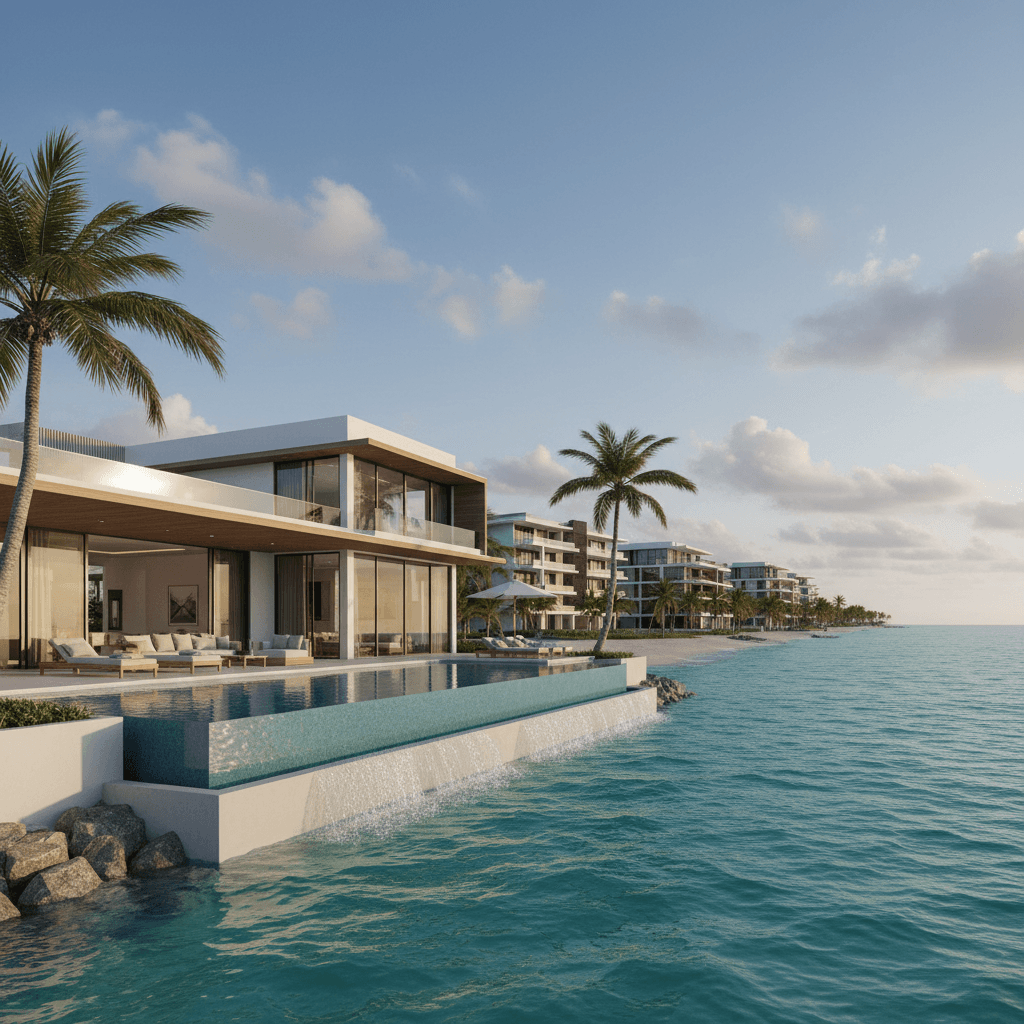
In recent years, the Dominican Republic has emerged as one of the Caribbean’s hottest real estate markets, drawing interest from global investors and lifestyle buyers alike. With its stunning white-sand beaches, tropical weather year-round, growing infrastructure, and strong tourism industry, the country has become a true magnet for people seeking both high returns and an exceptional quality of life.
But beyond the picture-perfect coastline and lush landscapes, what’s really turning heads is the country’s booming real estate market. Compared to saturated and increasingly expensive markets like the U.S., Europe, or even neighboring Costa Rica, the Dominican Republic still offers affordable prices, attractive yields, and straightforward purchase procedures for foreigners.
Whether you’re a seasoned investor looking to diversify your portfolio, a digital nomad dreaming of ocean-view living, or a retiree ready for your tropical chapter, the opportunities here are real and growing. The government actively welcomes foreign investment, the rental demand is rising sharply thanks to booming tourism, and lifestyle perks like low taxes and laid-back island vibes make it even more appealing.
This comprehensive article breaks down the Dominican Republic’s real estate scene in plain English. We’ll look at who’s investing, who’s buying homes, what the legal process looks like, and how prices stack up against a regional rival: Costa Rica. Plus, you’ll get practical advice to move forward safely and confidently.
Ready to find out if the Dominican Republic truly is the real estate El Dorado you’ve been looking for? Let’s dive in.
Investor Profile: Who’s Betting on the Dominican Republic?
The Dominican Republic has quickly become a favorite destination for real estate investors from around the globe. Whether it’s beach condos, resort villas, or commercial spaces, foreign capital is flowing into the country at a record pace — and it’s not hard to see why.
One of the largest groups of investors comes from North America, especially the U.S. East Coast and Canada. Direct flights, short travel time, and zero jet lag make the Dominican Republic extremely accessible. Add to that a lower cost of living and rental yields averaging 6–10% in tourist areas, and you’ve got a compelling investment case. These buyers are looking for vacation rentals that pay for themselves when they’re not being used.
Next up, we see growing interest from European buyers, particularly from Spain, France, Germany, and Italy. Some are drawn by the shared language (Spanish), others by the tax perks. Since there’s no wealth tax and low property taxes, real estate in the DR offers a smart way to secure capital outside the EU. Many are semi-professional investors purchasing their first beach property abroad, with plans to use and rent it part-time.
There’s also a significant influx from Latin America, especially countries facing political or economic instability like Argentina, Colombia, or Venezuela. For these buyers, the Dominican Republic is not just a sunny place to vacation — it’s a safe haven for their money, in a culturally familiar and friendly environment.
What’s the typical investor like today? They’re between 35 and 65 years old, they want asset diversification, they see the potential in short-term rentals, and they want to use the property themselves a few weeks a year. This new wave of investors isn’t just chasing ROI — they’re also investing in lifestyle.
Buyer Profile: Retirees, Digital Nomads & Families Seeking Sun
Real estate in the Dominican Republic isn’t just for seasoned investors — far from it. More and more individual buyers are entering the market, driven by lifestyle changes, remote work, early retirement, or simply the desire for a fresh start in the sun.
One of the most active buyer groups today? Foreign retirees. Many are coming from the U.S., Canada, and Europe in search of better weather, lower costs, and a more relaxed pace of life. In beach towns like Las Terrenas, Sosúa, or Punta Cana, it’s still possible to buy a beachfront condo or villa with a private pool at a fraction of what it would cost in Florida or the Mediterranean. Plus, domestic help and healthcare are surprisingly affordable.
Then we’ve got the growing tribe of digital nomads — remote workers who can do their jobs from anywhere. With the Dominican Republic’s improving internet infrastructure and global connectivity, it’s become a serious contender for remote professionals in tech, marketing, consulting, and creative fields. These buyers are typically looking for modern condos near the beach with great Wi-Fi, coffee shops, coworking spots, and a vibrant social life.
Let’s not forget young families choosing to relocate for lifestyle reasons. Whether it’s for a sabbatical, permanent move, or just a few years abroad, many families are drawn to the DR for its safety, international schools, outdoor activities, and multicultural environment. Places like Santo Domingo, Cap Cana, and Cabarete are especially attractive to expat families.
And then there are the “lifestyle buyers” — people who aren’t thinking too much about rental income or capital gains. They just want a place they can escape to, relax, and eventually pass on to their kids. For them, a home in the DR represents freedom, peace of mind, and quality of life.
This diversity of buyers helps keep the market resilient and lively. It’s not just speculators or developers — it’s people like you and me, investing in a new way of living. And with strong community support for foreigners, it’s easier than ever to make that dream a reality.
Buying Process: Easy for Foreigners, but Watch the Fine Print
Thinking of buying property in the Dominican Republic? You’ll be glad to know that foreigners can buy property just like locals — no citizenship or residency is required. The buying process is straightforward, but it’s crucial to understand the steps to avoid costly mistakes.
First, the basics: there are no restrictions on foreign ownership, and you can buy property in your own name or through a local company if needed. Most transactions start with a “Promise of Sale” (Promesa de Venta) — a preliminary agreement that includes a deposit (usually around 10% of the purchase price). This reserves the property and outlines the conditions of the final sale.
Next comes the final purchase agreement, which is signed in front of a notary and submitted to the Land Registry to officially transfer the title. This is where having a trusted local attorney is absolutely essential. They’ll ensure the title is clean, confirm property boundaries, and check that taxes and fees are paid.
Speaking of costs, expect to pay around 3%–5% of the property value in closing costs, which includes legal fees, notary fees, and registration taxes. Annual property taxes are low — properties valued under ~$150,000 USD are exempt, and even higher-end properties pay just 1% annually.
But be careful: not all properties are created equal. Make sure the title is clear, especially in rural or beach areas where land ownership can be tricky. Watch out for pre-construction deals without permits, or resale homes with outdated utilities or shared titles.
This is where working with a trusted agency matters. For example, Crespo Agency partners with experienced local lawyers, notaries, and bilingual agents to walk you through the process and protect your investment. They know which questions to ask, what documents to check, and how to avoid the common traps.
In summary, buying property here is absolutely possible — even remotely. But like any investment abroad, it’s all about due diligence, local expertise, and a bit of patience. If you’ve got those, the process can be surprisingly smooth.
Prices vs. Costa Rica: Where’s the Best Value?
One of the first questions smart buyers ask is: How do Dominican property prices compare to other top spots like Costa Rica? The short answer? The Dominican Republic still offers far better value for money.
Let’s look at some real examples. In Punta Cana or Las Terrenas, you can still find brand-new beachfront condos starting at $120,000 to $150,000 USD. Want a spacious 3-bedroom villa with a pool in a gated community? You’re looking at $250,000 to $400,000, depending on the finishes and location.
Now compare that to Costa Rica. In high-demand areas like Tamarindo, Santa Teresa, or Nosara, similar homes can easily run $500,000 and up, especially if you want ocean views or walkable beach access. Costa Rica is beautiful, no doubt — but it’s become a mature, saturated market where entry-level investment is no longer easy.
And it’s not just the price tag. The cost of ownership — including maintenance, property management, HOA fees, and property taxes — is significantly lower in the Dominican Republic. Add in cheaper labor, groceries, healthcare, and domestic services, and the overall cost of living is 20–30% lower than in Costa Rica.
Rental income potential is another key point. The Dominican Republic, especially areas like Punta Cana and Bávaro, enjoys strong year-round tourism, a wide international airport network, and fast-growing visitor numbers. All of that means high demand for vacation rentals — and better returns on your investment.
Plus, the Dominican government actively encourages tourism and foreign investment, investing in infrastructure and cutting red tape for property buyers. Costa Rica, on the other hand, has seen stricter regulations, more bureaucracy, and higher upfront costs in recent years.
Bottom line? If you want solid growth potential, excellent rental returns, and an easier entry point into Caribbean real estate, the Dominican Republic wins hands down. It’s not just cheaper — it’s smarter.
Why Now Is the Right Time to Invest
Wondering if you should invest now or wait a year or two? Here’s the deal: now is the perfect time to invest in the Dominican Republic. The stars have aligned in several key ways.
First, the market is still growing, but not overheated. Prices are rising, but there’s still room for appreciation. If you buy now, you’re getting in before the next big wave, especially in up-and-coming areas that are still underpriced.
Second, tourism is booming. The Dominican Republic has broken records for visitor numbers post-COVID, and new hotels, resorts, and flights are being added constantly. That’s great news if you’re planning to rent out your property, whether short-term on Airbnb or longer-term to digital nomads or snowbirds.
Third, the government is all-in on foreign investment. Infrastructure projects like airports, highways, international schools, and hospitals are underway in several regions. This builds long-term value for real estate and supports growing expat and tourist populations.
Fourth, the trend toward remote work and lifestyle relocation is here to stay. People want to live in warm, welcoming places with lower stress, lower taxes, and better quality of life. The Dominican Republic ticks all those boxes, and savvy investors are already moving in.
Finally, as demand rises, supply is tightening. Many of the best properties are being snapped up by international buyers, and new projects are selling out faster. Waiting could mean higher prices and fewer options.
So if you’ve been watching from the sidelines, now is the time to act. The combination of value, lifestyle, stability, and return potential makes the Dominican Republic one of the smartest real estate plays in the Caribbean today.
And if you’re not sure where to start? Work with trusted experts, ask the right questions, and take the first step. It might just be the best move you make this decade.
Conclusion
So, is the Dominican Republic truly the new real estate El Dorado? All signs point to yes. With accessible prices, strong rental returns, a favorable legal environment for foreigners, and stunning Caribbean beauty, the country checks all the boxes.
Compared to destinations like Costa Rica, the DR offers better value for money, easier entry, and more room for growth. Whether you’re looking for a vacation home, an income-generating property, or a long-term relocation destination, you’ll find excellent options in this vibrant market.
But like any smart investment, the key is to act with knowledge and guidance. Work with local experts, do your due diligence, and stay clear of shortcuts. The opportunities are real, but so are the risks — and the right team makes all the difference.
If you’ve ever dreamed of owning a piece of paradise, now’s the time to turn that dream into a smart decision. The Dominican Republic isn’t just a great place to visit — it could be your next great move.

Join The Discussion