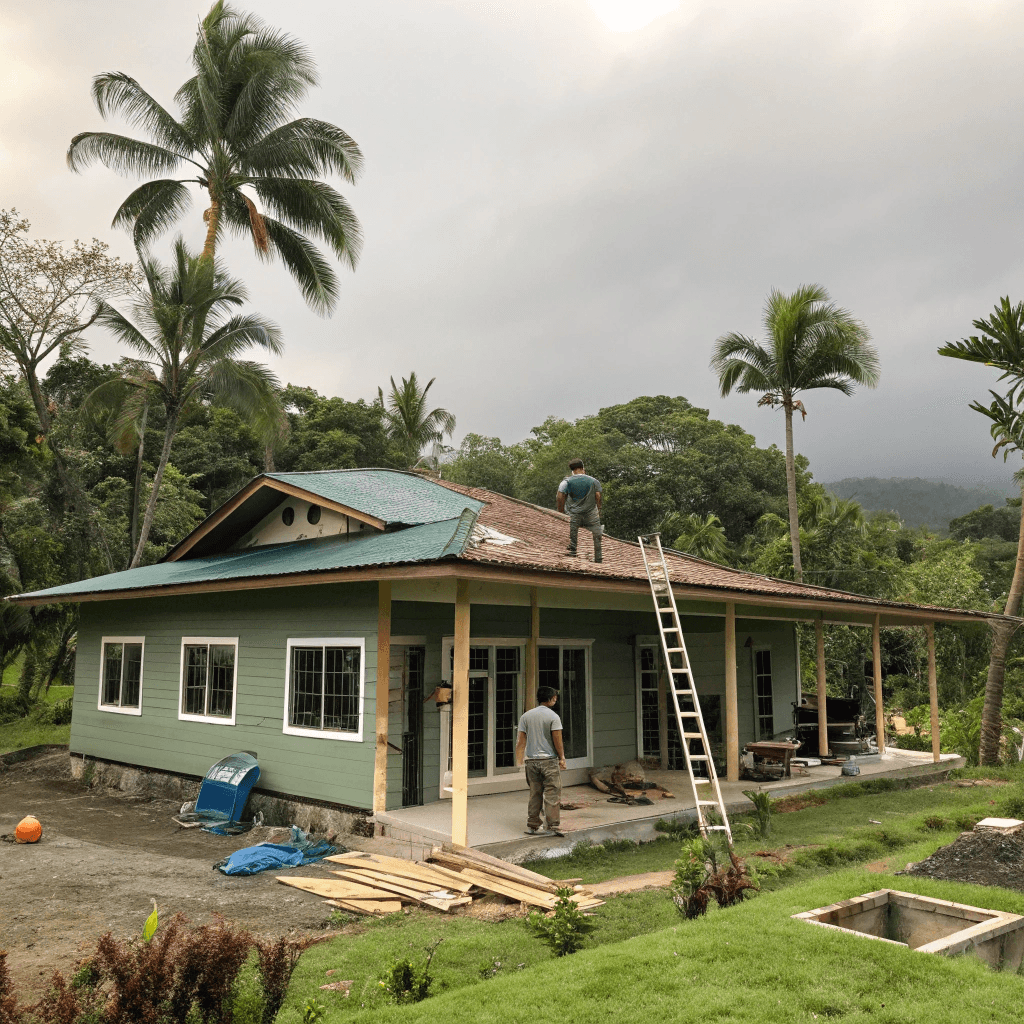
Restoring a Property in Costa Rica: What You Need to Know Before You Start
Introduction
Buying a property to restore in Costa Rica sounds like a dream, doesn’t it? Maybe you picture a charming colonial house with ocean views, or a rustic cabin tucked away in the jungle, just waiting for a second life. For many buyers from Europe, North America, and South America, this is a real goal — combining investment with lifestyle, and tropical beauty with personal vision. But before diving headfirst into your renovation project, it’s essential to understand that things work differently here than in your home country.
Why all the caution? Because building practices, regulations, material sourcing, and timelines in Costa Rica often don’t match those in Europe or the U.S. You might run into skills gaps, unexpected delays, fluctuating prices, and a few surprises when it comes to local materials. On top of that, language barriers and cultural differences can make even simple decisions more complicated than you’d expect.
That said, restoring a property here is still absolutely worth it — if you’re well-prepared and well-supported. This guide is designed to walk you through everything you need to know. We’ll cover differences in craftsmanship, time management, delivery challenges, material quality, pricing strategies for foreigners, and why having local guidance is often the secret to success.
So, are you ready to bring your Costa Rican dream home to life? Let’s dive into the practical side of restoration and help you avoid the most common pitfalls.
Differences in Skills Compared to Europe and North America
One of the first shocks new buyers face when restoring a home in Costa Rica is realizing how different the local building standards can be. Let’s start with the workforce. Local workers, known as maestros, are often very handy and resourceful. They’ll do everything from plumbing to electrical to tilework. But here’s the catch — while they may be versatile, they often lack the kind of formal training or certifications you’d expect back home.
In Europe or North America, for example, an electrician or plumber typically has to go through years of regulated training, apprenticeships, and licensing. In Costa Rica, many skilled tradespeople learn on the job. That doesn’t necessarily mean they’re unqualified — many are incredibly talented — but it does mean you need to ask questions, check references, and be extra diligent when hiring.
You’ll also find that construction norms don’t always align with international standards. Want to install a state-of-the-art AC system, solar panels, or reinforced roofing? You’ll need to explain things clearly, because these technologies or methods might not be common practice here.
Miscommunications can easily happen, especially when there’s a language or cultural gap. This is where working with someone bilingual — or someone who understands both your expectations and how things operate locally — is crucial.
The best approach? Work with teams recommended by other expats or trusted local agencies. Hiring an architect or project manager who bridges the cultural gap can save you time, money, and major headaches.
Also, expect a different rhythm. Workdays are structured differently, breaks are longer, and things just move at a slower pace. That’s not a lack of professionalism — it’s part of the pura vida lifestyle. You’ll need patience, but if you stay flexible, your project will progress.
Time Management: Be Ready to Rethink Your Schedule
Thought you could renovate your new home in three months? Think again — it’ll probably take six, maybe even nine. Managing time in Costa Rica is its own kind of art form, and delays are simply part of the process. They’re not necessarily a sign of incompetence; they’re just a reality of how things work here.
Why the delays? Tropical rainstorms, supply chain issues, national holidays, road closures, or workers taking time off for family matters — they’re all normal occurrences. So if you’re used to strict timelines and tight schedules, this can be a challenge.
There’s also the issue of trade coordination. Your plumber may be waiting on the mason, who might be finishing another project or gone for a week. And when one link in the chain breaks, the whole project pauses.
So how do you deal with this? First, always double the timeline you’re given. If someone says it’ll take four months, assume eight. It’ll save you stress later.
Second, be present when possible, or hire someone you trust to manage the project on your behalf. A local architect or building supervisor is worth their weight in gold. They’ll keep things moving and coordinate between trades.
You can also install a camera system to check in on the work remotely — not perfect, but it helps you stay connected and aware of progress.
And finally, go with the flow. Delays are part of the experience. Think of it as part of embracing a slower, more relaxed way of life. If you shift your mindset, you’ll be able to enjoy the journey instead of fighting it.
Material Deliveries: Logistics You Need to Plan For
One of the biggest challenges you’ll face in your Costa Rica renovation? Materials. Getting the right materials to your site, at the right time, is a logistical dance that requires foresight, patience, and good contacts.
Let’s start with availability. Not all materials are easy to find locally. If you’re dreaming of European hardwood floors or sleek imported fixtures, you’ll probably need to order them from abroad. And with that comes customs, taxes, paperwork, delays — and extra costs.
Even local materials can be tricky. Cement, tiles, pipes, electrical components — depending on where you are, these can be out of stock or slow to arrive. In more remote areas, it’s common for suppliers to have limited options. Sometimes you’ll have to compromise on style or quality just to keep the project moving.
Delivery is another story. Bad roads, weather disruptions, or logistical bottlenecks can delay materials for days — even weeks. In the rainy season, roads can become impassable, and trucks may be unable to reach your site at all.
So what’s the solution? Plan way ahead. Order early, order extra, and always assume delays. If you’re bringing in materials from San José or even abroad, build in buffer time — lots of it.
This is where having a local pro in your corner really pays off. A well-connected agency like Crespo Agency, for instance, can help source materials, recommend reliable suppliers, and manage tricky logistics. When every day counts, having someone who knows the system can be the difference between frustration and success.
And remember, flexibility is your best friend. Sometimes you’ll have to pivot your design plan based on what’s available. But with the right mindset and some creative thinking, you’ll still get great results.
Material Quality: Some Surprises (Good and Bad)
When it comes to renovating, materials matter. And in Costa Rica, they’re a mixed bag. You’ll find excellent, durable local materials — but also some cheap, unreliable imports that may not live up to your standards.
Let’s start with the good. Costa Rica is rich in natural resources. Locally sourced tropical hardwoods like teak, almond, and cedar are strong, beautiful, and perfect for the climate. Natural stone, too, is readily available and adds an authentic local touch to any renovation.
But not everything is top-tier. Some imported products, especially from low-cost manufacturers, can be poor quality. Tiles that crack easily, low-grade paints that fade, or substandard electrical cables — they’re all out there. And if you’re not careful, you could end up paying twice: once to install, and again to replace.
What should you do? First, don’t go by price alone. Expensive doesn’t always mean better here. And cheap doesn’t always mean bad. Get your hands on samples, ask other homeowners what they’ve used, and if you’re unsure, bring in an expert.
Don’t underestimate the value of restoring original materials. Many older properties have handmade tiles, solid wood doors, or ironwork that can be salvaged and refurbished — giving your home character and saving money.
Also, expect to pay more if you want imported, high-end materials. Some international brands are available, but they cost more than they would back home. Budget for it if you’re set on a particular look or standard.
The bottom line? Learn what’s available locally, do your research, and don’t rush your choices. With smart decisions, you can renovate with quality materials and create something truly special.
Pricing for Foreigners: Watch Out for Overcharges
Let’s talk money — specifically, how much you might be charged because you’re a foreigner. It’s not something anyone loves to hear, but it happens. In Costa Rica, especially in touristy or expat-heavy areas, prices can vary depending on who’s asking.
It’s not that everyone’s trying to scam you. Sometimes it’s just an assumption that foreigners have bigger budgets. So a quote might mysteriously double, or include unnecessary extras. And if you don’t speak Spanish or understand local pricing norms, you may not even realize it’s happening.
How do you protect yourself? First, always get multiple quotes. If one seems much higher than the others, ask why. Second, try to deal directly with contractors and suppliers whenever possible — the more middlemen, the higher the risk of markup.
If you’re new to the country, it’s worth hiring someone local to help you navigate. An experienced real estate agent or architect can often tell right away if a quote is fair or inflated.
Language is also key. If you don’t speak Spanish, get help translating contracts. Misunderstandings can be expensive, and vague terms can come back to bite you later.
This is where professional support is worth every penny. Reputable local agencies will advocate for your interests, help you negotiate fairly, and keep things transparent. You’ll save more than you spend.
And don’t forget: Costa Rica is still more affordable than Europe or North America. With the right guidance, you can complete a high-quality renovation at a reasonable cost. Just stay sharp, informed, and don’t be afraid to ask questions.
Conclusion
Restoring a property in Costa Rica is more than a real estate project — it’s a lifestyle journey. From skill gaps and material delays to pricing surprises and communication challenges, you’ll face a learning curve. But don’t let that discourage you.
With the right preparation, realistic expectations, and a strong local support team, your renovation can be both successful and fulfilling. It’s all about knowing what to expect, adapting when needed, and surrounding yourself with people who understand both your goals and the local landscape.
Working with bilingual professionals who know how things operate here is a game changer. They’ll help you bridge the gap, avoid costly errors, and make smart choices — all while saving you time and stress.
And once it’s done? You’ll be waking up in your dream home, surrounded by jungle, ocean breezes, and a lifestyle that many only dream of.
Costa Rica isn’t just a place to visit. It’s a place to live — deeply, joyfully, and intentionally. Yes, restoring a home here takes effort. But if you’re up for the adventure, the rewards are more than worth it.



Join The Discussion