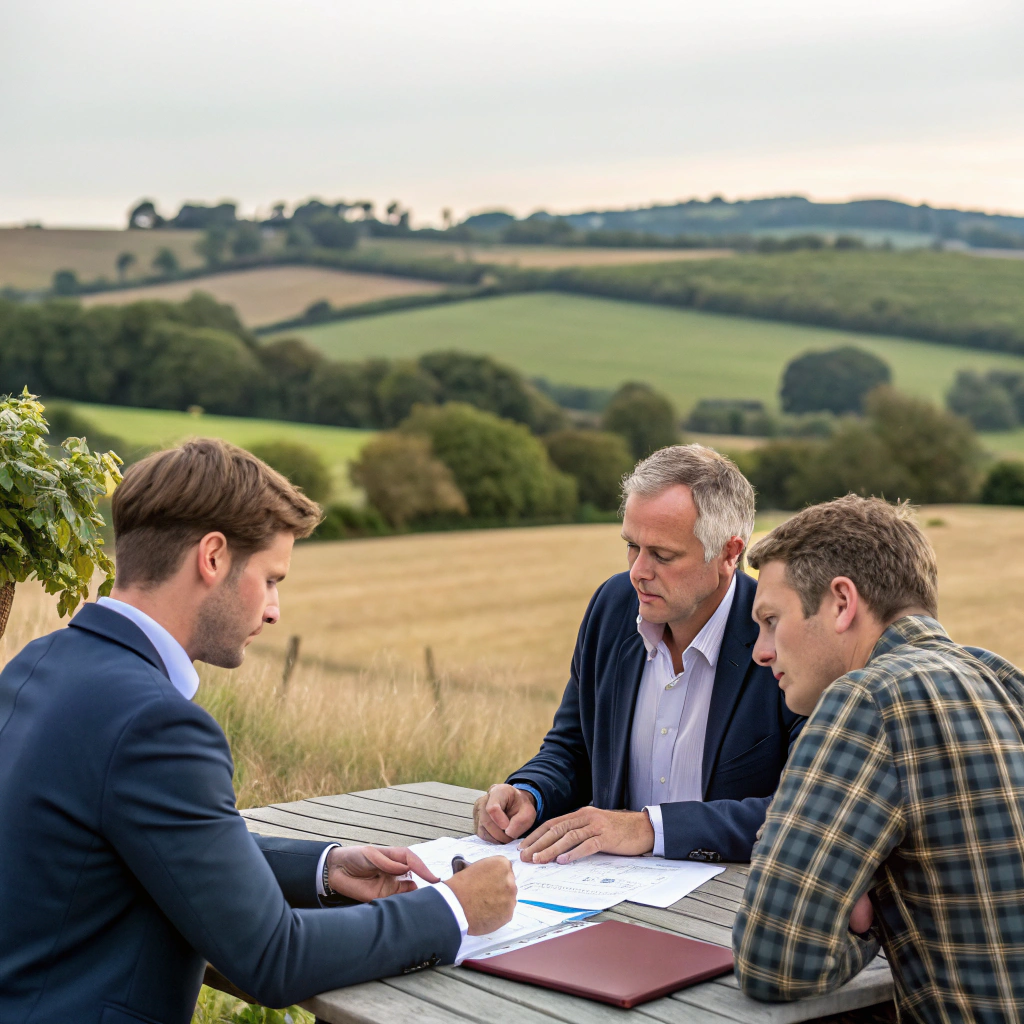
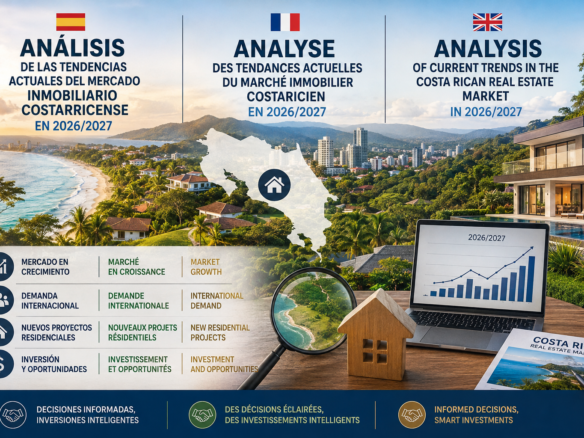
High Real Estate Prices & Negotiation Margins: Why the Price Sometimes Depends on the Buyer
Introduction
If you’ve ever considered buying a home, villa, or piece of land in Costa Rica, you’ve likely noticed something odd: why does the same property seem to have different prices depending on who’s asking? And why are listed prices often way over budget, only to become negotiable once you’re actually involved? You’re not imagining things.
The Costa Rican real estate market, while undeniably attractive for its natural beauty, relaxed lifestyle, and investment opportunities, can be confusing—especially for foreign buyers. With listing prices, off-the-record discussions, realtors hinting “this price is for a foreigner,” and sellers who “aren’t in a hurry,” the market can seem like uncharted territory.
Here’s the truth: pricing in Costa Rica is highly influenced by culture, buyer profiles, and how much wiggle room each seller gives themselves. Unlike heavily regulated markets where values are determined by strict comparables and appraisals, here, the listed price is often more of a starting point—a hopeful number—than a solid benchmark.
So why are the prices so high? Why does the asking price seem to adjust based on who’s buying? And more importantly, how can you navigate all this without overpaying or missing out? That’s exactly what we’ll explore together.
Whether you’re a seasoned investor, a retiree chasing a new lifestyle, or a couple searching for paradise, this article will give you clarity, confidence, and some seriously practical tools.
The Myth of the Listed Price: Between Illusion and Reality
In Costa Rica, the listed price of a property is often a suggestion—not a final truth. Unlike in countries like the U.S. or Canada, where pricing is usually based on recent comparable sales and professional valuations, here it can be a whole different story.
Many properties are sold directly by owners who base the price on what they feel it’s worth—or what they think a foreigner is willing to pay. Sometimes it’s emotional: “This was my father’s land.” Sometimes it’s opportunistic: “Let’s see if someone bites.” Either way, the number you see online or in a brochure is often far from set in stone.
There’s also the testing factor. Some sellers post a high price just to test the waters or to filter out “non-serious” buyers. Others are simply not in a rush—they’ll wait months, even years, for what they perceive as “the right offer.”
But here’s the opportunity: negotiation is expected. It’s common to reduce a price by 20% or even 30%—especially if the property has been listed for a while. And yes, local buyers often get better deals than foreigners, simply because they know how the game is played.
So what should you do? Ask the right questions. How long has the property been on the market? Have there been other offers? Is the seller motivated to sell, or just “testing”? These insights will give you an edge in negotiations.
Don’t be intimidated by inflated numbers. Behind every high price is usually a seller who’s willing to talk. You just need to know how to open the conversation.
Buyer Profile: A Price Trigger You Didn’t Expect
Believe it or not, your nationality, your clothes, even the car you drive to a property visit can influence the price you’re quoted. In Costa Rica, the buyer’s profile often plays a huge role in how a price is presented. Is that fair? Maybe not. But it’s very real.
To many local sellers, a North American or European buyer signals deeper pockets. As a result, some adjust their prices upward when they think the client has more to spend. It’s not always malicious—sometimes it’s just how the market works. Sellers assume (often wrongly) that foreigners won’t negotiate and are happy to pay a little extra for convenience.
This dual pricing is especially noticeable in tourist hotspots like Tamarindo, Santa Teresa, and Nosara. In these towns, it’s no secret that the price can vary depending on who’s asking. Local buyers? They get a “community price.” Foreigners? They get the “international rate.”
So how do you navigate this? First, don’t take it personally. Instead, arm yourself with the right tools. Partner with a reputable, local real estate agent who understands the game and will negotiate on your behalf. Second, play it cool. Avoid flaunting wealth or eagerness. And third, ask for comparative market data—real numbers on similar properties sold in the area.
Remember, the market doesn’t reward those who flash their cash. It rewards those who show patience, knowledge, and humility. If you’re strategic and informed, you can flip this pricing bias to your advantage—and walk away with a smart deal.
Real Estate Agents: Allies or Variables?
Why do some buyers pay a fair price while others overpay for similar properties? Often, the answer lies in the quality of their real estate agent. In Costa Rica, a good agent isn’t just someone who shows you houses—they’re your advisor, your negotiator, and your local eyes and ears.
Unlike in more regulated markets, Costa Rica doesn’t have strict requirements for becoming a real estate agent. That means anyone can claim the title, which creates a wide spectrum of professionalism—from excellent advisors to those who are just looking for a quick commission.
The best agents know the local market inside and out. They can tell you whether a property is overpriced, whether a seller is willing to negotiate, and how to present your buyer profile in a way that avoids the dreaded “gringo tax.” They also protect you from overpriced listings and misleading deals.
Take Crespo Agency, for example. With a strong presence in various Costa Rican regions, their team of local experts prioritizes clarity, honesty, and alignment with your budget. They won’t drag you to flashy mansions you can’t afford—they’ll show you properties that fit your goals. That kind of guidance is priceless.
Also, having a strong agent means you don’t have to negotiate directly with the seller. If you’re not comfortable with that, your agent can step in with a cool head and a well-crafted argument.
A good agent does more than close deals—they prevent costly mistakes. Don’t underestimate the value of working with a pro. Choosing the right one might just be the smartest investment in your whole property journey.
Seller Psychology: What’s Really Behind the Price Tag
Want to master real estate negotiation in Costa Rica? Understand the seller. Why? Because in this market, pricing is often emotional. It’s not just about square footage or location—it’s about memories, urgency, and personal goals.
Some sellers inherited their property. Maybe it’s the land where they grew up or where their family lived for decades. These sellers often set “emotional prices,” which can be unrealistically high. They don’t feel pressured to sell, and they might not even care if the property sits for years without interest.
Others are at the opposite end—they need cash fast. Maybe they’re relocating, starting a business, or paying off debt. These sellers are much more likely to accept a serious, clean offer—even if it’s below the asking price.
So how do you figure out what kind of seller you’re dealing with? Ask. Why are they selling? How long has the property been listed? Have they received other offers? Is the home vacant? The answers will tell you everything you need to tailor your approach.
Also, be aware of the “neighborhood effect.” If a neighbor sold for a high price recently, the seller might base their own pricing on that—even if their home is less desirable. It’s pride. Nobody wants to feel like they sold for less than their neighbor.
Your secret weapon? Empathy. A well-negotiated deal often comes down to timing and trust. Build a relationship. Show that you’re serious, respectful, and not here to take advantage. In Costa Rica, deals often close based not on the highest offer—but on the strongest connection.
Smart Negotiation Tactics for Buying in Costa Rica
So you’re ready to make an offer. Awesome. But before you dive in, let’s talk strategy. Because in Costa Rica, how you negotiate is just as important as what you offer.
1. Do your research. Know what similar properties are selling for. Check multiple listings, talk to locals, ask agents for sold data. Walk in with at least three solid comps to justify your offer.
2. Don’t lowball aggressively. Starting with 50% off the asking price might seem smart, but it can backfire. Sellers might get offended and shut down communication. Instead, make a respectful first offer—leave room to adjust if needed.
3. Use property flaws to your advantage. Is the road to the house in bad shape? Roof leaking? Permits missing? These are legit reasons to push for a discount—but be calm and factual, not confrontational.
4. Play it cool. Even if you’re in love with the property, don’t show it. Hint that you have other options. This keeps you in a stronger position.
5. Keep your offer clean and specific. Include timelines, payment method, and any conditions. Sellers love simple, straightforward deals.
6. Involve a local lawyer. They’ll check titles, handle paperwork, and reassure the seller that you’re serious. It also adds legal weight to your offer.
7. Be willing to walk away. If the deal feels wrong or overpriced, step back. The market is big. Sometimes the best move is to say “no” and wait for a better fit.
Buying in Costa Rica doesn’t have to be risky. With solid prep and smart strategy, you can find your dream home—without overpaying for it.
Conclusion
Buying property in Costa Rica isn’t just a financial decision—it’s a journey. The high prices you see online? They’re just starting points. If you understand how pricing works here—emotional sellers, profile-based pricing, wide negotiation margins—you can turn that knowledge into real savings.
The secret is being informed, patient, and surrounded by the right people. Everything from the agent you choose to how you present yourself matters. And remember: the price isn’t always about value. Sometimes it’s about perception, timing, and connection.
Don’t let inflated numbers scare you away. In this market, negotiation isn’t a hassle—it’s expected. And with the right mindset, you won’t just get a good deal—you’ll get the right deal.
So whether you’re dreaming of a beachside villa, a jungle retreat, or a city apartment, stay sharp. Ask questions. Take your time. The more you know, the more power you have.
Costa Rica is full of opportunities. Your perfect property is out there—and with a smart, respectful approach, it’s more accessible than you think.

Join The Discussion