Introduction
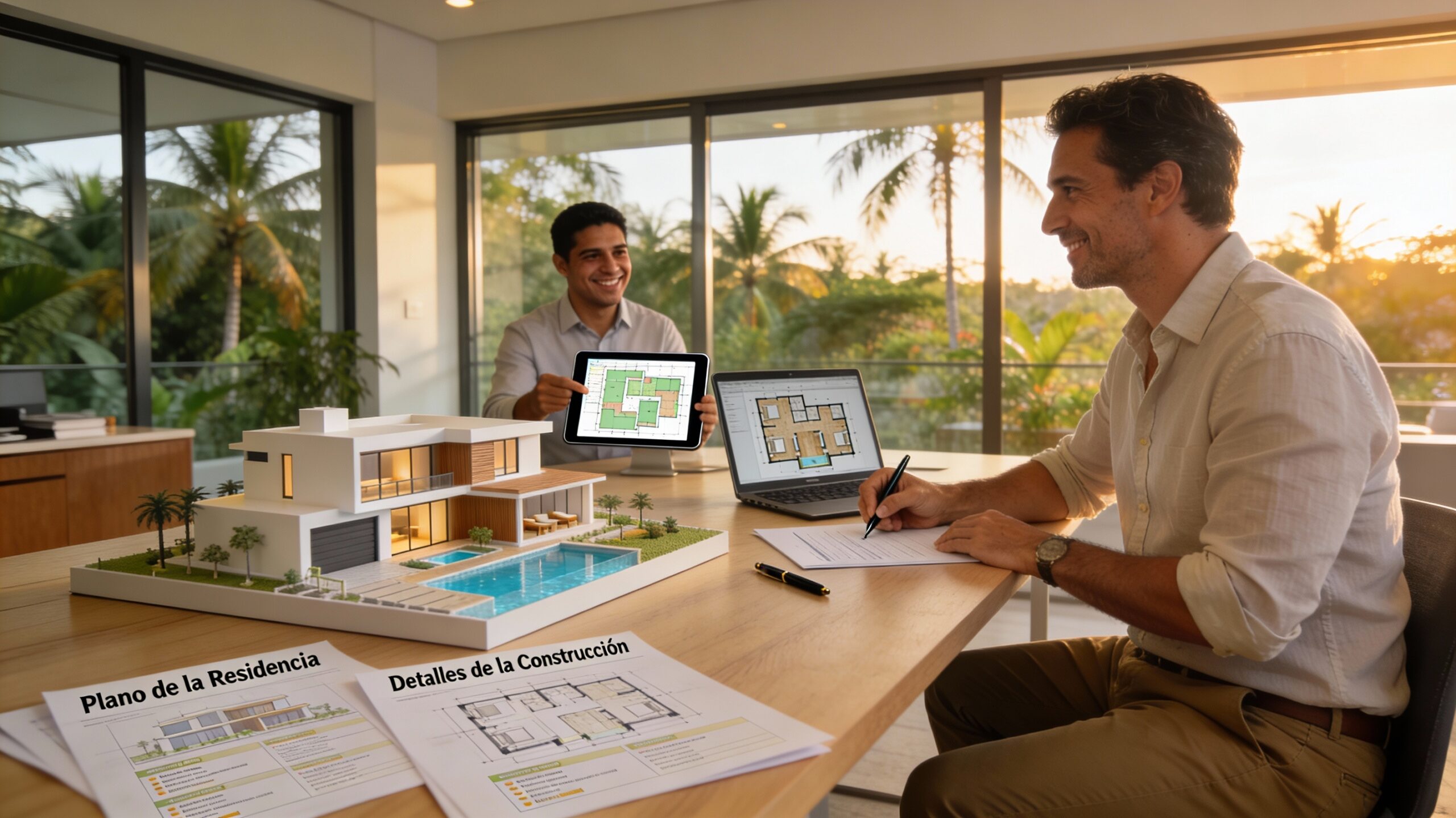
Buying off-plan — investing in a property that hasn’t been built yet — has become an increasingly popular choice among foreign buyers in Costa Rica. With lower initial prices, the chance to personalize your future home, and the appeal of owning real estate in paradise, it sounds like a no-brainer. But is it really the great deal it appears to be?
Costa Rica, with its political stability, stunning natural landscapes, and investor-friendly environment, continues to attract buyers from the United States, Canada, Europe, and Latin America. Many are drawn to the idea of purchasing a brand-new home at an early stage, often for less than market value, with the promise of equity gains by the time the keys are handed over.
Yet, the path from blueprint to reality can be more complicated than it seems. Project delays, large upfront payments, vague contractual terms, and unreliable developers are just a few of the challenges you might encounter. It’s not just about dreams of ocean views and jungle backyards — it’s about understanding the full scope of what you’re committing to.
In this article, we’ll walk you through everything you need to know before buying off-plan in Costa Rica. We’ll cover the expected timelines, penalties for delays, financial commitments, and how to vet local vs. foreign developers.
If you’re weighing your options, dreaming about your future home, or looking to make a solid investment in Costa Rica, stick with us. We’ll break it down for you clearly and honestly — like a friend who’s been through the process. The goal isn’t to scare you off, but to help you make a well-informed decision.
So, is buying off-plan in Costa Rica a smart move or a risky bet? Let’s find out together.
Why So Many Buyers Are Tempted by Off-Plan Projects
On paper, buying off-plan seems like a win-win. And honestly, for many buyers, it can be. In Costa Rica, developers often offer the most attractive prices during the pre-construction phase. Why? Because they need early buyers to help fund the start of the project. In return, you get a better deal than you’d pay for a finished home — sometimes significantly better.
Then there’s the appeal of customization. Buying before construction begins (or early in the process) often allows you to select finishes, tweak the layout, and personalize your future home. Want an open kitchen? Bigger windows? A rooftop deck? In many cases, you can have a say in the final design, especially if you’re one of the first to buy.
You’re also getting a brand-new home. That means no surprise maintenance issues, no outdated plumbing or wiring, and better materials suited to Costa Rica’s tropical climate. Think proper ventilation, hurricane-resistant windows, and mold-resistant finishes — critical features in this environment.
From an investment standpoint, the numbers can make sense. In high-demand areas like Tamarindo, Santa Teresa, Nosara, or Manuel Antonio, off-plan buyers often see property values rise significantly between the time they sign and the project’s completion. For rental income or resale, that’s a solid return.
But the key word here is “can”. These benefits aren’t guaranteed. Everything depends on the reliability of the developer, the strength of your contract, and how well the project is managed. If things go south — construction delays, budget overruns, legal issues — those early-bird savings can quickly vanish.
So yes, the dream is real: a customized, new property in paradise at a discounted price. But only if the process goes smoothly. And that means understanding exactly what you’re getting into, asking the right questions, and making sure you’re covered legally and financially.
Let’s dive into what can go wrong — and how to protect yourself.
Construction Timelines and Delays: What Should You Really Expect?
Here’s the honest truth: delays are common when buying off-plan in Costa Rica. Many developers promise 12 to 18 months for completion, and while some deliver on time, others don’t. And often, it’s not just a few weeks — we’re talking several months or even more than a year.
One major factor is the weather. Costa Rica’s rainy season (typically from May to November) can bring construction to a crawl. Heavy rains flood roads, make transporting materials difficult, and can halt work altogether. If your project is in a remote or coastal area, this becomes even more challenging.
Then there are bureaucratic delays. Permits, utility connections (like water and electricity), and municipal approvals often move at a slower pace than in North America or Europe. Some developers underestimate how long these processes take — or don’t account for them at all in the timeline they give you.
And let’s be honest: not all delays are innocent. Some developers overpromise to attract early buyers or start projects without the full financing in place. Midway through construction, they may run into cash flow issues or logistical bottlenecks. Others simply lack the experience to manage a build properly in Costa Rica’s unique conditions.
So what happens if your project is delayed? That depends entirely on your contract.
This is where you need to pay close attention. A well-drafted sales contract should include a clear delivery date — and penalties if that date isn’t met. These penalties, often called “liquidated damages” or “astreintes,” offer you compensation for each month (or week) of delay. Unfortunately, many contracts here don’t include such terms unless you negotiate them up front.
That’s why having a local attorney review your contract is critical. Don’t just rely on what the developer’s representative tells you. A good lawyer can spot vague language, push for concrete deadlines, and help you include protection clauses that hold the developer accountable.
Delays happen — but you don’t have to be powerless. With the right preparation, you can ensure that you’re not left waiting indefinitely, wondering what went wrong.
Upfront Payments: How Much Do You Need to Put Down?
One of the most important — and nerve-wracking — aspects of buying off-plan is the money you have to put down before anything is built. For many buyers, this feels like the biggest leap of faith. So let’s unpack exactly how it works in Costa Rica.
The process usually begins with a reservation deposit, typically between 10% and 20% of the total property price. This payment secures your unit and confirms your commitment to the purchase. Most often, this deposit is non-refundable unless specific contract conditions are not met.
After that, you’ll make progress payments according to a construction schedule. These might be tied to major milestones: 20% when the foundation is completed, another 20% at structural completion, 30% at the finishing stage, and the final balance on delivery. In some cases, payment schedules are monthly or quarterly instead.
Here’s where you need to be careful. You should never agree to pay the next installment without proof that the previous phase is complete. Ask for photographs, written reports, or even third-party verification by an architect or project manager. The clearer and more structured the payment schedule, the better.
Now, let’s talk about risk. What if the developer goes bankrupt or disappears? What happens to the money you’ve already paid?
This is why many buyers — especially those living abroad — choose to use an escrow account or property trust (“fideicomiso” in Spanish). In this setup, your funds are held securely by a licensed third party (often a law firm or financial institution) and only released to the developer as specific construction milestones are reached. It’s one of the best ways to reduce your financial exposure.
Working with a professional agency like Crespo Agency also helps. They only collaborate with developers who follow transparent financial practices and use trusted escrow services. Their goal is to make sure your money is protected at every step — especially if you’re buying remotely.
Bottom line: yes, buying off-plan requires upfront capital. But with clear contract terms, milestone-based payments, and secure handling of your funds, you can move forward with confidence — not fear.
Local vs. Foreign Developers: Who Should You Trust?
One of the biggest questions buyers face is: should I work with a Costa Rican developer or a foreign one? And honestly, there’s no one-size-fits-all answer. Each has its strengths — and potential pitfalls.
Local developers often have deep experience navigating Costa Rica’s construction and permitting systems. They know which municipal offices move quickly (and which don’t), who the reliable suppliers are, and how to handle the rainy season’s impact on building timelines. They may have long-standing relationships with trusted local architects, engineers, and crews.
But not all local developers are created equal. Some have excellent reputations and long track records. Others are fly-by-night operators with little to show beyond a slick brochure and a Facebook page. Always ask for references, tour completed projects, and — if possible — speak with past buyers.
Foreign developers, on the other hand, often bring a more structured, customer-focused approach. They’re more likely to provide detailed contracts, regular construction updates, and fluent communication in English or your native language. This can feel reassuring, especially if you’re buying from abroad and don’t speak Spanish.
However, foreign developers may struggle with Costa Rica’s bureaucratic quirks. Some underestimate the time and complexity involved in securing permits or building in remote areas. Others import building standards or timelines from their home country — only to be blindsided by local realities.
So what’s the best choice?
Rather than focusing solely on nationality, evaluate each developer by their track record, project transparency, financial setup, and local partnerships. A great sign is when a developer partners with a reputable agency like Crespo Agency, which vets builders thoroughly before recommending them to clients. These agencies act as an added layer of accountability and can guide you toward trustworthy professionals.
You should also ask whether the developer uses escrow accounts, whether they provide milestone payment schedules, and whether they’re open to site visits or third-party inspections.
Bottom line: don’t judge by language or passport. Judge by experience, reliability, and openness. Whether they’re local or foreign, the right developer is the one who delivers — on time, on budget, and without surprises.
Is Buying Off-Plan in Costa Rica Right for You?
Let’s be real: buying off-plan isn’t for everyone. It takes patience, vision, and a certain level of comfort with the unknown. But for the right buyer, it can be a rewarding experience — both personally and financially.
Start by asking yourself: What’s your goal? Are you planning to move to Costa Rica full-time? Looking for a vacation property? Or is this a pure investment?
If you’re after rental income or capital appreciation, buying off-plan can be a smart move. Pre-construction prices are usually below market value, and if the area grows or demand increases, your property can appreciate significantly by the time it’s delivered. That said, location is everything. Not all areas in Costa Rica are experiencing the same growth, so do your homework.
If you’re buying to live here or use the property yourself, off-plan allows you to customize your future home — which is a big plus. You can choose materials, layouts, and design elements that suit your lifestyle and climate. But you’ll also need to pay close attention to build quality, ventilation, natural light, and durability — especially in the tropics.
Now, think about how comfortable you are managing things from a distance. If you’re not in Costa Rica during construction, you’ll need someone to represent your interests — a lawyer, an agent, or a local project manager. Don’t underestimate how important this is. Without it, you’re essentially flying blind.
Also, expect the unexpected. Even with the best team, delays, price adjustments, or permit issues can happen. That’s not to say off-plan is a bad choice — just that it’s a journey. If you’re mentally prepared and legally protected, you’ll handle any bumps along the way.
In the end, off-plan can be a great choice for buyers who plan ahead, ask the right questions, and surround themselves with experts. But if you’re the type who needs instant gratification or worries at every turn, a move-in-ready home might be a better fit.
So: is it right for you? If you’re strategic, patient, and well-advised — absolutely.
Conclusion
So, is buying off-plan in Costa Rica a smart move or a risky bet?
The truth is, it can be both — depending on how you approach it. Off-plan buying offers undeniable benefits: lower entry prices, modern construction, and the ability to customize. It can be a profitable investment or the first step toward your dream life in paradise.
But it’s not a shortcut. Delays happen. Costs can shift. Developers vary widely in quality and reliability. That’s why preparation is everything.
You need a solid legal foundation, clear contracts, verified payment schedules, and trustworthy partners. Work with a reputable agency like Crespo Agency, choose your developer carefully, and insist on protections like escrow accounts or construction oversight. These steps turn a risky bet into a calculated investment.
Costa Rica is a country of opportunity, but also of details. If you respect the process, ask the right questions, and protect your interests, buying off-plan can be one of the most exciting and rewarding decisions you ever make.
Take your time. Get informed. Trust your gut — and your lawyer. With the right tools, your future home in Costa Rica can move from dream to reality.


Join The Discussion