
Introduction
Thinking about moving to Costa Rica or already made the leap? Congratulations! This country offers a unique lifestyle: breathtaking landscapes, a relaxed pace of life, year-round sunshine, and a warm, welcoming population. But there’s a less glamorous reality that often hits newcomers hard — the administrative procedures.
And here’s the truth: speaking Spanish won’t save you from the red tape. Even if you’re fluent, you’ll soon realize that language is just one piece of the puzzle. Why? Because Costa Rica’s system is completely different from what you’re used to in Europe or North America. Whether you’re applying for residency, registering a vehicle, filing taxes, or starting a business, the process is unlike anything you’ve dealt with before.
The rules can be unclear. The procedures vary by office. The timelines are unpredictable. And you might not even know when you’ve made a mistake — until it’s too late.
That’s why more and more expats, investors, retirees, and even frequent travelers are turning to local experts for help. People who know the system, understand the culture, and can help you avoid costly errors.
In this article, we’re going deep into the reality of handling paperwork in Costa Rica. We’ll talk about key processes, common mistakes, cultural barriers, and most importantly, why having someone by your side makes everything easier. If you’re looking to start this chapter on the right foot, read on — this is the guide you’ve been waiting for.
Residency Procedures: Trickier Than They Seem
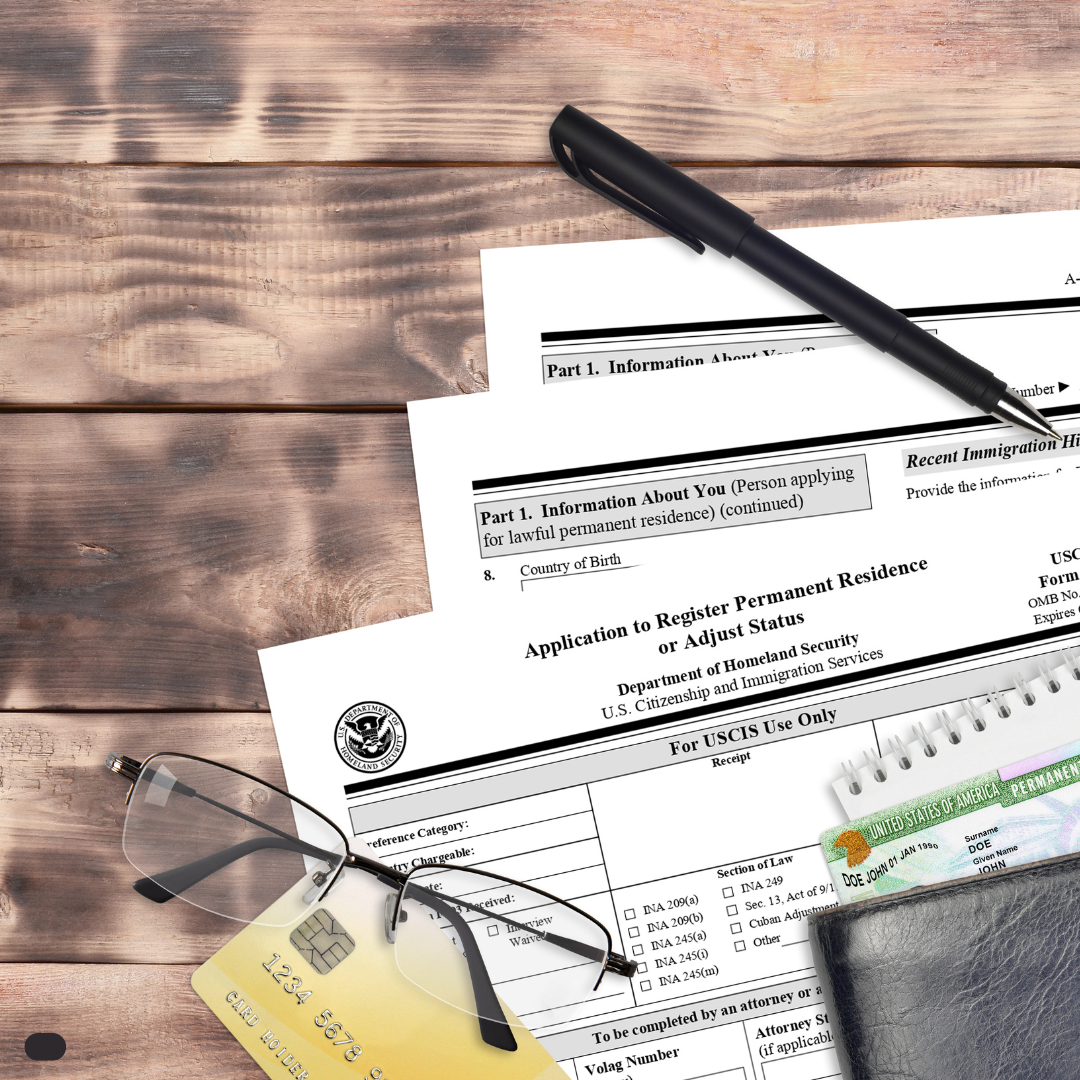
One of the first things most expats have to deal with is applying for residency. Sounds simple enough, right? Submit a few forms, wait a bit, and you’re in. Not exactly. In Costa Rica, it’s a multi-step, paper-heavy, patience-testing process that can drag on for months — or even years — if not done right.
There are several types of residency: pensionado (retiree), rentista (fixed income), inversionista (investor), and temporary residency based on work or family. Each one has its own set of requirements. For example, the investor residency requires proof of a $150,000 USD investment in property or a business. But that’s just the beginning.
The real challenge lies in preparing the documentation. You’ll need birth certificates, background checks, bank statements, and notarized letters — all apostilled in your home country and translated into Spanish by certified professionals. If one document is outdated, incorrectly formatted, or missing a signature, your application can be rejected. And no, you won’t be told until it’s too late.
Add to that the fragmented nature of the process. There’s no “one-stop shop” for residency. You’ll be bouncing between the immigration office, your lawyer, translators, banks, the national registry, and even your embassy. Appointments are often scarce, systems crash, and lines can be hours long.
That’s where a local immigration lawyer or professional guide comes in. They know the steps, the timelines, the hidden rules. They’ll prepare a solid application the first time, chase the right contacts, and keep you informed throughout the process. In many cases, they can represent you so you don’t have to stand in line for half a day just to get a stamp.
You didn’t move to Costa Rica to spend your time figuring out bureaucracy. With the right help, you can let the pros handle the headaches — and start enjoying the pura vida lifestyle.
Tax System: A Whole New World to Navigate
Taxes probably aren’t the first thing you think about when dreaming of Costa Rica, but if you’re buying property, earning income, or spending significant time in the country, you’ll need to face the tax system — and it’s not as straightforward as you might expect.
Costa Rica’s tax authority (Ministerio de Hacienda) works on a self-declaration basis. That means it’s your responsibility to register, report, and pay, even if you don’t owe anything. For example, if you own a company — even one that’s inactive — you’re required to file an annual “Transparency and Final Beneficiaries” declaration. Miss it, and you’ll face steep fines.
There are also property taxes, luxury home taxes, municipal fees, sales taxes (13% VAT), and income taxes on rentals or business operations. Even without local income, certain filings are still mandatory.
These processes are handled through digital platforms like ATV, which are only in Spanish and can be anything but user-friendly. One missed form, and you could be hit with penalties without warning — and no, there’s not much room for appeals.
You also need to know the nuances. For instance, rental income must be reported monthly. Even an inactive company needs to justify its inactivity annually. These are the kinds of things most foreigners discover only after they’ve already made a costly mistake.
That’s why working with a local accountant or tax advisor is a no-brainer. They’ll keep your books in order, help you stay compliant, and let you know exactly what you need to do (and when). A good advisor can even help you legally reduce your tax liability.
The truth is, taxes in Costa Rica aren’t impossible — they’re just different. But the consequences of getting them wrong can be serious. If you want peace of mind, bring in someone who knows the terrain.
You didn’t come here to spend your days wrestling with tax portals. Let the experts take over, and get back to enjoying paradise.
Vehicles and Driving: Avoiding Costly Roadblocks
Buying a car in Costa Rica might sound like a quick process — find the vehicle, pay the seller, drive off. Unfortunately, that’s far from reality. In fact, navigating the vehicle purchase and ownership process here is one of the biggest sources of headaches for newcomers.
Every vehicle must have its annual “marchamo” paid — a combination of road tax and mandatory insurance. It also needs to pass the “Riteve” (yearly technical inspection), and any transfer of ownership must be done by a notary public and registered with the National Registry. And yes, even something as simple as this can become a tangled mess.
The biggest trap? Buying a used car with hidden debts. Vehicles often carry outstanding traffic tickets, liens, or legal disputes — and if you buy without checking, those problems become yours. And once the sale is notarized, it’s extremely difficult to undo.
Even transferring ownership isn’t simple. You need to go through a formal notarial process, pay fees, and ensure that all previous obligations are cleared. If not, your car could be flagged or blocked from legal circulation.
And what about insurance? The public INS offers mandatory coverage, but there are also private insurers with varying degrees of protection. Choosing the right one, understanding deductibles, dealing with claims — all of it can be confusing in a foreign system.
This is where having a trusted local advisor becomes essential. A professional can help you run a vehicle history check, ensure the title is clean, guide you through the notarization process, and recommend the best insurance options. They’ll even know which garages are honest and which to avoid.
Want a real-life example? Crespo Agency has helped countless expats avoid scams and make smart vehicle purchases. Their team knows the local landscape and how to protect your interests from day one.
When it comes to cars, it’s not just about wheels — it’s about peace of mind. Make sure you’re driving safely, legally, and without hidden issues.
Cultural Differences: The Real Barrier You Didn’t Expect
So, you speak Spanish. Maybe you’ve traveled throughout Latin America, maybe you’ve got Costa Rican friends. That’s great — but when it comes to dealing with bureaucracy, language isn’t the main issue. It’s culture.
Costa Rica has its own way of doing things, especially when it comes to administration. The first big difference? Time. Appointments may run late or get rescheduled with little notice. Waiting in line for hours is common, and deadlines are… flexible. It’s not laziness — it’s a different pace of life.
Another challenge is indirect communication. People will rarely tell you “no” outright. You’ll hear “maybe,” “we’ll see,” or “come back tomorrow.” You might think everything’s moving forward, but in reality, nothing’s happening. If you don’t learn to read between the lines, you’ll waste a lot of time.
Then there’s the importance of personal relationships. A polite, well-dressed, patient person may get better treatment than someone who is assertive but seen as aggressive. While in Europe or the U.S. being direct is a virtue, in Costa Rica, it can close doors.
These cultural codes aren’t in any guidebook — but they matter. And that’s why having a local guide isn’t just about paperwork. It’s about navigating human dynamics. Someone who knows when to follow up, who to talk to, and how to ask for help without offending.
It’s not about being smart or capable. It’s about adapting. And the faster you adapt, the smoother your experience will be.
Having someone on your side who understands how things really work can save you weeks — even months — of trial and error. Whether it’s your lawyer, advisor, or agency rep, make sure you’re not doing this alone.
Because understanding Costa Rica isn’t just about knowing Spanish. It’s about reading between the lines, respecting the rhythm, and knowing when to push — and when to wait.
Make Life Easier in Costa Rica: A Smart and Worthwhile Choice
At this point, you might still be wondering: do I really need someone to help me with all this? Isn’t it just a matter of persistence and patience? Well, yes and no.
Sure, you could do everything yourself. Read the laws, study the systems, fill out the forms. But mistakes are easy to make, especially when you’re learning on the go. And the cost of those mistakes? Missed deadlines, fines, wasted time — and a whole lot of stress.
Hiring a local expert isn’t a luxury. It’s an investment. Your time is valuable. Your peace of mind is priceless. Would you rather spend days figuring out which tax form to submit — or let someone else handle it so you can relax at the beach?
There are professionals in Costa Rica who specialize in helping foreigners like you. Lawyers, accountants, notaries, real estate consultants — many of whom speak your language and understand your concerns. They know the laws, the shortcuts, and the cultural nuances. They’ve seen the mistakes, and they know how to avoid them.
A good advisor will keep you on track, protect your investments, and help you integrate smoothly into local life. Whether it’s securing your residency, filing your taxes, or buying a car, they’re your shortcut to success.
And agencies like Crespo Agency exist precisely to make this process easier. They don’t just fill out forms — they build trust, provide clarity, and offer peace of mind.
So, don’t wait until something goes wrong. Proactive support can make all the difference.
Living in Costa Rica is about enjoying life, not battling red tape. Choose the smarter path. Surround yourself with people who’ve already walked it. Your future self will thank you.
Conclusion
Living in Costa Rica can be an incredible experience — but like any major life change, it comes with challenges. The administrative side of things, from residency and taxes to vehicles and legal matters, can be far more complex than it appears at first glance.
Even if you speak the language, cultural nuances and unfamiliar systems can trip you up. Miss one detail, and you could be facing delays, fines, or unnecessary headaches.
The solution? Get the right people on your team. Working with a local expert — whether it’s a lawyer, tax advisor, or relocation agency — is one of the smartest decisions you can make. You’ll avoid common mistakes, save time, and reduce stress.
In Costa Rica, things don’t always move in a straight line. Knowing the rules is good — knowing how they’re actually applied is better. That’s where experienced professionals come in.
If you want to enjoy your new life to the fullest, don’t let paperwork get in the way. Lean on those who know the system inside and out, and let them guide you through the process. You’ll thank yourself later — and you’ll finally be free to enjoy the pura vida life you came here for.


Join The Discussion