Living in Santo Domingo, Costa Rica: charm, contradictions, and real-life considerations
Introduction
Thinking about moving to Costa Rica and stumbled upon Santo Domingo de Heredia? Great start. But before you pack your bags or fall for dreamy pictures of green hills and cozy coffee shops, it’s worth taking a step back and looking at the reality. Because let’s face it: moving abroad — and buying property — isn’t just about pretty landscapes. It’s a serious life decision that involves budget, lifestyle, and long-term vision.
Santo Domingo is located in the heart of Costa Rica’s Central Valley, just north of San José and near the city of Heredia. It’s often described as quiet, green, safe, and family-friendly. Sounds ideal, right? Well, it can be. But no place is perfect. There are real benefits here — but also real drawbacks that many glossy blogs or real estate ads don’t mention.
This article is written for you — someone considering buying a home, retiring, or starting a new life in Costa Rica. You’ll find an honest and balanced look at what living in Santo Domingo truly means:
The upsides: great climate, relative safety, laid-back lifestyle
The downsides: traffic, slow bureaucracy, rising prices
The real estate market, with its pros and pitfalls
Everyday life: infrastructure, health care, schools, social life
And most importantly: is this the right place for you?
So, grab a coffee, get comfortable, and read on. Because choosing where to live is a big deal — and you deserve more than sugarcoated promises.
Peaceful lifestyle… but not ideal for everyone
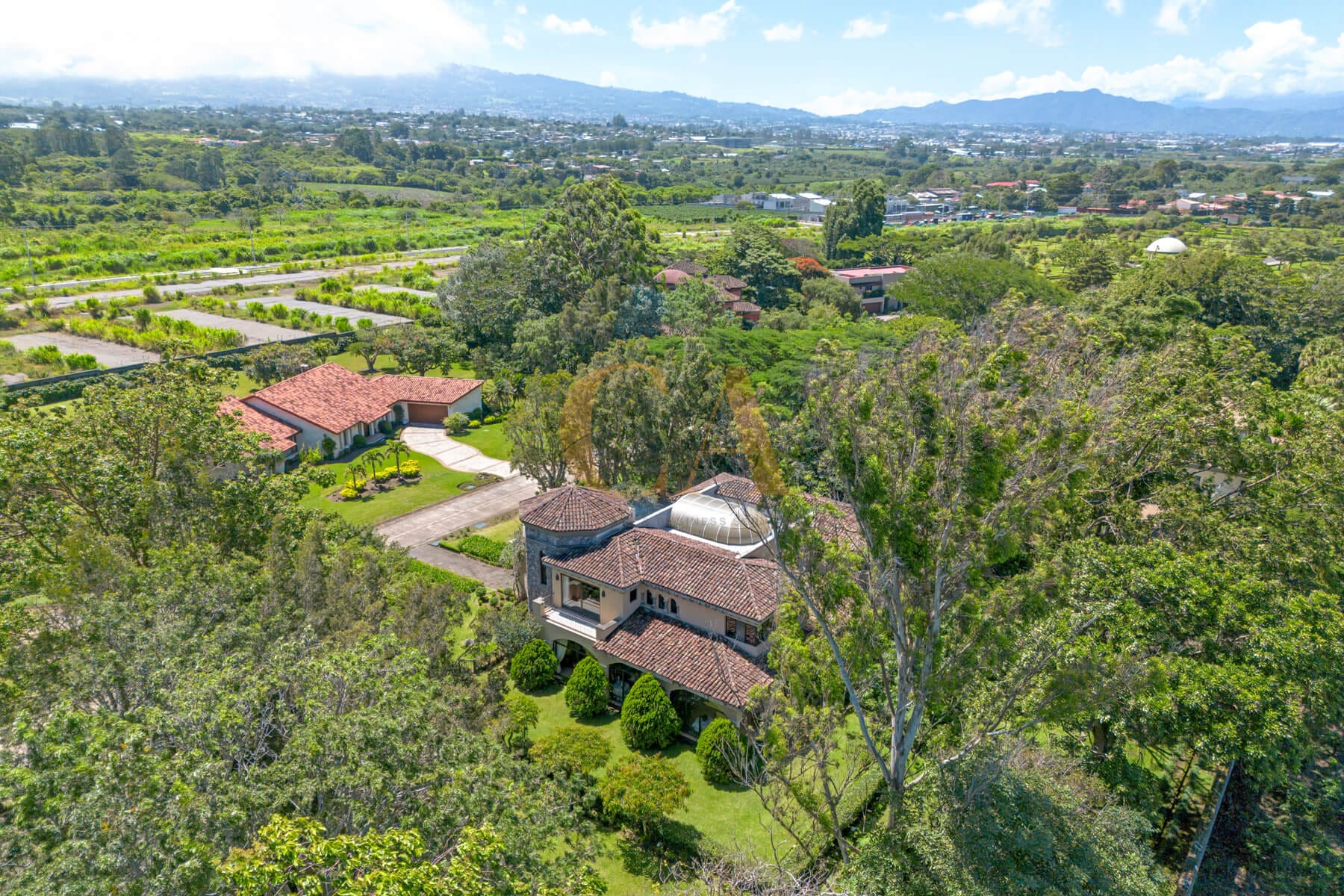
Santo Domingo offers that peaceful, village-like vibe that many people crave when thinking about Costa Rica. The climate is arguably one of its best features: not too hot, not too cold, thanks to its elevation (around 1,200 meters). You get a mild, spring-like temperature most of the year — no need for air conditioning or heating.
It’s also surrounded by nature. Tree-lined streets, mountain views, clean air — it all contributes to a laid-back lifestyle that retirees, families, and remote workers often seek. It’s one of the safest cantons in the country, and crime rates are low. Walking at night isn’t a concern in most neighborhoods, and there’s a real sense of community.
But that doesn’t mean it’s paradise for everyone.
One major issue is traffic. Santo Domingo sits between Heredia and San José — two cities increasingly affected by urban congestion. At rush hours, even short commutes can take 45 minutes or more. If you need to get into the capital for work, school runs, or appointments, this can become a serious daily frustration.
Also, the town is, let’s face it, quiet. That’s great if you’re into peace and early nights. But if you’re looking for nightlife, live music, cultural events, or a vibrant food scene — you’ll probably be disappointed. There are a few restaurants and cafes, but most close early. Anything beyond that requires a trip to Heredia or San José.
Another growing concern is urban pressure. Over the last few years, more residential projects have sprung up — some well-planned, others not so much. Roads haven’t expanded fast enough, infrastructure is strained, and local services are playing catch-up. The charm of a sleepy town is slowly being replaced by crowded intersections and rising noise levels.
To sum up: Santo Domingo offers a calm and pleasant lifestyle, but it’s not ideal for everyone. If you crave dynamic surroundings, walkable neighborhoods, and a more cosmopolitan environment, it might not meet your expectations. But if you’re seeking peace, safety, and nature — with a dose of patience — it can be just right.
Real estate in Santo Domingo: affordable — but no longer a secret
For a long time, Santo Domingo flew under the radar of international homebuyers. That’s changing quickly. Its location near San José and Heredia, plus its reputation for safety and family-friendly living, has started to attract local professionals, retirees, and expats looking for value beyond the coast.
Let’s start with the positives. Property prices in Santo Domingo are still more accessible than in hot spots like Escazú, Santa Ana, or beachfront areas. You can still find a spacious home with a yard in a quiet neighborhood for between $150,000 and $250,000. Condos with pools and security can range from $100,000 to $200,000. There’s also land available on the outskirts for those who want to build their dream home.
Sounds promising, right? It is — but with a few caveats.
Prices are rising steadily, especially in sought-after areas like Los Ángeles or Santa Rosa. In the last five years, values have gone up by 20–30% in some neighborhoods. Good deals move quickly, and inventory is tightening. Don’t expect to lowball sellers or sit on decisions for too long.
There’s also a noticeable difference in construction quality. Some newer projects prioritize speed over quality — which can result in poor finishes, moisture issues, or subpar materials. Just because something is brand-new doesn’t mean it’s well built. Always get an independent inspection before buying.
You’ll also want to factor in legal and bureaucratic complexity. Property transactions in Costa Rica require due diligence — clear titles, legal reviews, property registries. It’s not always a smooth or fast process. That’s why working with a reputable agency like Crespo Agency is key. They’ll guide you through the real steps — not just the marketing pitch.
And while Santo Domingo isn’t a speculative bubble, the resale value depends on timing and neighborhood. If you’re buying for lifestyle, that’s fine. But if you’re counting on fast capital gains, think long term.
Bottom line: Santo Domingo’s market is still attractive, but it’s no longer underpriced. You can still find value — but not blindly. Do your homework, ask questions, and don’t rush into anything without local advice.
Daily life: comforts and compromises
So what’s it really like to live day to day in Santo Domingo? The answer depends on your expectations. If you’re after a peaceful routine, access to essentials, and a slower pace of life — you’ll likely feel comfortable here. But if you’re used to fast service, wide variety, or modern conveniences everywhere, you might feel a bit constrained.
On the bright side, Santo Domingo has everything you need to get by comfortably. Large supermarkets like Automercado, banks, pharmacies, small shops, cafes, mechanics, vets — it’s all here. There are also health clinics, private practices, and labs. For routine healthcare or emergencies, you’ll find decent options nearby.
But here’s the catch: for serious or specialized medical care, you’ll need to go to Heredia or San José. That’s fine if you have a car, but it adds stress in urgent situations. Also, private care — while excellent — can be expensive without proper insurance.
The town has fiber-optic internet, which is great for remote work. Some cafes are laptop-friendly, though true coworking spaces are still rare.
When it comes to education, public schools are available, but many expat families prefer private or international options. Schools like Lincoln School or Pan American School are nearby — but expect to pay $5,000–$10,000+ per child per year.
Now for the lifestyle piece. Santo Domingo is quiet — and stays quiet. Social life can feel limited, especially if you don’t speak Spanish. Locals are friendly, but often reserved. There are expat groups, but they’re smaller than in coastal towns. You’ll need to make an effort to integrate.
Entertainment? Well, it’s basic. Local restaurants are mostly traditional “sodas,” pizza joints, or cafés. There’s no movie theater in town, no malls. For that, you’ll be heading to Heredia or the capital.
And you’ll need a car. Public transport exists, but it’s not always reliable or well-connected — especially at night. Walkability is limited, and distances between neighborhoods can be long.
In short: life here is easygoing, but not always convenient. If you’re okay with a slower rhythm and some logistical workarounds, you’ll enjoy it. But don’t expect urban efficiency or endless options.
Is Santo Domingo right for you?
After all this information, let’s get to the big question: Is Santo Domingo a good fit for you? The answer depends entirely on your lifestyle, goals, and expectations.
If you’re a retiree looking for peace, safety, good weather, and relatively low-cost living — you’ll likely be happy here. Many retirees from the U.S., Canada, and Europe have settled in the area and report high satisfaction.
If you’re a family with kids, it can also work well. The environment is safe, there’s room to grow, and international schools are close by (though pricey). Just make sure you factor in commuting times, tuition, and the cost of private healthcare.
Are you a remote worker or digital nomad? You’ll love the internet and calm atmosphere — perfect for focusing. But you might miss a social scene, coworking hubs, or a wider community of professionals. Santo Domingo is better as a long-term base than a dynamic networking hub.
Now, if you’re young, single, ambitious, and looking for an urban lifestyle or business opportunities — this probably isn’t your place. You might feel stuck or isolated. Other parts of the Central Valley or even coastal towns might be more stimulating.
One thing people often overlook is the true cost of living. While housing is affordable, imported goods, private healthcare, international schools, and fuel prices are high. You’ll need a realistic budget — especially if you’re used to North American or European standards.
And don’t forget the cultural and bureaucratic challenges. Things move slower. Government processes can be frustrating. Local habits differ. But if you come with an open mind and patience, those differences become part of the charm.
So, is Santo Domingo for you? If your profile aligns with the community here, it can be a great move — a calm, stable, and healthy lifestyle in a country that still values nature and relationships. But if you’re looking for speed, nightlife, or high-impact business connections… you might want to keep looking.
It’s not a dream — it’s a lifestyle choice, with real trade-offs.
Conclusion
Santo Domingo, Costa Rica isn’t paradise — but it’s a really good option if it fits your needs. It offers natural beauty, safety, a stable real estate market, and a slower pace of life that many people find refreshing. It’s not overrun by tourists, and it still feels like a real Costa Rican town.
But don’t ignore the trade-offs. Traffic can be a pain. Services are not always fast. The town is quiet — sometimes too quiet. And while costs are reasonable in some areas, others (like healthcare and schools) can be surprisingly high.
The key to success here is understanding what you’re signing up for. Santo Domingo is great for those seeking long-term stability, peaceful surroundings, and a modest lifestyle. It’s not for thrill-seekers or people expecting constant action.
If you decide to explore this path, make sure to visit, talk to locals, and work with reliable professionals like Crespo Agency. Their local expertise and honest guidance can help you avoid costly mistakes — and make your transition smoother.
In the end, Santo Domingo might not be perfect — but it might be perfect for you.


Join The Discussion