Introduction
Thinking about buying property in Costa Rica? If you’ve been offered a pre-construction deal, you’re not alone. More and more international buyers—from the U.S., Latin America, and Europe—are drawn to the idea of purchasing a home or investment property before it’s even built. Whether it’s for retirement, relocation, or passive rental income, pre-construction seems to promise the perfect opportunity.
But is it really that simple?
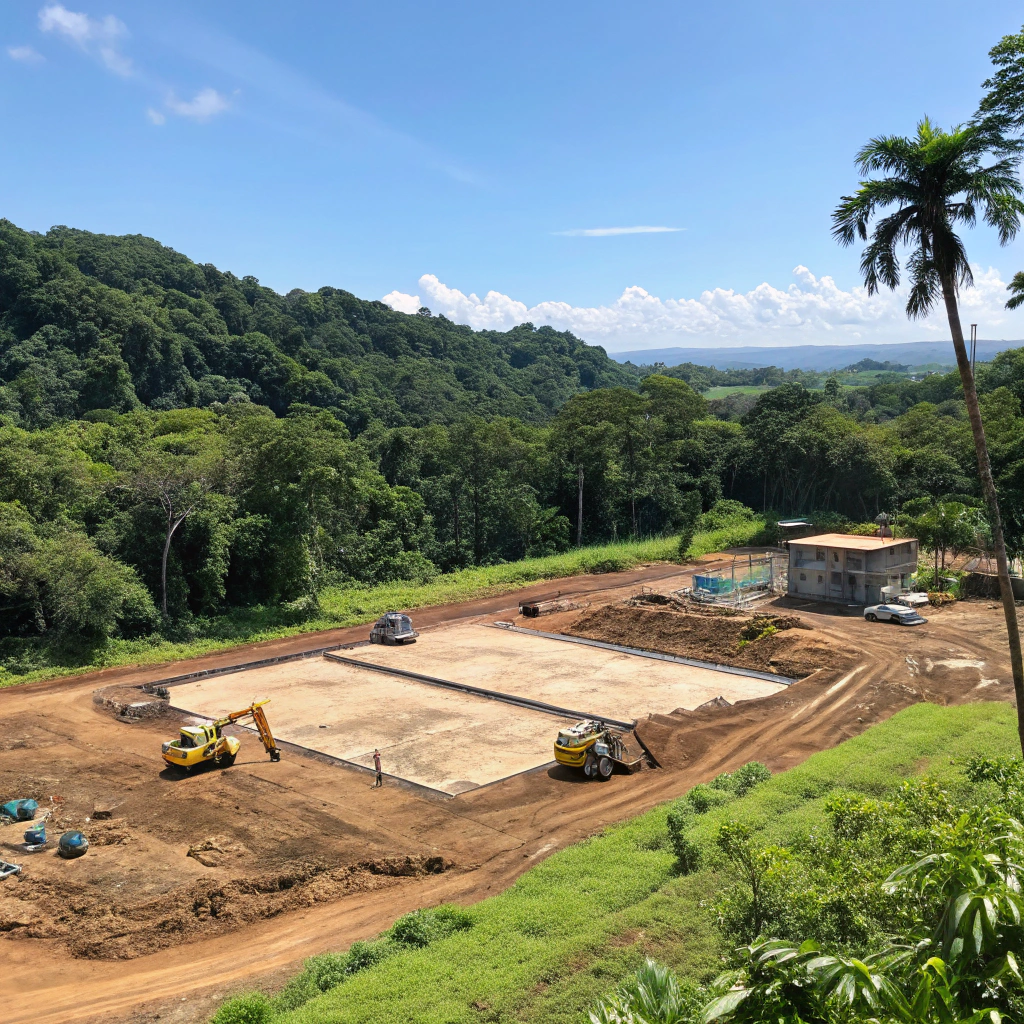
Buying in pre-construction (also known as buying “off-plan”) means you’re purchasing a property that is either still being built—or, in some cases, not yet started. While this option often comes with exciting benefits like lower prices, the chance to customize, and flexible payment terms, it also comes with real risks: construction delays, unexpected costs, legal pitfalls, and even the possibility of unfinished developments.
In a country like Costa Rica—known for its natural beauty, political stability, and fast-growing tourism—the real estate market is booming, especially in regions like Guanacaste, the Central Valley, and the Pacific coast. But that boom has also attracted developers of varying quality and experience.
If you’re considering pre-construction, this article is for you. We’ll walk you through the real advantages, the biggest risks, and—most importantly—how to protect yourself at every step of the process. Buying in a foreign country is a serious commitment, and it takes more than pretty brochures and glossy renderings to make a smart decision.
By the end of this guide, you’ll have a much clearer idea of whether pre-construction is a good fit for your goals, your budget, and your peace of mind.
Let’s dive in—and make sure your dream doesn’t turn into a nightmare.
Why Choose Pre-Construction in Costa Rica?
Let’s start with the upside: Why are so many people buying pre-construction properties in Costa Rica?
One of the biggest advantages is cost. Developers often offer attractive “early-bird” pricing to buyers who commit before construction is complete. These prices can be significantly lower than what you’d pay once the project is finished and on the open market. It’s not unusual for a property bought in early pre-sale to appreciate by 20–40% by the time it’s completed.
Another huge benefit? Customization. Since you’re buying before or during the construction phase, you often get the chance to choose finishes, layouts, and materials. Want a bigger kitchen? Prefer tile over hardwood? Need a walk-in closet? Many developers will work with you to make these changes—something you’d rarely get with an existing property.
You’re also getting a brand-new home, with modern features and compliance with the latest building codes. In Costa Rica, that includes earthquake-resistant construction, energy-efficient systems, and eco-friendly designs. You won’t need to budget for repairs or renovations anytime soon.
Then there’s the payment flexibility. Many developers allow for staggered payments during the construction phase—often linked to key milestones like foundation completion, framing, and final handover. This makes it easier to manage your cash flow or secure financing.
From a legal perspective, Costa Rica is considered investor-friendly. Foreigners have the same property rights as locals, and you can hold property in your own name or through a company. Plus, there’s no capital gains tax on your first property sale as a non-resident, and closing costs are moderate compared to many other countries.
Lastly, buying in pre-construction is often a strategic investment. In popular areas like Tamarindo, Nosara, or Escazú, demand keeps climbing. Locking in a pre-construction unit in an up-and-coming area can mean excellent appreciation over time—not to mention strong rental income potential once the property is ready.
So yes, the benefits are real. But they only matter if everything goes according to plan… and that’s where the risks come in.
Risks You Shouldn’t Ignore
Let’s be honest: buying in pre-construction isn’t for everyone. And while the rewards can be significant, the risks are equally real—especially in a foreign market.
One of the most common issues? Delays. Construction projects in Costa Rica are frequently pushed back due to weather, supply chain issues, labor shortages, permit delays, or mismanagement. That beautiful ocean-view condo you expected in 12 months? It might take 24.
Next, let’s talk about developer reliability. Not all developers are created equal. Some have long, proven track records—others, not so much. Unfortunately, it’s not unheard of for developers to cut corners, use subpar materials, or deliver a product that’s very different from the original plan. Worse, some projects have been abandoned mid-way, leaving buyers with nothing but frustration and legal headaches.
Another big risk is the lack of transparency. Contracts can be vague, especially if they’re in Spanish and you’re not fluent. Without clear documentation of timelines, materials, legal permits, and recourse clauses, you could find yourself in a dispute with few options for resolution.
Let’s not forget about legal compliance. Costa Rica has strict building and environmental regulations. If the developer hasn’t secured all the required permits (like environmental approvals or zoning permissions), the project could be halted or even canceled.
And then there’s the financial side. Some buyers make large upfront payments without proper guarantees, putting themselves at risk if the developer mismanages funds or disappears. Imagine wiring $100,000 to a foreign company and then watching the project stall or collapse. It’s a terrifying scenario—but one that has happened before.
Also, buying pre-construction requires a strong emotional tolerance. You’re placing a big bet on renderings and promises. Sometimes the finished product doesn’t match the vision you had in mind. If you’re very specific about design or functionality, this can be disappointing.
Bottom line: pre-construction can work well if you go in with your eyes open. But it’s absolutely essential to know how to protect yourself. Let’s get into that next.
How to Protect Your Investment and Avoid Mistakes
So, how do you minimize risk and make sure your pre-construction purchase in Costa Rica doesn’t turn into a costly mess?
Start with the developer. This is the foundation of everything. Research their history: How long have they been in business? What other projects have they completed? Do those projects look like what was originally promised? Ask for references and talk to past buyers. If you get vague answers or they dodge your questions, that’s a red flag.
Then, hire a qualified local attorney—someone experienced in real estate, and independent from the developer. Your lawyer should check property titles, zoning laws, permits, and make sure the purchase agreement is airtight. Never sign anything without legal review. This is your safety net.
Next: the contract. It must include detailed information about the construction timeline, materials to be used, specifications, penalties for delays, refund policies, and what happens if the project is canceled. Insist on clear language, and make sure it’s available in English if needed.
You also want to negotiate a payment schedule based on construction progress. Don’t pay everything upfront. Break the payments into phases—foundation, structure, final finishes—and tie each payment to specific completion milestones. If progress stalls, your money stays protected.
If you’re not living in Costa Rica full-time, hire a project manager or construction monitor to keep tabs on the progress. Many professionals offer regular updates, photos, and site visits, so you’re never left in the dark.
Another pro tip? Ask every question—even the ones that feel silly. What happens if materials are delayed? Who handles insurance during construction? Is there a warranty? A trustworthy developer should be transparent and responsive.
Finally, work with a reputable agency that specializes in helping international buyers navigate the Costa Rican market. One example is Crespo Agency, which offers tailored services to help you identify safe, high-quality pre-construction projects. Having a reliable local partner changes everything.
Pre-construction doesn’t have to be risky—if you do your homework and surround yourself with the right team.
Best Areas to Buy Pre-Construction in Costa Rica
Not all locations in Costa Rica offer the same opportunities. Depending on your goals—rental income, long-term living, appreciation—it’s important to pick the right region. Let’s explore the top pre-construction hotspots.
Guanacaste (North Pacific Coast) is a favorite for a reason. With golden beaches, dry tropical weather, and the international airport in Liberia, it’s a magnet for expats and tourists. Areas like Tamarindo, Playa Flamingo, Potrero, and Playas del Coco are booming with pre-construction condos, villas, and gated communities. Great for vacation rentals or resale.
If you’re looking for urban convenience, head to the Central Valley. Towns like Escazú, Santa Ana, and Curridabat are just outside San José, and offer top-tier medical care, international schools, shopping, and business hubs. Pre-construction here tends to attract long-term renters or professionals relocating from abroad.
Want something more secluded and upscale? Santa Teresa, Nosara, and Montezuma, located in the Nicoya Peninsula, are hot luxury markets. With a laid-back, bohemian vibe, these towns are especially popular with digital nomads and surfers. Be prepared for higher prices—but also strong long-term value.
The Southern Pacific Coast, especially Dominical, Uvita, and Ojochal, is still relatively undiscovered—but growing fast. With stunning jungle-meets-ocean views and eco-friendly communities, this area offers some of the best pre-construction deals for nature lovers and retirees.
For a cooler climate and lower costs, consider the Central Highlands. Towns like Atenas, Grecia, and San Ramón are popular with retirees and full-time expats who want mountain views, mild weather, and a slower pace. Pre-construction here focuses more on residential communities than tourism.
Each region has its own rhythm. Before you commit, think about your lifestyle preferences, your rental goals (if any), and how close you want to be to amenities like airports, hospitals, or the beach. Better yet—visit in person if you can.
The location you choose will have a big impact on your return and your experience. Make sure it fits you.
Is Pre-Construction Right for You?
Alright, now for the big question: Is pre-construction actually the right choice for you?
Let’s be real. Pre-construction is not for everyone. It’s ideal if you’re a long-term thinker, comfortable with delayed gratification, and you’re not in a rush to move in or make rental income right away. If you love the idea of customizing your space and locking in early pricing, you’ll probably enjoy the process.
It’s also a good fit if you have financial flexibility. This type of investment often ties up capital for 12 to 24 months (sometimes more). You need to be okay with not seeing immediate returns. Can you handle that? If yes, great.
But if you’re someone who needs instant results, or you’re anxious about timelines and uncertainty, a move-in-ready property might be a better choice. There’s less risk, less waiting, and you can start generating income immediately.
You also have to ask yourself how much risk tolerance you have. Even the best-planned pre-construction projects face hiccups. Can you stay calm and patient if things don’t go exactly as planned?
On the flip side, if you’re looking for strong appreciation, early access to desirable areas, and the chance to shape your investment from the ground up—pre-construction is hard to beat.
Either way, one thing is clear: you should never go it alone. Get help from a lawyer, a local agency, and a real estate advisor who understands the market. Ask for updates, stay engaged, and don’t rely on assumptions.
At the end of the day, buying a pre-construction property in Costa Rica is about more than real estate. It’s about lifestyle, freedom, and planning for your future.
And if you do it right? It might just be the smartest decision you’ll ever make.
Conclusion
Buying pre-construction in Costa Rica offers a unique blend of opportunity and challenge. On the one hand, you get access to better prices, modern design, customization options, and serious appreciation potential. On the other, you’re dealing with delays, paperwork, and a leap of faith in a foreign country.
The key is preparation.
Know your developer. Get legal protection. Understand the contract. Break payments into phases. Ask questions. Monitor construction progress. And above all—don’t go in blind.
Working with a trustworthy local partner like Crespo Agency can make a world of difference. With boots on the ground and deep market knowledge, a good agency helps you navigate every step of the journey—from site selection to closing and beyond.
So, is pre-construction the right move for you? If you’re informed, prepared, and have the right support—it very well could be. Just take the time to do your due diligence.
Costa Rica is full of opportunity, but success here isn’t about luck—it’s about strategy.

Join The Discussion