Post-Pandemic Real Estate: Which Trends Are Here to Stay?
Introduction
The COVID-19 pandemic shook up our lives in countless ways—and real estate was no exception. For months, uncertainty, lockdowns, and a rapid shift to remote work forced people around the globe to reevaluate what they needed from a home. Big cities lost some of their shine. People began to crave space, flexibility, and fresh air. Real estate priorities, once centered on proximity to work, quickly evolved into something deeper: a search for quality of life.
Now that the dust has (somewhat) settled, an important question remains: Which of these new real estate trends are temporary, and which are permanent?
If you’re considering buying property in Costa Rica—a country celebrated for its biodiversity, peaceful lifestyle, and stunning landscapes—understanding these shifts is crucial. The Costa Rican real estate market has felt the ripple effects of the pandemic just like the rest of the world. The difference? Costa Rica is uniquely positioned to benefit from this “new normal.”
In this article, we’ll dive into the long-lasting trends shaping post-pandemic real estate. From the rise of remote work to the surge in demand for nature-connected homes, virtual buying processes, vacation rental investments, and the growing desire for safety and stability—we’ll break it all down.
If you’re dreaming of owning a home in paradise, whether for personal use or as an investment, this guide will help you understand what’s changed, what hasn’t, and where the real opportunities lie in a world reshaped by COVID-19.
Because even though the pandemic may be fading from the headlines, its impact on how—and where—we choose to live is very much here to stay.
Remote Work and Geographic Freedom: The New Norm
Still working from home? Or maybe from a café in Bali, a cabin in the Alps, or a beachfront house in Costa Rica? You’re not alone. Remote work isn’t just a tech industry quirk anymore—it’s a global reality, and it’s completely transforming how people think about where they live.
During the pandemic, millions discovered they could work from anywhere. That freedom stuck. For Costa Rica, it’s been a game changer.
No longer are foreign buyers fixated on being near business centers like San José or Escazú. Instead, they’re looking toward the coast—places like Tamarindo, Santa Teresa, and Dominical—where they can surf in the morning, work mid-day, and hike at sunset. Remote work has freed people from the daily commute and given them permission to prioritize lifestyle over location.
This shift has also redefined what people want in a home. Buyers are now looking for properties with office space, strong Wi-Fi, and plenty of natural light. They want a setting that inspires productivity and relaxation. If you’re house-hunting in Costa Rica, that means targeting homes that support this new hybrid lifestyle.
And it’s not just about individuals. Entire families are relocating, encouraged by Costa Rica’s great international schools and outdoor living. Parents working remotely now want their kids growing up near the ocean, not stuck in traffic.
Another interesting side effect? Previously overlooked towns and regions are booming. Places that once felt too “remote” are now exactly what buyers are looking for—peace, space, and community.
So, if you’re thinking about relocating or investing in Costa Rica, ask yourself: Can this property support my lifestyle? Can I live and work here comfortably, long-term? If the answer is yes, then you’re not just following a trend—you’re stepping into a new era of living.
Craving Nature: Outdoor Living as a Core Priority
Do you remember the first time you stepped outside after weeks in lockdown? That deep breath, the feeling of sun on your face, the sound of birds instead of sirens? The pandemic reminded us all just how much nature matters.
And that shift isn’t going anywhere.
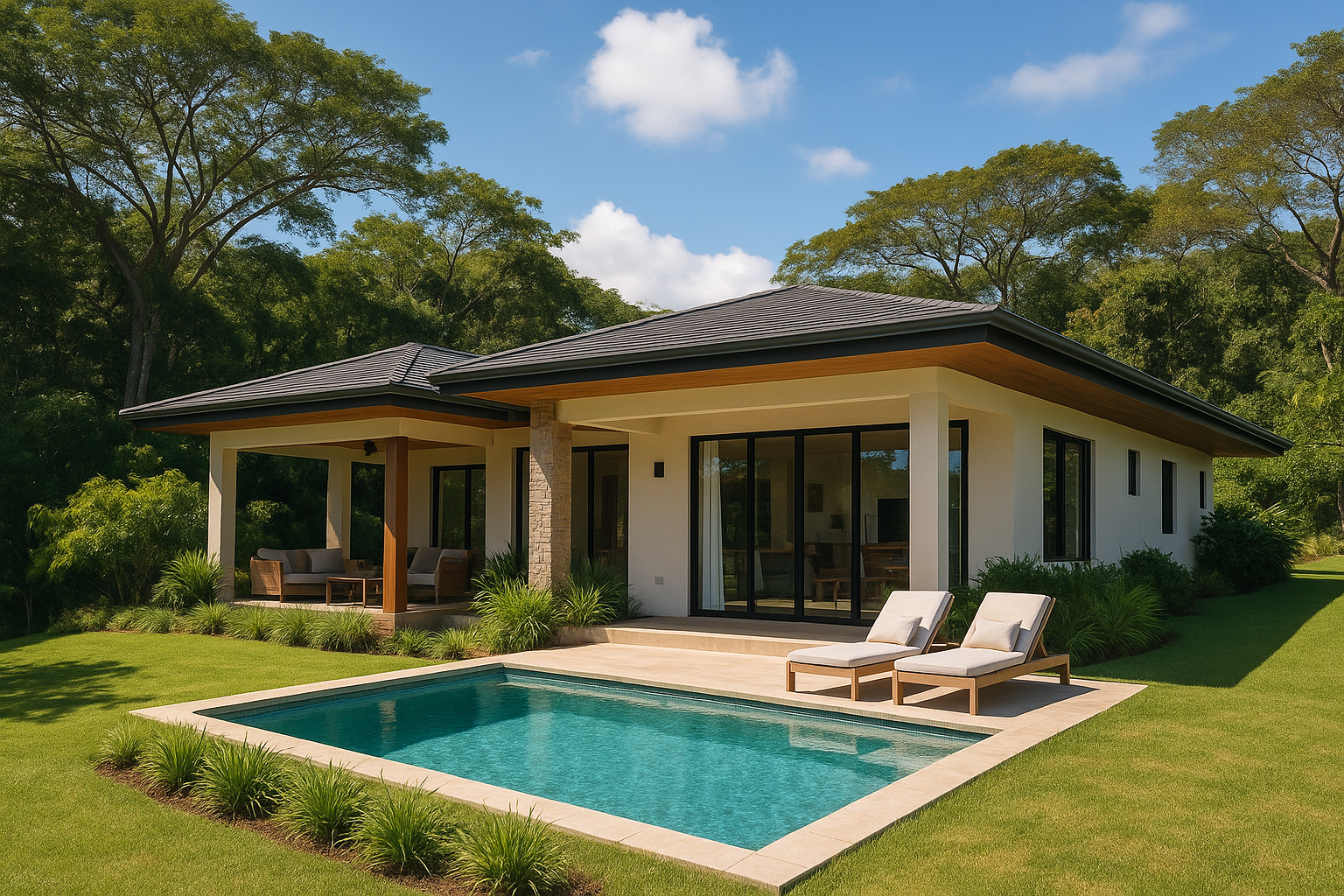
Today’s homebuyers are prioritizing outdoor space like never before. Think gardens, terraces, decks, balconies, private pools, and even land for growing food. At the top of their wish lists? Views of the ocean or the jungle. Places that offer beauty, peace, and space to breathe.
Costa Rica, with its lush landscapes and eco-conscious culture, has become a dream destination for this new wave of buyers. People aren’t just looking for a house—they’re looking for a healthier way of life.
That’s why rural and semi-rural areas are booming. Towns like Atenas, Ojochal, and Grecia—once considered “too quiet”—are now hotspots. Buyers are saying goodbye to concrete jungles and hello to morning coffee with toucans.
The demand for sustainable homes has also skyrocketed. Eco-villages, solar panels, rainwater systems, and homes built with natural materials are no longer niche—they’re mainstream. Developers are responding with green, community-focused projects that blend modern living with natural beauty.
Of course, one common concern is whether living away from the city means sacrificing convenience or healthcare. Fortunately, Costa Rica has invested heavily in infrastructure in rural areas. Fiber-optic internet, quality private clinics, organic markets, and bilingual schools are increasingly available outside of urban centers.
This trend toward nature isn’t just about lifestyle—it’s about resilience. People want homes that help them feel prepared, grounded, and self-sufficient, no matter what the world throws at them next.
So, if you’ve been dreaming of palm trees and birdsong, now’s the time to act. Outdoor living is no longer a luxury—it’s a necessity in the post-pandemic world.
Buying Sight-Unseen: Digital Real Estate Becomes the Standard
Does buying a home without visiting sound crazy? Before 2020, maybe. But now, it’s commonplace—and remarkably smooth.
During the pandemic, the real estate world went digital fast. Virtual tours, live video walkthroughs, drone footage, and e-signatures became the norm. And the truth is, they work.
Today, many international buyers purchase properties in Costa Rica entirely remotely, especially in the early stages. It’s not about skipping the due diligence—it’s about doing it smarter and more efficiently.
Some agencies are doing this better than others. For example, Crespo Agency specializes in helping remote buyers. They offer high-definition video tours, honest property assessments, detailed neighborhood breakdowns, and even help coordinate inspections and renovations. It’s all about trust—and they’ve built it by providing hands-on, client-first service, even from afar.
Buying remotely also means you can make faster decisions. You no longer need to fly down just to see if a property is worth considering. You can narrow your options, ask the right questions, and only travel when you’re serious.
On top of that, digital tools allow you to research everything: property history, rental potential, neighborhood trends, and even legal status. There’s more transparency now than ever before.
Of course, it’s still smart to make a physical visit before closing—but that visit can now be focused and informed, saving you time and money.
The rise of remote buying has lowered the barrier to international investment. Whether you’re in New York, Berlin, or Buenos Aires, Costa Rica’s real estate market is now just a few clicks away.
Don’t let distance deter you. In today’s real estate world, being thousands of miles away doesn’t mean being out of touch.
Vacation Rentals and Investment Properties Surge
Wondering if Costa Rica is still a good place to invest? Absolutely—especially if you’re eyeing the booming vacation rental market.
As international travel roars back to life, Costa Rica has seen a major influx of tourists and digital nomads alike. But they’re not looking for hotels. They want homes with character: beach houses, jungle villas, stylish apartments with a view. They want privacy, flexibility, and authenticity.
That shift has created massive opportunity for property owners.
Short- and mid-term rentals via platforms like Airbnb or Vrbo are in high demand. In hotspots like Manuel Antonio, Playa Hermosa, and Puerto Viejo, well-managed rentals can yield impressive returns—especially if they’re well-designed, professionally photographed, and marketed with care.
But here’s the secret: success comes from strategy.
It’s not just about location. Today’s travelers want fast Wi-Fi, smart locks, eco-friendly touches, local recommendations, and stylish spaces. Hiring a local property manager to handle bookings, maintenance, and guest services is essential. Many investors work with experienced agencies to optimize occupancy and revenue year-round.
Another tip? Don’t forget about the “shoulder season.” With so many remote workers now traveling off-peak, you can attract renters all year—not just during traditional holidays.
Costa Rica is also investor-friendly. Foreigners can buy property with the same rights as locals, and while short-term rental regulations exist, they’re straightforward and manageable with proper guidance.
Financially, the numbers make sense. Many investors recover their initial cost within 7–10 years while enjoying personal use of the property part of the year.
If you’re looking for a mix of personal retreat and income stream, vacation rentals offer the best of both worlds. The demand is real, and if you play it smart, the rewards can be long-term and substantial.
Safety, Health, and Stability: Top Buyer Concerns
Let’s be honest—buying abroad can feel risky. Especially post-pandemic, when we’ve all seen how fast the world can change. That’s why more and more buyers are putting safety, healthcare, and stability at the top of their checklists.
Costa Rica ticks all three boxes.
The country is known for its long-standing democracy, peaceful society, and excellent healthcare system. It abolished its army in 1948, focuses heavily on education and social services, and ranks as one of the safest countries in Latin America.
For health-conscious buyers, Costa Rica offers high-quality public and private medical care. You can join the national health system (Caja) as a resident, or access affordable private clinics with short wait times. Medical tourism is on the rise for a reason—it’s reliable and cost-effective.
Concerned about crime? While every country has its issues, most of Costa Rica’s popular areas are very safe, especially coastal towns and expat communities. Choosing the right neighborhood—and working with trusted locals—goes a long way toward peace of mind.
Stability is another huge plus. While some nearby countries have struggled with political unrest, Costa Rica has remained consistently secure. Foreign ownership is protected, property rights are clear, and the legal process is well-established.
And don’t overlook the social aspect. Costa Rica has a welcoming international community, with people from North America, Europe, and Latin America creating dynamic, diverse towns. You’ll find international schools, cultural events, and plenty of expat resources to help you settle in.
So if you’re wondering, “Will I feel safe here? Will my family be okay? Is this a smart, stable place to invest?”—the answer, in Costa Rica, is a resounding yes.
Conclusion
The pandemic shifted our values. It made us question where and how we want to live. And in the world of real estate, that shift is now driving long-term change.
From the rise of remote work and digital property tours to the growing demand for nature, space, and sustainability—post-pandemic trends aren’t fading, they’re becoming the new foundation.
Costa Rica is one of the few places that offers all the ingredients modern buyers are looking for: freedom, stability, lifestyle, and investment potential. Whether you want to live full-time in paradise, invest in a profitable vacation rental, or simply have a peaceful escape from the noise of the world—this is the moment to act.
And remember: buying a property here isn’t just about the square footage or view. It’s about buying into a way of life. The kind that puts your well-being, health, and peace of mind first.
As you plan your next steps, surround yourself with the right team, do your research, and trust your gut. Because in this new real estate landscape, clarity, confidence, and community matter more than ever.
Costa Rica is ready. Are you?


Join The Discussion